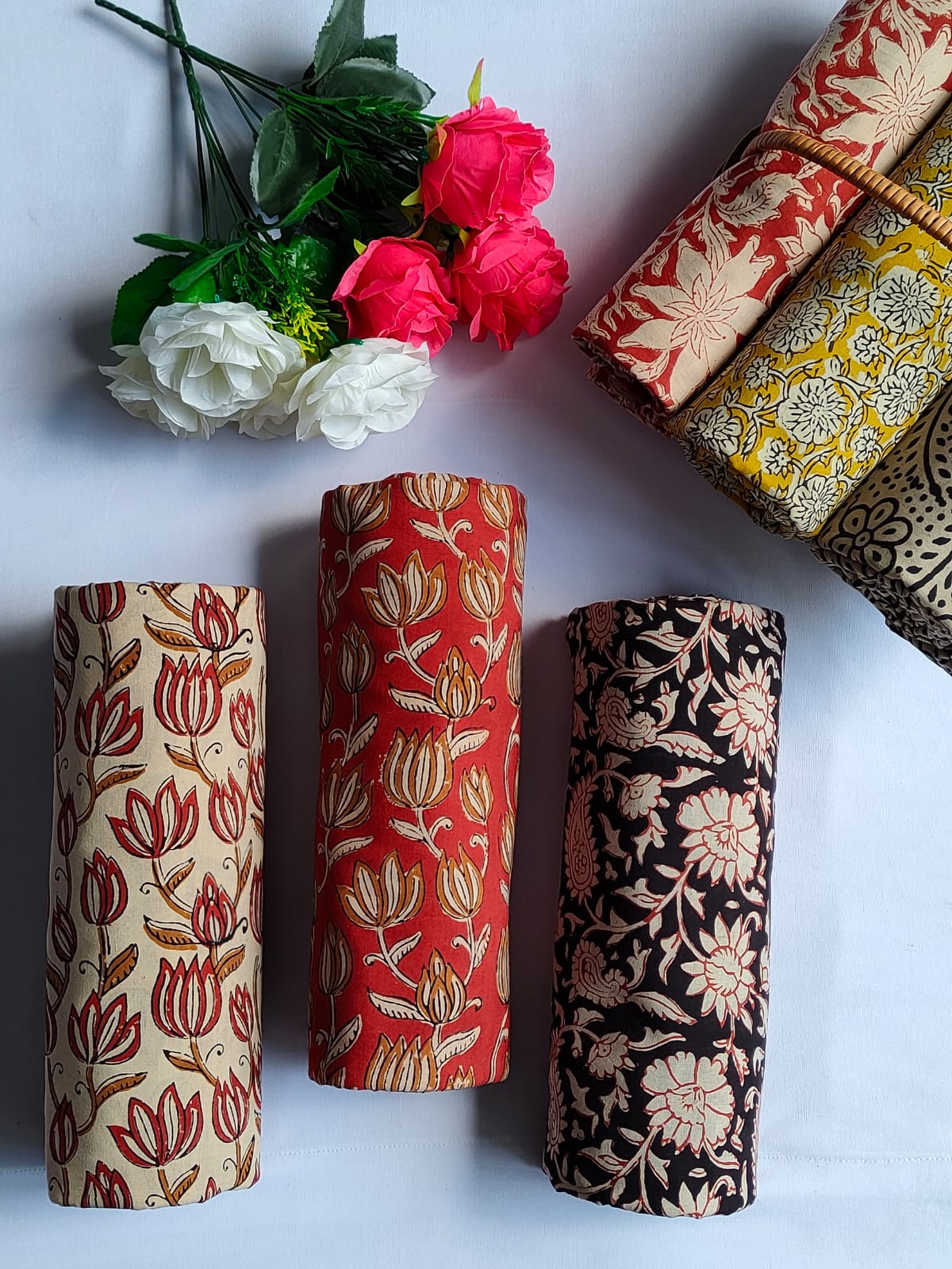


Yes, you can find durable thin cotton fabrics suitable for everyday wear. The key is to choose a fabric that balances lightweight comfort with good yarn quality, a suitable weave, and reliable finishing. Thin cotton does not automatically mean weak cotton. A well-made lightweight fabric can be comfortable, practical, and long-lasting when it is used for the right garments and cared for properly.
Thin cotton fabrics are popular for everyday clothing because they can feel comfortable against the skin and are available in many colours, prints, and textures. They are commonly used for summer shirts, kurtas, dresses, tunics, children's clothing, and relaxed everyday outfits. Depending on their construction, some varieties can also work well for scarves, linings, and other lightweight textile projects.
However, not every thin cotton fabric offers the same level of durability. Some are designed to be extremely lightweight and delicate, while others use stronger yarns and a closer weave to provide better resistance to regular wear. Understanding these differences can help you avoid choosing a fabric that feels good initially but wears out too quickly.
In this guide, we will explain how to identify durable thin cotton fabrics, which varieties are worth considering for everyday clothing, what to check before buying, and how to maintain lightweight cotton garments so they last longer.
What Is Thin Cotton Fabric?
Thin cotton fabric is a lightweight textile made from cotton fibres. It generally has a lower fabric weight than medium-weight or heavyweight cotton, although the exact weight varies by fabric type and construction.
Thin cotton can be woven or knitted. Woven varieties are commonly used for shirts, dresses, kurtas, and tunics, while lightweight cotton jersey is often used for T-shirts and casual tops.
The term "thin cotton" describes the fabric's weight or thickness rather than its quality. A lightweight cotton fabric can be strong and well constructed, while another fabric of similar thickness may be more delicate.
Several factors determine how a thin cotton fabric performs:
-
Yarn quality: Strong, evenly spun yarns can contribute to a more durable fabric.
-
Weave or knit: Fabric construction influences flexibility, airflow, and resistance to wear.
-
Fabric density: The arrangement and closeness of the yarns affect strength and opacity.
-
Finishing: Certain treatments can change the fabric's feel, appearance, and performance.
-
Intended use: A fabric suitable for a lightweight blouse may not be suitable for trousers or a frequently used tote bag.
If you want to understand how fabric thickness influences comfort, read Jaipur Bazar's guide on how the thickness of cotton fabric affects its breathability.
1. Can Thin Cotton Fabric Be Durable?
Yes. Thin cotton fabric can be durable when it is made with suitable yarns, a well-constructed weave or knit, and appropriate finishing.
Durability does not depend on thickness alone. A fabric's ability to withstand regular wear also depends on how its yarns are made, how closely they are arranged, and how the material is used.
For example, a lightweight cotton shirt fabric with consistent yarns and a balanced weave may perform well during everyday wear. A very loosely constructed, delicate cotton fabric may be better suited to occasional clothing or layered garments.
What makes thin cotton durable?
Consistent yarn quality: Even yarns with suitable strength can help the fabric resist premature wear.
Appropriate weave density: A balanced weave can provide a useful combination of flexibility, airflow, and stability.
Good finishing: Proper processing can influence the fabric's surface, dimensional stability, and appearance.
Suitable garment construction: Reinforced seams, well-finished edges, and appropriate stitching help clothing withstand regular use.
Correct care: Gentle washing and suitable drying methods can help reduce unnecessary damage.
When buying thin cotton for everyday clothing, do not judge quality by thickness alone. Examine the fabric's construction and consider whether it is suitable for the garment you plan to make.
For additional guidance, read how to identify high-quality woven cotton fabric.
2. Best Thin Cotton Fabrics for Everyday Wear
Several types of lightweight cotton may be suitable for everyday clothing. The best choice depends on the garment, the amount of coverage required, and how frequently it will be worn and washed.
Here are some options worth considering.
Cotton cambric
Cotton cambric is generally a smooth, closely woven cotton fabric. Depending on its weight and finishing, it can provide a useful balance between a lightweight feel and a relatively stable construction.
It is commonly considered for shirts, kurtas, tunics, dresses, and other everyday garments that benefit from a smooth surface.
Cambric can be a practical choice when you want lightweight cotton that is not excessively delicate. However, quality varies between products, so check the actual fabric weight, weave, and specifications before buying.
Explore cotton cambric fabrics at Jaipur Bazar to compare available styles.
Lightweight plain cotton
Plain cotton is available in a wide range of weights and constructions. Lightweight varieties can be used for casual shirts, everyday kurtas, dresses, and simple sewing projects.
One advantage of plain cotton is its versatility. It is available in different textures and colours, making it suitable for both basic garments and more detailed designs.
If durability is a priority, inspect the fabric for consistent yarn spacing and a reasonably even surface. A lightweight plain cotton with a suitable construction may be more appropriate for frequent wear than an extremely delicate fabric.
Browse plain cotton fabrics to explore options for everyday clothing.
Cotton poplin
Cotton poplin is typically a smooth, closely woven fabric with a relatively firm hand feel. Lightweight poplin can be suitable for shirts, dresses, tunics, and other garments that need a more defined shape.
Its construction can make it a useful option when you want a lightweight fabric with structure. However, poplin is not always thin, so check the actual product details rather than relying only on the fabric name.
If you want to understand its properties in more detail, read how to identify high-quality cotton poplin fabric.
Mulmul cotton
Mulmul cotton is generally associated with a soft, lightweight feel. It is often chosen for airy garments, scarves, and other applications where a light drape is desirable.
However, some mulmul fabrics are very delicate or semi-sheer. Their suitability for everyday clothing depends on the particular construction, opacity, and intended use.
If you choose mulmul for a frequently worn garment, examine its weave and consider whether it needs lining or careful handling.
Explore mulmul cotton fabrics for lightweight options.
Lightweight printed cotton
Printed cotton fabrics are available in many different constructions, including lightweight options suitable for dresses, kurtas, shirts, and tunics.
Their durability depends on the underlying fabric as well as the printing and finishing processes. A printed design does not automatically make a fabric more or less durable.
When shopping for printed cotton, check the base fabric, print quality, care instructions, and suitability for repeated washing.
You can browse printed cotton fabrics at Jaipur Bazar for patterned options.
3. Thin Cotton vs Thick Cotton: Which Is Better for Everyday Clothing?
Thin and thick cotton fabrics serve different purposes. Neither is automatically better in every situation.
Thin cotton is often chosen for lightweight clothing, warm-weather garments, and designs that need a softer or more flexible drape. Thick cotton may be preferable for garments that need greater structure or are exposed to more friction.
The right option depends on the type of clothing you want to make.
| Feature | Thin cotton | Thick cotton |
|---|---|---|
| Weight | Generally lightweight | Generally heavier |
| Airflow | May allow more airflow, depending on construction | Can allow less airflow when densely constructed |
| Drape | Often softer or more flexible | Often more structured |
| Coverage | Some varieties may be semi-sheer | Often provides greater coverage |
| Everyday uses | Shirts, kurtas, dresses, tunics | Structured shirts, trousers, jackets, selected utility garments |
| Durability | Depends on yarns, construction, and use | Also depends on yarns, construction, and use |
| Maintenance | May need gentle handling if delicate | Depends on fabric type and finishing |
A thin fabric with a well-made construction can last longer than a thicker fabric with weak yarns or poor finishing. Therefore, compare actual quality rather than assuming that heavier fabric is always stronger.
For more detail, read the differences between lightweight and heavy cotton fabrics.
4. How to Check the Quality of Thin Cotton Fabric
When buying thin cotton for everyday wear, it is important to inspect more than the fabric's appearance. A material may look attractive in photographs but have a construction that is not suitable for frequent washing or regular use.
If possible, examine a physical sample before purchasing a larger quantity.
Check the weave or knit
For woven cotton, look for consistent yarn spacing and an even surface. Excessively irregular areas, obvious gaps, or weak-looking sections may indicate a problem, depending on the fabric type.
For knitted cotton, check whether the loops are reasonably consistent and whether there are loose areas that could distort during wear.
A slightly open weave is not automatically poor quality, because some lightweight fabrics are intentionally constructed this way. The important question is whether the fabric's construction suits its intended use.
Examine the surface
Look for visible defects such as holes, pulled yarns, uneven patches, or excessive loose threads. Minor variations may occur in some fabrics, particularly those made using traditional processes, but obvious defects should be assessed before buying.
Check the fabric's recovery and stability
Gently handle the fabric to understand how it bends and falls. If it is intended for a garment that needs to hold its shape, consider whether the fabric feels stable enough for that purpose.
Avoid stretching or pulling samples aggressively. The goal is to assess the material without damaging it.
Review the finishing
Finishing can affect the smoothness, softness, appearance, and behaviour of cotton fabric. Ask the supplier whether the material has been preshrunk or whether shrinkage information is available if precise garment measurements matter.
Consider the intended use
A fabric suitable for a loose summer kurta may not be ideal for fitted trousers or a garment exposed to repeated abrasion. Choose the material based on the stresses it will experience.
For a broader quality checklist, read how to identify high-quality cotton fabric.
5. Why Yarn Quality Matters More Than Thickness Alone
Yarn quality is an important factor in the durability of thin cotton fabric. Cotton fibres are spun into yarns before the fabric is woven or knitted, and the characteristics of those yarns influence the final textile.
A fabric can be lightweight while still using yarns that are suitable for its intended purpose. Conversely, a thicker fabric may not perform well if its yarns are weak or its construction is inconsistent.
What should you know about cotton yarn?
Yarn consistency: Even yarns help create a more uniform fabric surface.
Yarn strength: The ability of yarns to withstand tension and friction contributes to fabric performance.
Yarn thickness: Thicker yarns can contribute to a heavier fabric, but yarn thickness alone does not guarantee durability.
Fabric construction: The way yarns are arranged also affects the finished material's strength, flexibility, and airflow.
Processing: Spinning, weaving, dyeing, and finishing can all influence the final fabric.
When purchasing thin cotton, look for a product with a clear specification and a consistent construction. If you are buying for garment production, ask the supplier about fabric weight, composition, width, and available quality information.
6. Is Thin Cotton Good for Everyday Summer Clothing?
Thin cotton can be a good option for summer clothing when its construction provides the comfort, coverage, and durability you need.
Lightweight cotton garments are often preferred during warm weather because they may allow air to circulate and can absorb moisture. Loose-fitting designs can also help improve comfort.
However, thin cotton is not automatically suitable for every summer garment. Some varieties are semi-sheer, and very delicate fabrics may need extra care if they are worn and washed frequently.
Everyday garments that can use thin cotton
-
Casual shirts
-
Summer kurtas
-
Lightweight dresses
-
Loose tunics
-
Children's clothing
-
Casual tops
-
Lightweight scarves and overlays
The most suitable fabric depends on the garment's design. For example, a lightweight cotton may work well for a loose summer top but may need lining if used for a dress that requires more coverage.
When selecting fabric for warm weather, consider both breathability and durability. A fabric that feels cool but wears out quickly may not be the best choice for everyday use.
For more options, read the best lightweight cotton fabrics for summer clothing.
7. Can Thin Cotton Withstand Frequent Washing?
Some thin cotton fabrics can withstand regular washing, but the result depends on the material's construction, finishing, dye, and care routine.
A well-made lightweight cotton garment may perform well when washed according to its instructions. A very fine or loosely constructed cotton fabric may need gentler treatment to reduce wear and distortion.
Frequent washing can affect cotton clothing in several ways:
-
The fabric may shrink if it has not been preshrunk.
-
Colours may fade depending on the dye and washing conditions.
-
Friction can gradually wear down the surface.
-
Weak seams may open or become distorted.
-
Excessive heat can affect the garment's dimensions or finish.
These issues are not exclusive to thin cotton, but delicate lightweight fabrics may be more sensitive to rough handling.
How can you reduce wear during washing?
Follow the care label: Use the recommended washing temperature and method.
Avoid excessive friction: Choose a suitable wash cycle and avoid overloading the machine.
Use an appropriate detergent: Harsh washing conditions can affect some dyes and finishes.
Separate colours when necessary: This helps reduce the risk of colour transfer.
Dry carefully: Avoid excessive heat when the fabric is prone to shrinking.
Handle delicate garments gently: Lightweight cotton may benefit from a gentler cycle or hand washing if the care instructions recommend it.
For more advice, read the best ways to care for and wash woven cotton fabrics.
8. Does Thin Cotton Shrink More Easily?
Thin cotton can shrink during washing, but thickness alone does not determine how much shrinkage will occur.
Shrinkage depends on the yarns, fabric construction, finishing, and washing conditions. Some lightweight cotton fabrics may shrink noticeably if they have not been preshrunk, while other fabrics may be processed to improve dimensional stability.
The most useful approach is to check the supplier's information and test a sample when the final garment dimensions matter.
How to manage shrinkage before sewing
-
Measure the fabric sample before washing.
-
Wash and dry it using the method you plan to use for the finished garment.
-
Measure it again after drying.
-
Compare the dimensions to understand the change.
-
Prewash the full fabric before cutting if appropriate for the project.
For commercial garment production, ask the supplier whether the fabric has been preshrunk and whether shrinkage data is available.
Do not assume that a fabric labelled 100% cotton will have a particular shrinkage percentage. Without product-specific information or testing, an exact figure cannot be reliably predicted.
9. What Is the Best Thin Cotton for Shirts, Kurtas, and Dresses?
The best fabric depends on the garment's design, required coverage, and how frequently it will be worn.
For everyday shirts
Lightweight cotton poplin or cotton cambric may be worth considering when you want a relatively smooth surface and a more structured appearance. Check the fabric weight and weave to ensure it is not too thin for the shirt design.
For everyday kurtas
Plain cotton, cotton cambric, and suitable printed cotton fabrics can work well for kurtas. The choice depends on whether you prefer a crisp or soft drape and how much coverage the garment needs.
For summer dresses
Lightweight cotton can provide a soft drape and may feel comfortable in warm weather. However, some thin fabrics are semi-sheer, so you may need a lining or an appropriate underlayer.
For casual tunics
Cotton cambric and lightweight plain cotton are worth considering because they are available in constructions suitable for a range of tunic styles.
For children's clothing
Soft cotton fabrics may be suitable for everyday children's clothing, but check the fabric quality, seams, finishing, and care requirements. Garments should be designed for comfortable movement and regular laundering.
If you are buying fabric for a specific project, compare the fabric's construction and product details instead of choosing solely by the fabric name.
10. Plain Cotton or Printed Cotton: Which Is Better for Everyday Wear?
Both plain cotton and printed cotton can be suitable for everyday clothing. The difference is mainly in appearance and the printing or dyeing process, although the base fabric construction also matters.
Plain cotton offers a simple, versatile look. It can be used for shirts, kurtas, dresses, and clothing that needs to coordinate easily with other wardrobe pieces.
Printed cotton provides more decorative options, including floral patterns, geometric designs, and traditional Indian prints.
When should you choose plain cotton?
Plain cotton may be a good choice if you prefer simple clothing, want a fabric that is easy to coordinate, or need a material for basic sewing projects.
Explore plain cotton fabrics at Jaipur Bazar for a range of options.
When should you choose printed cotton?
Printed cotton can be useful when you want patterned clothing without adding embroidery or other decorative elements. The quality of the base fabric and print should both be considered.
If you prefer traditional designs, you can explore hand block print cotton fabrics, Bagru print cotton fabrics, and Dabu cotton fabrics.
For frequent wear, check the fabric's care instructions and ask about colourfastness if that information is important to your project.
11. How to Identify Thin Cotton That Is Not Too Delicate
A very lightweight cotton fabric may feel attractive in the shop but prove unsuitable for garments that need frequent washing or regular use.
You can reduce this risk by checking a few characteristics before buying.
Inspect the yarn arrangement: Look for a consistent construction that suits the intended use.
Check for obvious weak areas: Holes, pulled yarns, and uneven sections may affect performance.
Consider opacity: If the fabric is very sheer, determine whether lining will be necessary.
Ask about fabric weight: Weight information can help you compare similar products, although it does not independently establish durability.
Review the intended use: A fabric designed for scarves or delicate overlays may not be suitable for everyday shirts.
Ask about shrinkage and care: Supplier information can help you understand how the fabric should be handled.
Request a sample: If you are purchasing a large quantity, a sample allows you to examine the texture and construction before committing to the order.
A good fabric choice is one that balances the lightweight feel you want with the performance needed for your garment.
12. Is Thin Cotton More Affordable?
Thin cotton fabrics are available at different price points, but being lightweight does not automatically make a fabric inexpensive.
Price depends on fibre quality, yarn construction, fabric weight, finishing, dyeing, printing, width, and the supplier's manufacturing process.
Some basic lightweight cotton fabrics may be relatively affordable. Specialised fabrics, premium yarns, or printed materials produced using particular techniques may cost more.
When comparing prices, consider the full specification rather than looking only at the price per metre.
What should you compare?
-
Fibre composition
-
Fabric width
-
Fabric weight
-
Weave or knit construction
-
Print or dye quality
-
Shrinkage information
-
Care requirements
-
Intended use
If you are buying fabric for everyday garments, the cheapest option may not offer the best value if it wears out quickly or requires special handling.
A suitable lightweight cotton fabric that lasts through regular use can provide better value than a delicate material that is not appropriate for the intended garment.
13. Tips for Buying Durable Thin Cotton Fabric Online
Online shopping offers access to many cotton fabric types, but photographs alone may not reveal the exact thickness, texture, weave density, or durability.
Before placing an order, review the product details carefully.
Check the fibre composition
If you specifically want cotton, confirm that the fabric is labelled 100% cotton. Do not assume that every fabric described as cotton-like or cotton-rich contains only cotton fibres.
Read the product description
Look for details about fabric type, width, weight, colour, print, and care requirements.
Consider the garment
A fabric that works well for a loose kurta may not be suitable for a fitted shirt or a garment that needs substantial structure.
Review the photographs
Look for images that show the fabric close up, as well as images showing its drape. Remember that lighting and image processing can affect how the material appears on screen.
Ask about shrinkage
If you are buying for garment production, ask whether the fabric has been preshrunk and whether shrinkage information is available.
Request a sample when possible
A sample can help you assess texture, opacity, and construction before purchasing a larger quantity.
Check the seller's information
Choose sellers who provide clear product details and can answer questions about the fabric.
If you are exploring cotton options for your next sewing project, start with Jaipur Bazar's all cotton fabrics collection.
14. How to Make Thin Cotton Clothing Last Longer
Choosing suitable fabric is only the first step. The way you wash, dry, wear, and store cotton garments also affects how long they remain in good condition.
Wash according to the care label
Different cotton fabrics may require different washing methods. Follow the garment or supplier instructions rather than using the same settings for every cotton item.
Avoid unnecessary friction
Repeated rubbing can wear down fabric surfaces. Turn garments inside out when appropriate and use a suitable wash cycle.
Be careful with heat
Excessive heat may increase shrinkage or affect the finish of some cotton garments. Use the recommended drying and ironing methods.
Store garments properly
Store clean, dry clothing in a suitable space. Avoid keeping garments damp for long periods.
Repair small problems early
Loose seams, small holes, and damaged hems can become worse if ignored. Repairing minor defects may help extend the garment's useful life.
Use delicate fabrics appropriately
If a cotton fabric is extremely lightweight, avoid subjecting it to more stress than its construction can handle. Choose garments and uses that match its intended purpose.
These habits can help preserve the appearance and usability of cotton clothing, although no care routine can prevent all wear over time.
Conclusion
Yes, durable thin cotton fabrics are available for everyday wear. The key is to choose a material that combines a lightweight feel with suitable yarn quality, consistent construction, and appropriate finishing.
Cotton cambric, lightweight plain cotton, selected cotton poplin fabrics, and some printed cotton varieties are worth considering for everyday shirts, kurtas, dresses, and tunics. Mulmul can also be suitable when a very light and soft fabric is desired, although some varieties may require more delicate handling.
Remember that thinness alone does not determine durability. A well-made lightweight fabric can perform well, while a delicate fabric may be better suited to occasional clothing or layered designs.
Before buying, inspect the weave, review the product details, check shrinkage and care information, and request a sample if you are purchasing a larger quantity. After buying, follow the recommended washing and drying instructions to help maintain the fabric's appearance and construction.
If you are looking for lightweight cotton options, explore Jaipur Bazar's cotton cambric collection, plain cotton fabrics, and printed cotton fabrics. Compare the available styles and select a fabric that suits your clothing design, comfort preferences, and everyday use requirements.