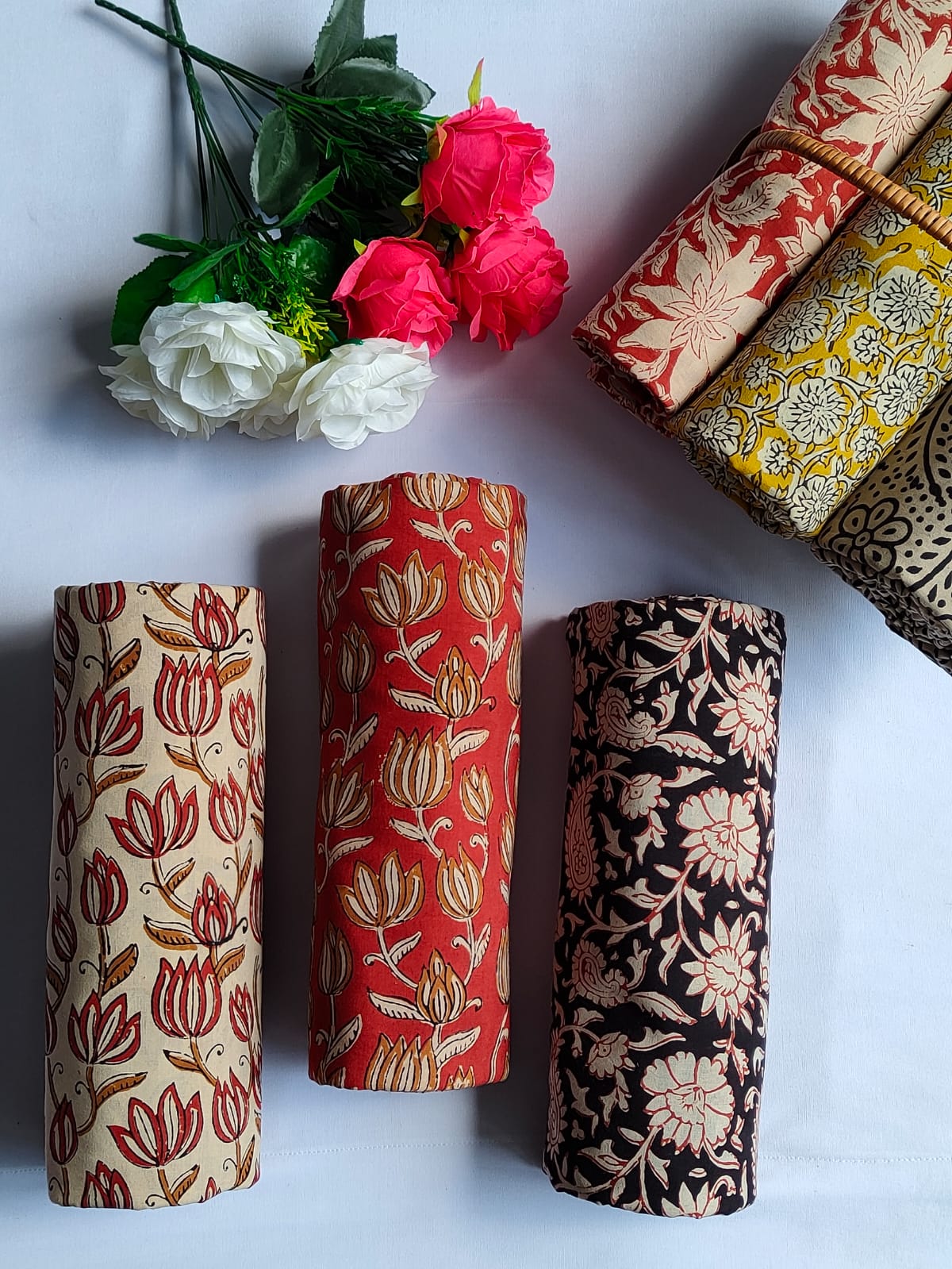


Woven cotton fabrics are among the most popular textiles in the world because they are comfortable, breathable, durable, and versatile. Whether you're wearing a cotton shirt, sewing a dress, decorating your home with cotton cushion covers, or creating products for your fashion brand, proper care plays a major role in maintaining the fabric's appearance and lifespan.
One of the reasons people love cotton is that it is relatively easy to maintain. However, proper washing, drying, ironing, and storage techniques can significantly extend the life of woven cotton fabrics.
At Jaipur Bazar, we work with a wide range of cotton textiles including Plain Cotton Fabrics, Cotton Cambric Fabrics, Mulmul Fabrics, Hand Block Print Fabrics, Bagru Print Fabrics, Dabu Print Fabrics, Indigo Fabrics, and Screen Print Fabrics. Proper care helps preserve the beauty and durability of these fabrics for years.
Understanding Woven Cotton Fabrics
Woven cotton fabrics are created by interlacing cotton yarns together on a loom. This construction creates fabrics that offer:
- Good durability
- Breathability
- Shape retention
- Versatility
Popular woven cotton fabrics include:
- Plain Cotton Fabrics
- Cotton Cambric Fabrics
- Mulmul Fabrics
- Poplin
- Voile
- Canvas
- Twill
- Hand Block Print Fabrics
- Bagru Print Fabrics
- Dabu Print Fabrics
- Indigo Fabrics
Why Proper Fabric Care Matters
Proper care helps:
- Maintain color vibrancy
- Reduce shrinkage
- Prevent fabric damage
- Preserve softness
- Extend product lifespan
- Improve appearance
Good maintenance is especially important for artisan textiles and handcrafted fabrics.
Should You Wash Cotton Fabric Before Use?
In many situations, yes.
Pre-washing cotton fabric is often recommended before:
- Sewing garments
- Creating home décor products
- Starting craft projects
Pre-washing helps:
- Remove finishing residues
- Allow natural shrinkage to occur
- Improve softness
- Reduce surprises later
Understanding Cotton Shrinkage
One of the most common concerns with cotton fabrics is shrinkage.
Factors that affect shrinkage include:
- Water temperature
- Drying temperature
- Fabric construction
- Fabric finishing
Higher heat generally increases the risk of shrinkage.
Read Care Labels First
Always check the care label when available.
The label may provide information regarding:
- Washing temperature
- Drying recommendations
- Ironing instructions
- Special care requirements
Sorting Cotton Fabrics Before Washing
Sort by Color
- Wash whites separately
- Wash light colors together
- Wash dark colors together
This helps prevent color transfer.
Sort by Fabric Weight
Separate lightweight fabrics from heavier items such as towels or denim.
Separate Printed and Handcrafted Fabrics
Artisan textiles such as Hand Block Prints, Bagru Prints, Dabu Prints, and Indigo Fabrics should be washed separately during initial washes.
Choosing the Right Water Temperature
Cold Water Washing
Cold water is often the safest option for woven cotton fabrics.
Benefits include:
- Reduced shrinkage
- Better color retention
- Lower energy consumption
- Less fiber stress
Warm Water Washing
Warm water can be useful for heavily soiled items and household textiles.
Hot Water Washing
Hot water may contribute to shrinkage, color fading, and fabric stress.
Choosing the Right Detergent
A gentle detergent helps preserve:
- Fabric fibers
- Printed designs
- Color vibrancy
- Softness
Avoid overly harsh products whenever possible.
Should You Use Bleach?
Use caution when using bleach.
Bleach may:
- Weaken cotton fibers
- Damage printed fabrics
- Cause discoloration
For colored and printed fabrics, bleach is generally not recommended.
Washing Plain Cotton Fabrics
Plain Cotton Fabrics are among the easiest woven cotton textiles to maintain.
Recommended care:
- Wash in cold or lukewarm water.
- Use mild detergent.
- Avoid excessive bleach.
- Dry carefully.
- Iron if needed.
Washing Cotton Cambric Fabrics
Cotton Cambric Fabrics are known for their smooth texture and lightweight construction.
To maintain quality:
- Wash gently
- Use cold water
- Avoid aggressive spinning
- Air dry when possible
Washing Mulmul Fabrics
Mulmul Fabrics are among the softest cotton fabrics available.
Best practices include:
- Use gentle wash cycles
- Avoid overloading machines
- Handle with care
- Use mild detergents
Caring for Hand Block Print Fabrics
Hand Block Print Fabrics require additional attention due to their handcrafted nature.
For best results:
- Wash separately initially
- Use cold water
- Choose gentle detergents
- Avoid prolonged soaking
Caring for Bagru Print Fabrics
Bagru Print Fabrics are known for their traditional patterns and artisan appeal.
Recommended care:
- Turn garments inside out
- Wash separately during initial washes
- Avoid harsh detergents
- Dry away from direct sunlight
Caring for Dabu Print Fabrics
Dabu Print Fabrics use traditional mud-resist printing techniques.
To preserve their appearance:
- Wash gently
- Avoid bleach
- Minimize exposure to harsh chemicals
- Air dry when possible
Caring for Indigo Fabrics
Indigo Fabrics deserve special attention because indigo dyes may release excess color during initial washes.
Best practices include:
- Wash separately initially
- Use cold water
- Turn garments inside out
- Avoid mixing with white fabrics
Machine Washing vs Hand Washing
Machine Washing
Machine washing works well when:
- Gentle cycles are used
- Water temperature is controlled
- Loads are not excessive
Hand Washing
Hand washing is ideal for:
- Delicate fabrics
- Artisan textiles
- Special garments
How to Dry Woven Cotton Fabrics Properly
Air Drying
Air drying offers several benefits:
- Reduced shrinkage
- Less fiber damage
- Better color retention
- Longer fabric lifespan
Tumble Drying
If using a dryer:
- Choose low heat settings
- Avoid over-drying
- Remove items promptly
Ironing Woven Cotton Fabrics
Cotton wrinkles naturally but responds well to ironing.
For best results:
- Iron slightly damp fabric
- Use cotton temperature settings
- Work carefully around printed designs
Ironing Printed Cotton Fabrics
When ironing printed fabrics:
- Turn fabric inside out
- Use moderate heat
- Avoid direct contact with printed areas
Removing Stains from Cotton Fabrics
Act Quickly
The sooner a stain is treated, the easier it is to remove.
Test Cleaning Products First
Always test stain removers on an inconspicuous area before applying them to visible sections.
Storing Woven Cotton Fabrics
Keep Fabrics Clean Before Storage
Always wash or clean items before long-term storage.
Store in a Cool, Dry Place
Avoid:
- Excess humidity
- Direct sunlight
- Damp environments
Fold Carefully
Neat folding helps reduce deep creases and maintains fabric appearance.
Caring for Cotton Home Furnishings
Cotton home textiles such as cushion covers, curtains, tablecloths, and bed linens benefit from the same care principles used for garments.
Common Cotton Care Mistakes to Avoid
- Washing everything together
- Using excessive heat
- Overloading washing machines
- Using harsh chemicals
- Ignoring care labels
- Over-drying garments
- Improper storage
Why Quality Fabrics Respond Better to Proper Care
High-quality cotton fabrics often:
- Retain color better
- Resist wear longer
- Maintain structure
- Improve with age
When combined with proper care, premium fabrics can remain beautiful for many years.
Final Thoughts
Woven cotton fabrics are among the easiest and most rewarding textiles to maintain. With proper washing, drying, ironing, and storage practices, cotton fabrics can remain soft, comfortable, and attractive for years.
Whether you're caring for Plain Cotton Fabrics, Cotton Cambric, Mulmul, Hand Block Prints, Bagru Prints, Dabu Prints, Indigo Fabrics, or Screen Print Fabrics, thoughtful maintenance helps preserve their comfort, beauty, and craftsmanship.
At Jaipur Bazar, we believe quality fabrics deserve quality care. A little extra attention during washing and maintenance can significantly extend the life of your garments, home furnishings, and fabric creations.
Related Blog:
How can I identify high-quality cotton fabric?
What are the main types of cotton used in fabric production?
How does cotton fabric compare to synthetic fabrics in terms of comfort and durability?
What are the common uses of cotton fabric in clothing?
What are the different types of cotton fabrics available?
How do I choose the best plain cotton fabric for my sewing project?
What are the different types of cotton fabric and their uses?
Can I find drops cotton-lin yarn for knitting projects?
What are the benefits of choosing 100% cotton fabric for clothing and textiles?
How can I identify high-quality woven cotton fabric?
How is cotton fabric produced and processed?
What are the main types of plain cotton fabrics used in clothing?
Where do most cotton fibers come from around the world?
What are some popular uses for cotton fabric in home decor?
What are the different types of woven cotton fabrics used in clothing?
How does the quality of IKEA cotton fabric compare to other brands?
Where can I buy high-quality plain cotton fabric online?
Where can I buy the most affordable woven cotton fabrics online?
Are there any eco-friendly options for plain cotton fabric?