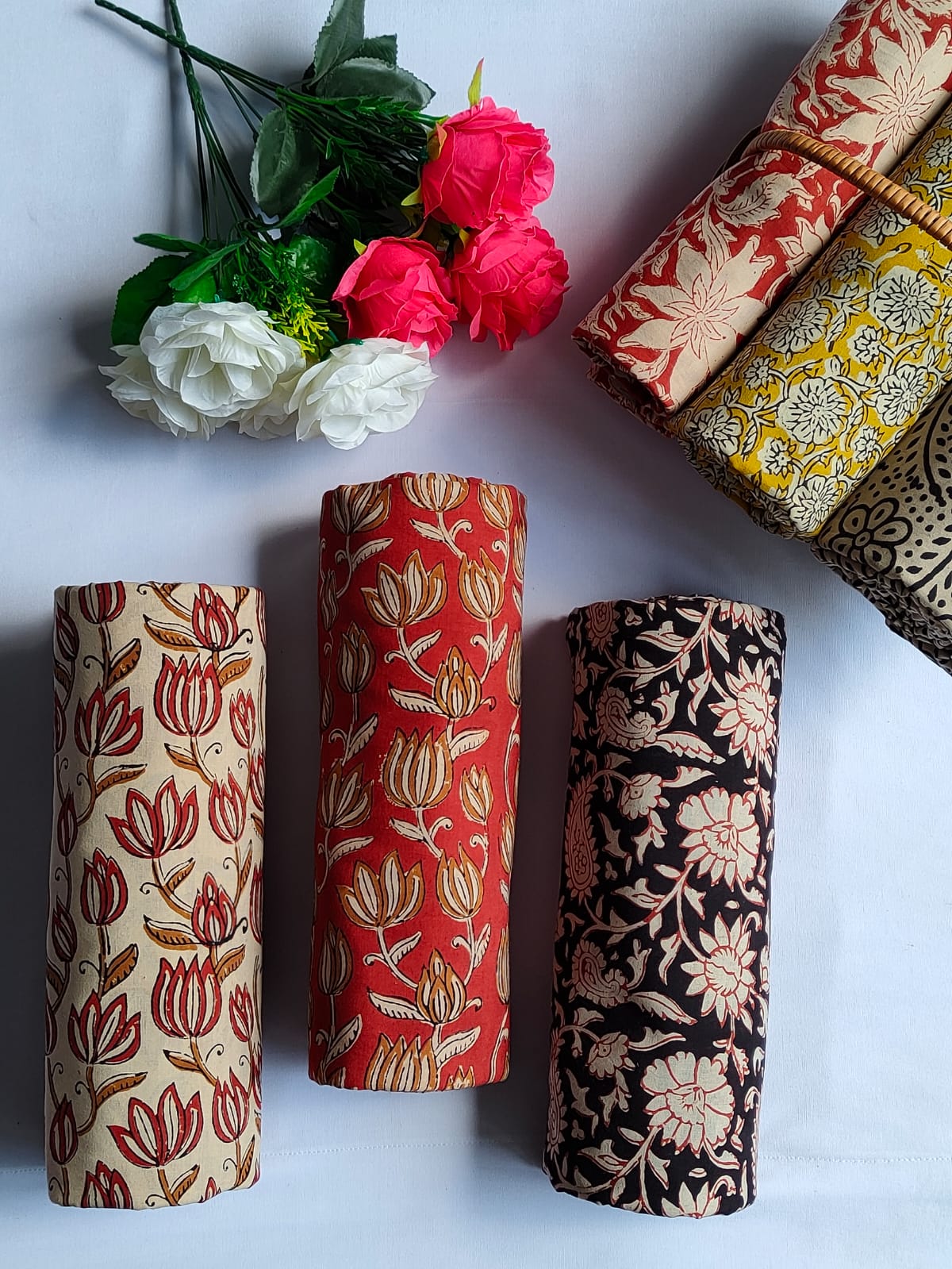


Cotton is widely recognized as one of the most breathable fabrics used in clothing, home textiles, and sewing projects. However, many people assume that all cotton fabrics offer the same level of comfort and airflow. In reality, the thickness of a cotton fabric plays a significant role in determining how breathable it feels when worn or used.
Whether you're shopping for summer clothing, selecting fabric for a sewing project, sourcing materials for a clothing brand, or simply trying to stay comfortable in hot weather, understanding the relationship between fabric thickness and breathability can help you make better choices.
While thinner cotton fabrics generally allow more airflow, thickness alone does not determine breathability. Factors such as weave structure, yarn quality, thread density, fabric finish, and fiber characteristics also influence how air and moisture move through the material.
In this guide, we'll explore how cotton fabric thickness affects breathability, what GSM means, how different cotton fabrics compare, and how to choose the right cotton fabric for your specific needs.
Before diving deeper, you may also find these guides useful:
- How Can I Identify High-Quality Cotton Fabric?
- How Can I Identify High-Quality Woven Cotton Fabric?
- What Are the Main Types of Cotton Used in Fabric Production?
- What Are the Different Types of Cotton Fabrics Available?
- Types of Cotton Fabric and Their Uses
What Does Breathability Mean in Fabric?
Breathability refers to a fabric's ability to allow air, moisture vapor, and heat to pass through its structure. A breathable fabric helps regulate body temperature by allowing warm air and perspiration to escape rather than becoming trapped against the skin.
When discussing cotton fabrics, breathability is influenced by two primary factors:
- Airflow through the fabric
- Moisture absorption and evaporation
Air moves through the spaces between yarns rather than through the fibers themselves. This is why fabric structure often has a greater impact on breathability than fiber content alone.
What Is Fabric Thickness?
Fabric thickness refers to how thick or substantial a textile feels. In the textile industry, thickness is often associated with GSM (grams per square meter), which measures fabric weight.
Generally speaking:
- Lightweight cotton: 60–120 GSM
- Medium-weight cotton: 120–180 GSM
- Heavyweight cotton: 180–250 GSM
- Extra-heavy cotton: 250+ GSM
Although thicker fabrics often weigh more, thickness alone does not determine comfort or airflow. Fabric construction plays an equally important role.
Does Thinner Cotton Fabric Breathe Better?
In most situations, thinner cotton fabrics are more breathable than thicker cotton fabrics.
This happens because lightweight fabrics typically have:
- More airflow between yarns
- Less material blocking air movement
- Faster moisture evaporation
- Lower heat retention
Fabrics such as mulmul, voile, and lightweight cambric are popular in hot climates because they allow air to circulate freely around the body. Their open structure helps sweat evaporate quickly, improving overall comfort.
Why Thickness Is Only Part of the Story
Many people assume that a heavier fabric is automatically less breathable. While this is often true, it is not always the case.
A lightweight fabric with an extremely tight weave may allow less airflow than a slightly heavier fabric with a more open structure.
Similarly, two fabrics with identical GSM ratings can perform very differently because breathability depends on:
- Weave density
- Yarn size
- Thread count
- Fabric finish
- Fiber quality
GSM measures weight, not airflow. Two fabrics of the same weight can have very different levels of breathability depending on how they are constructed.
How Weave Structure Affects Breathability
Weave structure often has a greater impact on breathability than thickness alone.
For example:
- Mulmul has an open weave and excellent airflow.
- Voile is lightweight and highly breathable.
- Cambric balances structure and airflow.
- Poplin is smooth but more tightly woven.
- Heavy twill fabrics generally allow less airflow.
A loosely woven cotton fabric may feel cooler than a tightly woven fabric that weighs less. The spaces between yarns create channels that allow heat and moisture to escape.
Lightweight Cotton Fabrics and Breathability
Lightweight cotton fabrics are generally considered the most breathable options available.
Popular lightweight cotton fabrics include:
- Mulmul
- Muslin
- Voile
- Lightweight cambric
- Cotton lawn
Benefits include:
- Maximum airflow
- Quick drying
- Excellent moisture management
- Comfort in hot climates
- Soft drape
These fabrics are commonly used for summer dresses, kurtis, scarves, tunics, and baby clothing.
Medium-Weight Cotton Fabrics
Medium-weight cotton fabrics offer a balance between breathability, durability, and structure.
Examples include:
- Cotton cambric
- Poplin
- Chambray
- Many printed cotton fabrics
These fabrics provide:
- Good airflow
- Better coverage
- Improved durability
- Versatility across seasons
For many people, medium-weight cotton provides the best combination of comfort and practicality.
Heavyweight Cotton Fabrics
Heavyweight cotton fabrics are typically used when durability, structure, or insulation is more important than maximum airflow.
Examples include:
- Heavy twill
- Canvas
- Molleton
- Heavy jersey
- Heavy sweatshirt fleece
Characteristics include:
- Higher durability
- Better shape retention
- Improved insulation
- Reduced airflow compared to lightweight fabrics
However, heavyweight cotton can still remain surprisingly comfortable because cotton fibers naturally absorb moisture and allow some degree of airflow.
Can Thick Cotton Fabric Still Be Breathable?
Yes. Thickness does not automatically make a cotton fabric uncomfortable.
Some thicker cotton fabrics remain breathable because:
- Cotton fibers absorb moisture effectively
- The fabric drapes away from the skin
- Open yarn structures maintain airflow
- Natural fibers help regulate temperature
In some cases, a well-designed heavyweight cotton fabric can feel more comfortable than a lightweight synthetic fabric that traps heat and moisture.
The Role of Thread Count and Fabric Density
Many consumers assume higher thread count means better quality. While thread count can affect softness and durability, it can also influence breathability.
Very high thread counts can:
- Reduce airflow
- Limit moisture evaporation
- Increase heat retention
This is why some high-thread-count cotton fabrics feel warmer than loosely woven alternatives despite being made from the same fiber.
How Fabric Finishes Affect Breathability
Fabric finishes can alter how breathable a cotton fabric feels.
Certain treatments may:
- Reduce air permeability
- Create a smoother surface
- Improve wrinkle resistance
- Add stain resistance
While these finishes offer practical benefits, they can sometimes reduce airflow by partially blocking the spaces between yarns. Best Cotton Fabrics for Hot Weather
If breathability is your primary concern, consider:
- Mulmul cotton
- Voile
- Cotton lawn
- Lightweight cambric
- Muslin
Explore:
Best Cotton Fabrics for Year-Round Wear
For versatility throughout the year, medium-weight fabrics often work best.
- Cotton cambric
- Printed cotton fabrics
- Poplin
- 60x60 cotton fabrics
Explore:
How to Choose the Right Thickness for Your Project
The ideal thickness depends on the intended use.
| Application | Recommended Fabric Weight |
|---|---|
| Summer Clothing | 60–120 GSM |
| Kurtis & Dresses | 80–150 GSM |
| Shirts | 100–160 GSM |
| Year-Round Wear | 120–180 GSM |
| Winter Apparel | 180+ GSM |
Related Reading
- What Are the Benefits of 100% Cotton Fabric?
- How Do I Choose the Best Plain Cotton Fabric for My Sewing Project?
- What Are the Main Types of Plain Cotton Fabrics Used in Clothing?
- What Are the Different Types of Woven Cotton Fabrics Used in Clothing?
- What Are the Latest Trends in Cotton Clothing?
Conclusion
The thickness of cotton fabric has a significant impact on breathability, but it is only one part of the equation. Lightweight cotton fabrics generally provide the best airflow and cooling performance, making them ideal for hot climates and summer clothing. However, weave structure, thread density, yarn quality, and fabric finishes often have an equally important influence on comfort. By understanding how thickness interacts with these factors, you can choose cotton fabrics that deliver the ideal balance of breathability, durability, and performance for your specific project or garment.