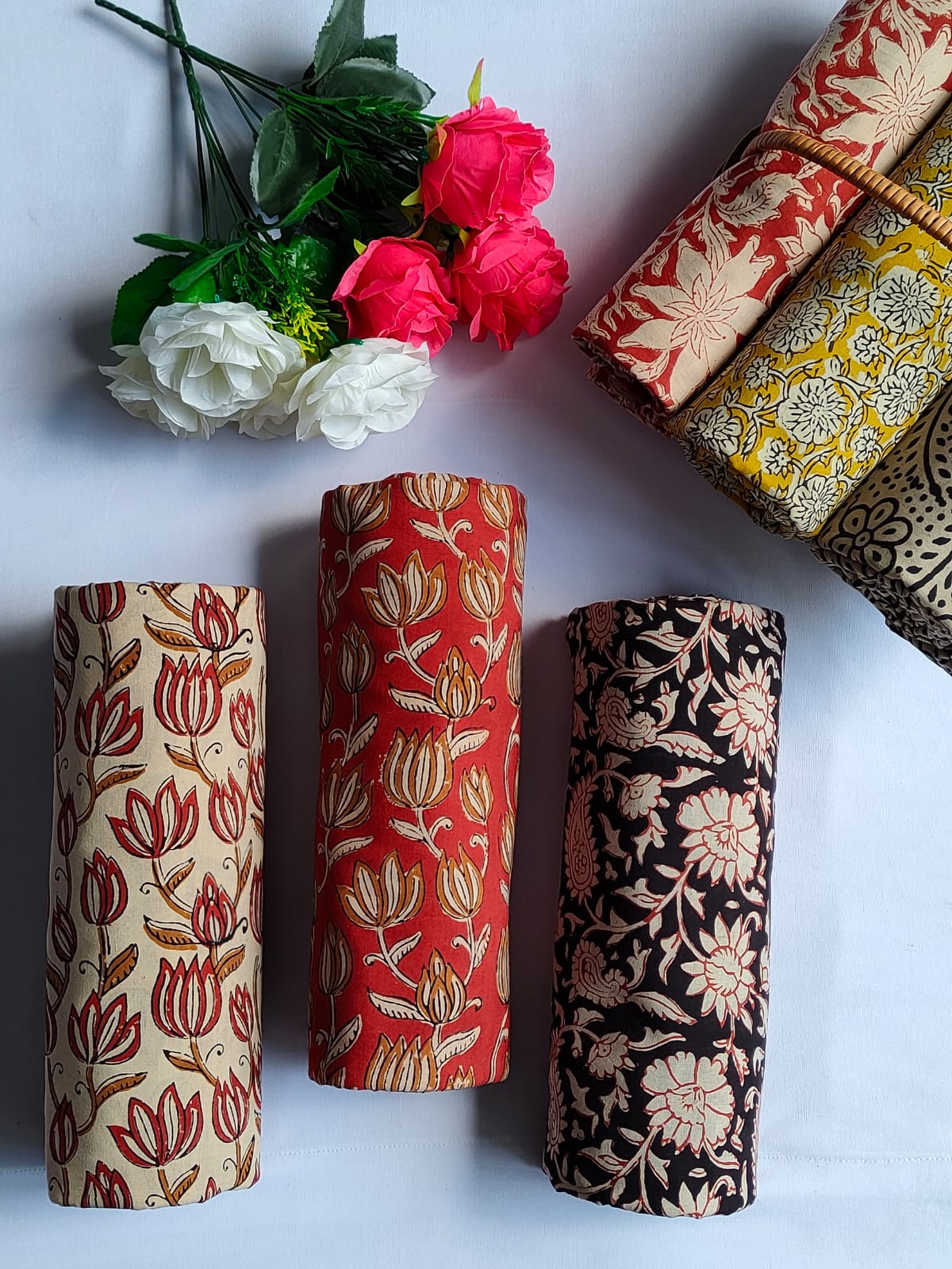


When summer temperatures rise, choosing the right fabric becomes just as important as choosing the right clothing style. Heavy materials can feel uncomfortable in hot weather, while lightweight cotton fabrics can help create outfits that feel comfortable, allow air movement, and work well for everyday wear.
Cotton is a popular choice for summer clothing because it absorbs moisture, comes in a wide range of fabric constructions, and can be used to make everything from relaxed shirts and flowing dresses to kurtas, skirts, and coordinated outfits. However, not every cotton fabric is equally lightweight. Some cotton materials have a crisp, structured feel, while others are soft, airy, or designed to provide more coverage.
The best lightweight cotton fabric depends on the garment you want to make, the climate, the desired fit, and how the finished clothing will be used.
In this guide, we will explore the best lightweight cotton fabrics for summer clothing, explain their characteristics, and help you choose suitable materials for dresses, shirts, kurtas, tops, and other warm-weather outfits.
1. What Makes a Cotton Fabric Suitable for Summer?
Before choosing a particular cotton fabric, it helps to understand the characteristics that make a material suitable for warm weather.
A good summer fabric should balance weight, airflow, moisture absorption, comfort, and the needs of the garment. A lightweight material may feel airy, but it also needs to provide enough coverage and work with the intended design.
Here are the main factors to consider.
Lightweight Construction
Lightweight cotton fabrics generally feel less bulky than heavier materials. They can be useful for loose shirts, summer dresses, relaxed kurtas, and other garments designed for warm conditions.
However, lightweight does not automatically mean high quality. The fabric should still have a suitable construction for the garment and should not be excessively fragile.
Breathability
Fabric construction influences how air moves through a garment. Cotton materials with suitable weaves and relatively open constructions can feel comfortable in warm weather.
A tightly woven cotton fabric may offer better coverage but allow less air movement than a lighter, more open material. The best choice depends on the balance you need between comfort, opacity, and durability.
Moisture Absorption
Cotton absorbs moisture, which is one reason it is widely used for everyday clothing. However, cotton can also retain moisture and may dry more slowly than some synthetic fabrics.
For summer outfits, consider both the fabric's moisture absorption and how quickly it can dry under your usual conditions.
Softness and Texture
Soft cotton fabrics can feel pleasant against the skin, especially in garments worn for long periods. Some fabrics have a crisp finish, while others have a smooth, soft, or slightly textured surface.
The best texture depends on personal preference and the garment design.
Drape and Fit
A flowing summer dress requires a different fabric from a structured cotton shirt. Lightweight fabrics often work well for relaxed silhouettes, while slightly firmer cotton materials may be better for garments that need to hold their shape.
Understanding these factors will help you choose cotton fabric according to its actual use rather than relying only on the product name.
2. Mulmul Cotton: A Lightweight Choice for Summer Clothing
Mulmul cotton, also known as muslin in some textile contexts, is valued for its lightweight construction and soft feel. The exact characteristics vary because the term can describe fabrics with different yarns, weave densities, and finishes.
Suitable mulmul cotton can be a good option for loose-fitting garments that benefit from a light, airy appearance.
Why Choose Mulmul Cotton?
Depending on its construction, mulmul cotton can offer:
-
A lightweight feel
-
A soft surface
-
A relaxed drape
-
Suitability for loose-fitting designs
-
A comfortable option for warm-weather clothing
Best Uses of Mulmul Cotton
Mulmul cotton can be considered for:
-
Loose summer dresses
-
Lightweight kurtas
-
Relaxed tops
-
Tunics
-
Scarves and stoles
-
Loose-fitting homewear
For example, a flowing mulmul cotton dress can create an easy summer outfit when paired with simple sandals. A lightweight kurta can also be styled with comfortable trousers for everyday wear.
What Should You Check Before Buying?
Very lightweight mulmul may be transparent, especially in white and pastel shades. Some garments may require lining or a layered design.
Check the fabric's opacity, strength, and drape before choosing it for a particular garment.
If you are looking for lightweight cotton for relaxed clothing, explore mulmul cotton fabrics at Jaipur Bazar.
3. Cotton Cambric: A Versatile Fabric for Summer Outfits
Cotton cambric is a fine, closely woven cotton fabric commonly used for shirts, dresses, kurtas, and other garments. It is available in different weights and finishes, so not every cambric fabric will have the same level of lightness or softness.
Lightweight cotton cambric can be a useful option when you want a fabric that combines a relatively smooth surface with enough structure for everyday clothing.
Benefits of Cotton Cambric for Summer
Depending on the particular fabric, cotton cambric may offer:
-
A smooth, relatively fine surface
-
A neat appearance
-
Moderate structure
-
Suitability for everyday garments
-
A useful base for printed designs
Its construction can make it suitable for garments that need more shape than a very soft, loosely constructed fabric.
Best Uses of Cotton Cambric
Cotton cambric is often considered for:
-
Summer shirts
-
Women's blouses
-
Cotton dresses
-
Kurtas and tunics
-
Children's clothing
-
Lightweight trousers
-
Printed tops
A cambric shirt can be paired with cotton trousers for a casual outfit. A printed cambric dress can also work well for daytime wear, provided the fabric weight and opacity suit the design.
How to Choose the Right Cambric
Check the actual fabric weight, surface feel, and weave density. Some cambric materials are crisp and structured, while others have a softer finish.
If you want a fabric for a white summer dress, check whether it provides sufficient coverage or needs lining. For shirts and kurtas, consider how well the material holds its shape.
Explore cotton cambric fabrics to compare options for summer garment projects.
4. Lightweight Plain Cotton Fabric for Everyday Wear
Plain cotton is one of the most versatile choices for summer clothing. It is available in a wide range of weights, colours, weaves, and finishes, making it suitable for both simple wardrobe basics and more structured designs.
When selecting plain cotton for summer, look specifically for a lightweight version rather than assuming every plain cotton fabric will be suitable for hot weather.
Why Plain Cotton Is a Useful Option
Plain cotton can offer several practical advantages:
-
A simple surface that works with many garment styles
-
A wide choice of colours
-
Flexibility for sewing and customisation
-
Suitability for everyday clothing
-
Easy coordination with printed garments
Best Uses of Lightweight Plain Cotton
Lightweight plain cotton can be used for:
-
Summer tops
-
Shirts and blouses
-
Cotton kurtas
-
Simple dresses
-
Skirts
-
Relaxed trousers
-
Children's clothing
One advantage of plain cotton is that it can serve as a wardrobe basic. A white cotton shirt, for example, can be paired with printed trousers, jeans, skirts, or other summer clothing.
Plain cotton can also be used for creative sewing projects. You can select a colour that complements your wardrobe and create garments in the fit and style you prefer.
What to Look For
Check the fabric's weight, weave, and opacity. A lighter material may be suitable for a flowing garment, while a slightly firmer version may be better for a structured shirt.
Explore plain cotton fabrics at Jaipur Bazar for versatile fabric options.
5. Lightweight Printed Cotton for Colourful Summer Clothing
Printed cotton is an excellent choice when you want summer clothing with colour, pattern, and personality. It is available in many designs, including floral motifs, geometric patterns, botanical prints, and traditional Indian patterns.
However, printed cotton describes a decorated fabric rather than a specific weight or weave. Some printed cotton materials are lightweight, while others are heavier. Check the actual construction before buying.
Why Choose Printed Cotton for Summer?
Printed cotton can help you create interesting outfits without needing complicated cuts or heavy embellishments.
Its benefits depend on the base fabric, but it offers:
-
A wide variety of colours and patterns
-
Options for casual and ethnic clothing
-
Suitability for coordinated outfits
-
Flexibility for custom garment designs
Best Uses of Lightweight Printed Cotton
Lightweight printed cotton can be suitable for:
-
Floral summer dresses
-
Printed shirts
-
Cotton kurtas
-
Casual tops
-
Printed skirts
-
Co-ord sets
-
Tunics
For example, a floral cotton dress can be styled with simple sandals for a daytime outing. A printed shirt paired with plain trousers creates a balanced casual look.
How to Choose Printed Cotton
Consider the scale of the print and the garment's design. Small patterns may work well for shirts and kurtas with several seams, while larger patterns can be effective on dresses and skirts with broader fabric panels.
Also check the print quality, colour consistency, and washing instructions.
Explore printed cotton fabrics for summer clothing and creative sewing ideas.
6. Hand Block Print Cotton for Traditional and Contemporary Summer Fashion
Hand block printed cotton brings traditional textile craftsmanship into everyday clothing. The process involves applying patterns to fabric using carved blocks, often with different blocks used for different colours or parts of the design.
Hand block printing is associated with several Indian textile traditions, including those found in Rajasthan. The finished fabric can feature floral motifs, geometric patterns, borders, and other decorative designs.
The weight and breathability of hand block printed cotton depend on the base fabric. A lightweight cotton base may work well for summer garments, while a heavier base may be more suitable for structured clothing.
Why Choose Hand Block Print Cotton?
It offers:
-
Traditional patterns with a handcrafted appearance
-
Options for ethnic and modern outfits
-
A wide range of motifs and colour combinations
-
Suitability for custom garment designs
Best Uses for Summer Clothing
Lightweight hand block print cotton can be used for:
-
Cotton kurtas
-
Relaxed summer dresses
-
Shirts and blouses
-
Tunics
-
Printed skirts
-
Lightweight co-ord sets
A block-printed cotton kurta can be paired with plain trousers, while a printed dress can be styled with minimal accessories to let the fabric stand out.
Choosing the Right Fabric
Check the base fabric's weight, softness, and opacity, as well as the print's appearance. Hand block printing does not automatically mean that the fabric is lightweight or breathable, so assess the actual material.
Discover hand block print cotton fabrics for traditional designs that can work in contemporary summer wardrobes.
7. Bagru Print Cotton for Earthy Summer Looks
Bagru printing is a traditional textile craft associated with Bagru in Rajasthan. It is known for its distinctive printing practices and patterns created using carved wooden blocks.
Bagru-inspired fabrics may feature earthy colour combinations, floral motifs, geometric patterns, and traditional arrangements. Depending on the design, indigo, brown, rust, and other natural-looking shades may be prominent.
The suitability of Bagru print cotton for summer depends on the base fabric's weight and construction.
Best Uses of Bagru Print Cotton
Suitable lightweight versions can be used for:
-
Summer kurtas
-
Relaxed shirts
-
Cotton dresses
-
Tunics
-
Printed skirts
-
Casual co-ord sets
A Bagru print shirt paired with plain trousers can create a relaxed everyday outfit. A printed kurta can also work well for casual outings and everyday ethnic wear.
How to Style Bagru Prints
Because Bagru patterns often have a distinctive visual character, pairing them with plain-colour garments can create a balanced look.
For example, a printed top can be paired with cream trousers, while a printed dress can be styled with simple footwear and minimal jewellery.
Before buying, check the base fabric's thickness, print quality, and care instructions.
Explore Bagru print cotton fabrics for traditional designs and garment-making inspiration.
8. Dabu Print Cotton for Comfortable Summer Clothing
Dabu printing is a traditional resist-printing technique associated with Rajasthan. It involves protecting selected areas of the fabric from dye so that contrasting patterns remain visible after the dyeing process.
Dabu textiles often feature repeating motifs and contrasting colour combinations. Indigo is a familiar choice, although designs and colours can vary.
As with other printed cotton fabrics, the weight and comfort of Dabu print cotton depend on the base material and its construction.
Best Uses of Dabu Print Cotton
Lightweight versions can be suitable for:
-
Summer kurtas
-
Cotton tunics
-
Casual shirts
-
Printed dresses
-
Skirts
-
Relaxed ethnic outfits
Dabu prints can work well for everyday clothing because the patterns add visual interest without requiring elaborate embellishment.
How to Choose Dabu Cotton for Summer
Check whether the fabric is lightweight enough for the garment you want to create. Also consider the opacity, texture, and care instructions.
For a summer kurta, a lightweight cotton base with a comfortable fit may be a good choice. For a structured shirt, you may prefer a fabric with a little more body.
Browse Dabu cotton fabrics for traditional print designs suitable for different clothing projects.
9. Cotton Voile for Airy Summer Garments
Cotton voile is a lightweight woven cotton fabric often associated with a fine texture and a soft, airy appearance. Its exact characteristics vary according to yarn quality, weave density, and finishing.
Suitable cotton voile can be useful for garments that need a light drape and a less bulky feel.
Why Consider Cotton Voile?
Depending on its construction, cotton voile may offer:
-
A lightweight feel
-
A fine, relatively smooth surface
-
A soft drape
-
Suitability for loose-fitting garments
-
An airy appearance
Best Uses of Cotton Voile
Cotton voile may be suitable for:
-
Lightweight blouses
-
Loose summer tops
-
Flowing dresses
-
Tunics
-
Scarves
-
Layered garments
Because voile can be relatively sheer, it may require lining or a layered construction for some garments.
If you are choosing voile for a dress, check how it looks as a single layer and whether it provides the coverage you want. For blouses and shirts, consider the garment's design and how much structure it requires.
Cotton voile is a useful option when lightness and drape are priorities, but it may not be the best choice for garments that need a crisp or structured appearance.
10. Cotton Lawn for Lightweight Shirts and Dresses
Cotton lawn is generally a fine, lightweight woven cotton fabric with a smooth surface. It is often used for garments that need a relatively light construction without the loose appearance associated with some very sheer fabrics.
Its exact feel and opacity depend on the yarns, weave, and finishing.
Why Choose Cotton Lawn?
Cotton lawn may be suitable when you want:
-
A fine, smooth surface
-
A lightweight fabric
-
A relatively neat appearance
-
A material for detailed garment designs
Best Uses of Cotton Lawn
Depending on its weight and construction, cotton lawn can be used for:
-
Summer blouses
-
Lightweight shirts
-
Dresses
-
Skirts
-
Children's clothing
-
Printed garments
Its relatively smooth surface can work well with delicate floral prints and small-scale patterns.
What to Check Before Buying
Do not assume all cotton lawn is fully opaque. Light-coloured versions may require lining, depending on the garment.
Check the fabric's weight, construction, drape, and washing instructions. If you are planning a garment with gathers or multiple layers, consider how the material will behave when stitched.
Cotton lawn is worth considering when you want a light, fine cotton fabric for warm-weather clothing.
11. Cotton Poplin for Structured Summer Clothing
Cotton poplin is a woven cotton fabric known for its relatively smooth surface and crisp feel. It is commonly used for shirts, blouses, dresses, and other garments that benefit from a neat appearance.
Not all poplin is lightweight, so choose a version whose weight and construction suit summer clothing.
Why Choose Lightweight Cotton Poplin?
Suitable lightweight poplin can provide:
-
A smooth surface
-
A relatively crisp appearance
-
Enough structure for many shirt designs
-
A useful base for printed or solid-colour garments
Best Uses of Cotton Poplin
Lightweight cotton poplin can work well for:
-
Summer shirts
-
Blouses
-
Shirt dresses
-
Structured cotton dresses
-
Children's garments
-
Lightweight skirts
For example, a poplin shirt can create a neat casual outfit when paired with relaxed trousers. A shirt dress made from suitable poplin can also be a practical choice for daytime wear.
Is Cotton Poplin Better Than Mulmul for Summer?
Neither fabric is automatically better. Lightweight mulmul may offer a softer, more relaxed drape, while cotton poplin may provide more structure.
Choose mulmul when the design benefits from a softer and lighter appearance. Choose poplin when you want a smoother surface and a garment that holds its shape more firmly.
The correct choice depends on the design, weight, opacity, and intended use.
12. Cotton Gauze for Relaxed Summer Styles
Cotton gauze is a lightweight woven fabric that often has a relatively open construction and a soft, textured appearance. Some versions are made in multiple layers, while others are single-layer fabrics.
Its characteristics depend on the particular construction.
Why Consider Cotton Gauze?
Cotton gauze can be useful for clothing that benefits from:
-
A relaxed, textured appearance
-
A lightweight feel
-
A soft drape
-
Casual, loose-fitting silhouettes
Best Uses of Cotton Gauze
Depending on the construction, cotton gauze may be suitable for:
-
Relaxed summer tops
-
Loose shirts
-
Casual dresses
-
Tunics
-
Lightweight scarves
-
Comfortable homewear
Its textured appearance can make simple garments look interesting without requiring additional decoration.
However, some gauze fabrics are more open or delicate than other cotton materials. Check their opacity and strength before using them for a particular garment.
For a dress or shirt that needs more coverage, consider whether a lining or layered construction is appropriate.
13. How to Compare Lightweight Cotton Fabrics
When choosing between different cotton fabrics, it helps to compare them according to the garment you intend to make.
| Fabric type | Typical feel or construction | Summer clothing applications | Main consideration |
|---|---|---|---|
| Mulmul cotton | Often lightweight and softly draping | Loose dresses, kurtas, tops | May be sheer |
| Cotton cambric | Fine, closely woven | Shirts, tunics, dresses | Weight and finish vary |
| Plain cotton | Available in many weights | Shirts, tops, dresses, kurtas | Check actual construction |
| Printed cotton | Varies by base fabric | Dresses, shirts, skirts, co-ords | Print does not determine weight |
| Hand block print cotton | Depends on the base fabric | Kurtas, dresses, shirts | Check base fabric and print |
| Bagru print cotton | Varies by construction | Ethnic wear, dresses, shirts | Check thickness and care |
| Dabu print cotton | Varies by base material | Kurtas, dresses, casual wear | Check weight and opacity |
| Cotton voile | Fine and often airy | Blouses, flowing dresses | May require lining |
| Cotton lawn | Fine and relatively smooth | Shirts, dresses, skirts | Check coverage |
| Cotton poplin | Often smooth and crisp | Shirts, structured dresses | Not all versions are lightweight |
| Cotton gauze | Often textured and open | Loose tops, dresses, tunics | Check durability and opacity |
This table provides a general guide rather than a strict ranking. Individual products can differ significantly, so check the actual specifications before purchasing.
14. How to Choose the Right Lightweight Cotton Fabric
Once you have shortlisted a few fabric types, use these practical checks to make your final decision.
Check the Fabric Weight
Ask for the GSM where available. A lower GSM can indicate a lighter fabric, but weight alone does not determine breathability, opacity, or quality.
Compare samples intended for the same garment rather than comparing unrelated fabrics by weight alone.
Check the Weave
A fabric's weave affects airflow, structure, and drape. A more open weave may feel airy but can also reduce coverage.
Choose a construction that balances comfort with the appearance you want.
Hold It Against the Light
This is particularly useful for white and pastel fabrics. Check whether the fabric is sufficiently opaque for your garment or whether it needs lining.
Feel the Surface
Assess whether the fabric feels smooth, soft, crisp, or textured. The best choice depends on the garment and personal preference.
Consider the Print
If you are buying printed cotton, check the print quality and colour consistency. Remember that a printed fabric can be lightweight or heavy depending on the base material.
Ask About Shrinkage
Cotton may shrink during washing. If you are sewing your own clothing, prewashing may help account for dimensional changes.
For bulk garment production, request relevant shrinkage information where possible.
Check Care Requirements
Some cotton fabrics need careful washing or ironing to preserve their appearance. Choose a fabric whose care needs match how the finished garment will be used.
15. Common Mistakes to Avoid When Buying Summer Cotton
A few common mistakes can make it harder to select the right cotton fabric.
Assuming Every Cotton Fabric Is Lightweight
Cotton is available in many weights and constructions. A heavy cotton twill or thick brushed fabric may be unsuitable for a flowing summer dress, even though it is made from cotton.
Choosing Only by Softness
A soft fabric is not automatically breathable, durable, or suitable for a particular garment. Check the construction and weight as well.
Ignoring Transparency
Very lightweight fabrics may require lining. Always assess the fabric in the colour and number of layers you plan to use.
Assuming Printed Cotton Is Always Suitable for Summer
The print does not determine how lightweight the fabric is. Check the base fabric's composition, weight, and construction.
Buying in Bulk Without a Sample
A sample lets you check the material's texture, drape, opacity, and response to washing before committing to a larger purchase.
Overlooking the Garment Design
A fabric that works well for a loose summer dress may not be suitable for a structured shirt. Match the fabric to the silhouette and intended use.
Conclusion
The best lightweight cotton fabrics for summer clothing depend on the garment, climate, and preferred style. Mulmul cotton and suitable cotton voile can be useful for light, flowing designs, while cotton cambric and lightweight poplin can work well for shirts, kurtas, and garments that need more structure.
Plain cotton offers flexibility for everyday wardrobe basics, while printed cotton, hand block prints, Bagru prints, and Dabu prints bring colour and traditional design into summer fashion. Cotton lawn and cotton gauze are also worth considering for particular lightweight clothing projects.
Before purchasing, check the fabric's weight, weave, texture, opacity, and care requirements. A lightweight fabric should still be appropriate for the garment and provide the coverage and durability you need.
If you are looking for cotton fabric for summer dresses, shirts, kurtas, tops, or other clothing projects, explore the Jaipur Bazar cotton fabric collection. You can also browse plain cotton fabrics, cotton cambric fabrics, mulmul cotton fabrics, and printed cotton fabrics to compare different options for your next summer wardrobe.