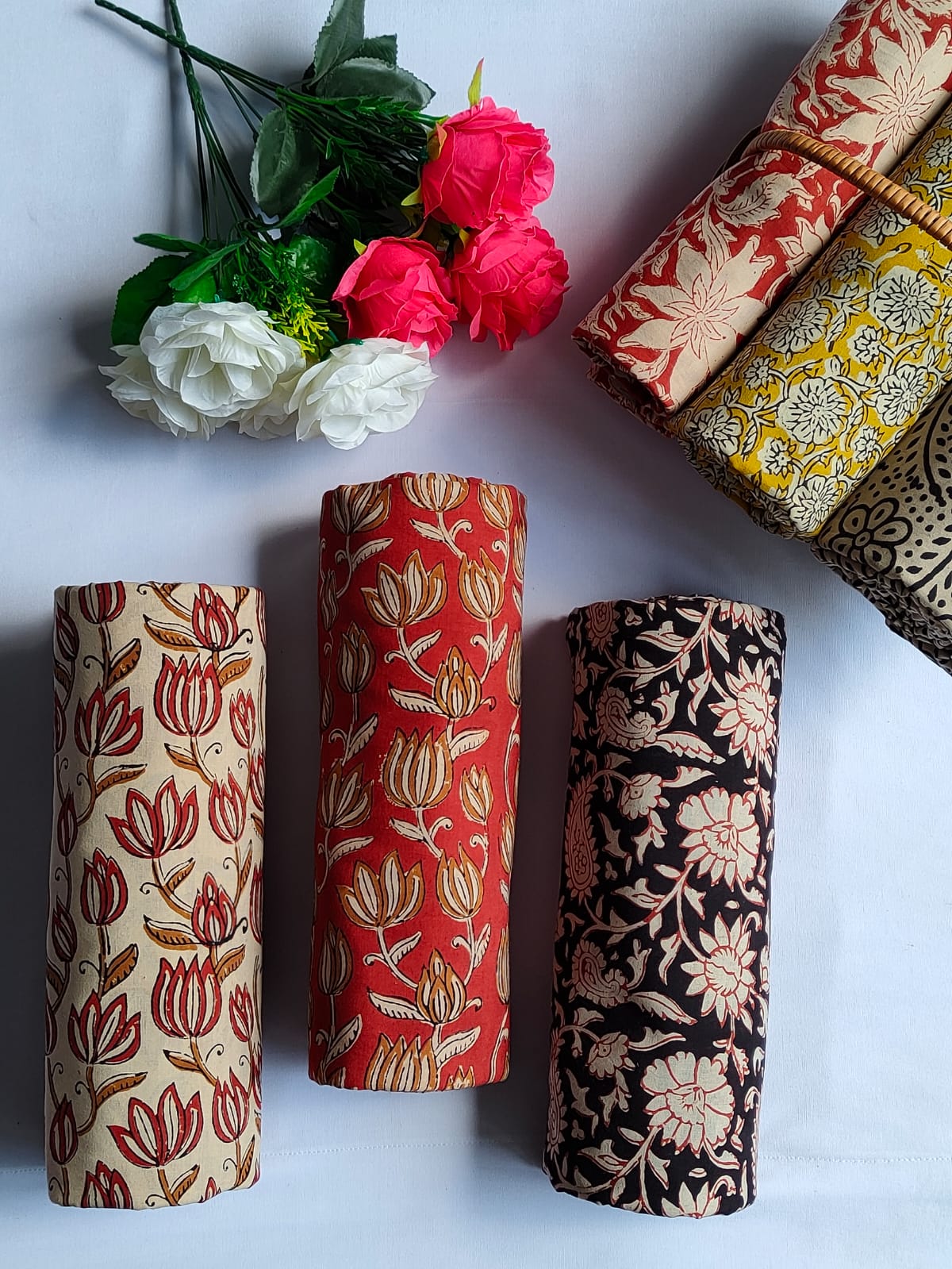


Cotton is one of the most versatile textiles in the world. From airy summer dresses and breathable shirts to durable jackets and upholstery, cotton can be woven into fabrics with vastly different weights, textures, and performance characteristics. One of the most important factors that determines how a cotton fabric feels and functions is its weight.
When shopping for cotton fabric, many people focus on color, print, or price. However, understanding the difference between lightweight and heavy cotton fabrics can help you choose the right material for clothing, home décor, craft projects, and commercial applications.
A lightweight cotton fabric may be perfect for hot weather garments, while a heavier cotton fabric might provide the durability and structure needed for outerwear or home furnishings. Neither is inherently better. The ideal choice depends entirely on the intended use.
In this comprehensive guide, we'll explore the differences between lightweight and heavy cotton fabrics, how they are made, where they are used, and how to select the right option for your project.
Related Cotton Fabric Guides
Understanding Cotton Fabric Weight
Fabric weight refers to the density and mass of the fabric. It is typically measured in GSM (grams per square meter) or ounces per square yard.
The higher the GSM, the heavier and generally thicker the fabric becomes.
General Cotton Weight Categories
| Fabric Type | Typical GSM |
|---|---|
| Lightweight Cotton | 60–150 GSM |
| Medium Weight Cotton | 150–250 GSM |
| Heavy Cotton | 250+ GSM |
While GSM provides useful guidance, fabric performance is also influenced by fiber quality, yarn count, weave structure, and finishing techniques.
To understand how cotton fabric is manufactured, read How Is Cotton Fabric Produced and Processed?.
What Is Lightweight Cotton Fabric?
Lightweight cotton fabrics are woven using finer yarns and generally have lower GSM values. They are known for their breathability, softness, flexibility, and comfort in warm weather.
Popular lightweight cotton fabrics include:
- Mulmul Cotton
- Cotton Cambric
- Cotton Voile
- Cotton Lawn
- Lightweight Poplin
- Fine Printed Cotton
Explore:
What Is Heavy Cotton Fabric?
Heavy cotton fabrics are produced using thicker yarns, tighter constructions, or denser weaving techniques. They provide increased durability, structure, and longevity.
Common examples include:
- Cotton Canvas
- Cotton Duck
- Heavy Cotton Twill
- Denim
- Upholstery Cotton
- Heavy Decorative Cotton
Heavy cotton fabrics are usually selected when strength and structure are more important than maximum airflow.
1. Breathability
Lightweight Cotton
Lightweight cotton fabrics allow air to circulate easily through the weave.
Benefits include:
- Better ventilation
- Improved comfort in hot weather
- Faster moisture evaporation
- Cooler feel against the skin
This makes lightweight cotton extremely popular for summer clothing and tropical climates.
Related reading: How Does the Thickness of Cotton Fabric Affect Its Breathability?
Heavy Cotton
Heavy cotton fabrics provide less airflow because of their denser construction.
Advantages include:
- More protection from the elements
- Better insulation
- Greater structural support
However, they may feel warmer in hot climates.
2. Comfort Against the Skin
Lightweight Cotton
Lightweight cotton is often chosen for garments worn directly against the skin.
Examples include:
- Summer shirts
- Kurtis
- Dresses
- Sleepwear
- Baby clothing
These fabrics feel soft, breathable, and easy to wear throughout the day.
Heavy Cotton
Heavy cotton provides a more substantial feel. While still comfortable, it generally feels firmer and more structured than lightweight alternatives.
3. Drape and Movement
Lightweight Cotton
Lightweight cotton creates soft folds and fluid movement.
It is ideal for:
- Dresses
- Tunics
- Scarves
- Women's apparel
- Flowing garments
Heavy Cotton
Heavy cotton offers greater shape retention and structure.
It is commonly used for:
- Jackets
- Trousers
- Tote bags
- Home décor items
- Structured fashion pieces
4. Durability
Lightweight Cotton
Quality lightweight cotton can still be durable, but it generally experiences wear more quickly than heavier constructions.
It may require gentler washing and handling to maximize longevity.
Heavy Cotton
Heavy cotton fabrics are designed to withstand greater wear and tear.
Benefits include:
- Higher abrasion resistance
- Longer lifespan
- Improved strength
- Better performance in demanding applications
5. Wrinkle Resistance
Lightweight Cotton
Finer cotton fabrics tend to wrinkle more easily because of their flexibility.
Examples include:
- Mulmul Cotton
- Cotton Voile
- Cotton Lawn
These fabrics may require more frequent ironing.
Heavy Cotton
Heavier cotton fabrics generally maintain their shape better and often show fewer wrinkles during everyday use.
6. Opacity
Lightweight Cotton
Many lightweight cotton fabrics are semi-transparent or partially sheer.
This is common in:
- Mulmul Cotton
- Voile Cotton
- Lawn Cotton
Some garments may require lining.
Heavy Cotton
Heavy cotton fabrics provide better coverage and greater opacity.
In many cases, additional lining is unnecessary.
7. Moisture Management
Lightweight Cotton
Lightweight cotton dries relatively quickly because of its lower density and improved airflow.
This makes it comfortable in humid conditions.
Heavy Cotton
Heavy cotton can absorb more moisture overall but typically takes longer to dry.
When wet, it may also feel heavier.
8. Seasonal Suitability
Lightweight Cotton
Best suited for:
- Summer
- Spring
- Tropical climates
- Warm-weather travel
Heavy Cotton
Often preferred for:
- Cooler seasons
- Layered outfits
- Transitional weather
- Protective clothing
Popular Lightweight Cotton Fabrics
Mulmul Cotton
Mulmul cotton is one of the softest and most breathable cotton fabrics available.
Benefits include:
- Ultra-lightweight feel
- Excellent airflow
- Exceptional softness
- Comfort in hot climates
Explore Mulmul Cotton Fabrics.
Cotton Cambric
Cotton cambric is widely used for garments because it balances softness, breathability, and durability.
Explore Cotton Cambric Fabrics.
Printed Cotton
Lightweight printed cotton fabrics are commonly used for dresses, kurtis, tops, and everyday apparel.
Explore Printed Cotton Fabrics.
Popular Medium-to-Heavy Cotton Fabrics
60x60 Cotton
60x60 cotton offers a balanced construction that sits between extremely lightweight and heavy fabric categories.
Benefits include:
- Good breathability
- Durability
- Versatility
- Everyday comfort
Explore 60x60 Cotton Fabrics.
Canvas Cotton
Canvas is known for its strength and durability.
Common uses include:
- Bags
- Aprons
- Home décor
- Utility products
Cotton Twill
Cotton twill is recognized by its diagonal weave pattern and excellent durability.
It is frequently used for trousers, jackets, uniforms, and workwear.
Which Is Better for Clothing?
Lightweight Cotton Is Ideal For:
- Summer dresses
- Kurtis
- Tops
- Tunics
- Sleepwear
- Children's clothing
Related reading: Common Uses of Cotton Fabric in Clothing
Heavy Cotton Is Better For:
- Jackets
- Workwear
- Structured trousers
- Uniforms
- Protective garments
Which Is Better for Home Décor?
Lightweight Cotton
- Decorative curtains
- Seasonal home accents
- Light decorative projects
Heavy Cotton
- Upholstery
- Cushion covers
- Table linens
- Durable curtains
Related reading: Popular Uses of Cotton Fabric in Home Décor
How Fabric Weight Affects Printing
Both lightweight and heavy cotton fabrics can be printed using traditional and modern techniques.
Popular cotton printing methods include:
- Hand Block Printing
- Screen Printing
- Digital Printing
- Bagru Printing
- Dabu Printing
- Batik Printing
Explore related collections:
How to Choose Between Lightweight and Heavy Cotton
Ask yourself the following questions:
What Is the End Use?
- Clothing
- Home décor
- Accessories
- Craft projects
What Climate Will It Be Used In?
- Hot weather → Lightweight cotton
- Cooler weather → Heavy cotton
Does the Fabric Need Structure?
- Yes → Heavy cotton
- No → Lightweight cotton
Is Breathability Important?
- Very important → Lightweight cotton
- Moderately important → Medium-weight cotton
Is Durability the Priority?
- Yes → Heavy cotton
Related Articles
- Different Types of Cotton Fabrics Available
- Types of Cotton Fabric and Their Uses
- Main Types of Plain Cotton Fabrics Used in Clothing
- Different Types of Woven Cotton Fabrics Used in Clothing
- How Does the Thickness of Cotton Fabric Affect Its Breathability?
- How to Identify High-Quality Woven Cotton Fabric
Conclusion
Lightweight and heavy cotton fabrics each offer unique advantages. Lightweight cotton excels in breathability, softness, comfort, and warm-weather performance, making it ideal for shirts, dresses, kurtis, and sleepwear. Heavy cotton provides greater durability, structure, opacity, and longevity, making it a preferred choice for jackets, workwear, upholstery, bags, and home décor products.
The best fabric is not necessarily the lightest or the heaviest. Instead, it is the fabric that matches your specific project requirements. By understanding differences in breathability, durability, moisture management, comfort, drape, and structure, you can confidently select the right cotton fabric for any application.