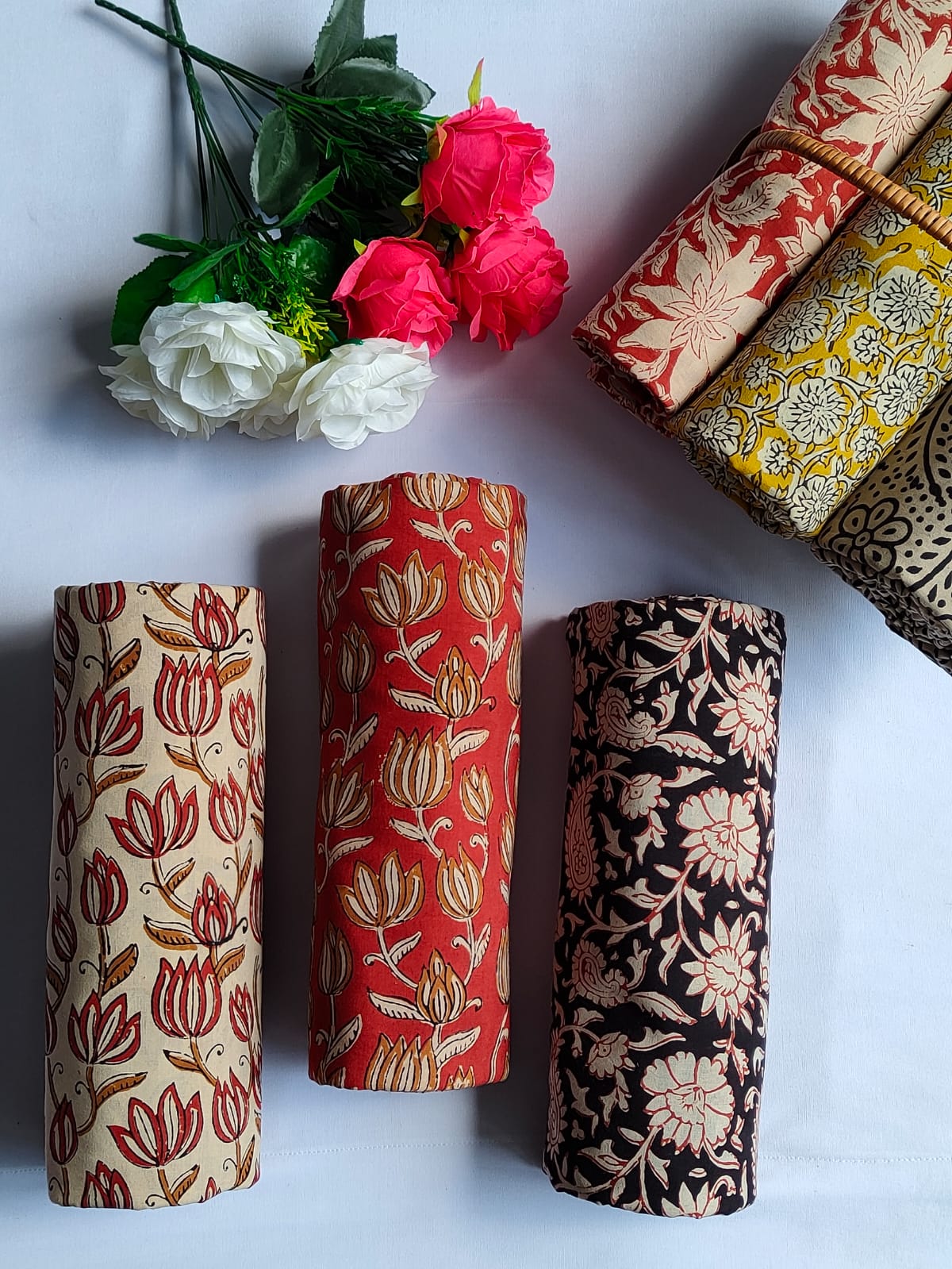


Cotton is one of the most important natural fibers in the global textile industry. It is used in everything from T-shirts, dresses, and denim jeans to bedsheets, curtains, baby clothing, and handcrafted textiles. Every year, millions of tons of cotton are grown, harvested, processed, and transformed into fabrics that reach consumers in nearly every country.
While cotton products are sold worldwide, many people are surprised to learn that a relatively small number of countries produce the majority of the world's cotton fibers. Climate, agricultural expertise, farming infrastructure, and textile industry demand all influence where cotton is grown and how it reaches global markets.
For fabric buyers, fashion brands, garment manufacturers, and textile enthusiasts, understanding where cotton fibers come from provides valuable insight into fabric quality, sourcing, pricing, and supply chains.
At Jaipur Bazar, we work extensively with cotton fabrics used in apparel, home furnishings, traditional textiles, and handcrafted fabric collections. Understanding the global cotton industry helps buyers make informed decisions when sourcing fabrics for fashion and textile projects.
In this guide, we'll explore where most cotton fibers come from around the world, how different regions contribute to global cotton production, and why certain countries dominate the cotton industry.
Understanding Cotton as a Global Commodity
Cotton is more than just a textile fiber. It is a major agricultural commodity traded across international markets.
Cotton supports:
- Farmers
- Textile Mills
- Fabric Manufacturers
- Garment Factories
- Fashion Brands
- Exporters
- Retail Businesses
The cotton supply chain connects agricultural regions with manufacturing centers and consumer markets across the globe.
Today, cotton is grown in over 70 countries, but a handful of nations account for the majority of global production.
Why Cotton Is Grown in Specific Regions
Cotton requires particular environmental conditions to thrive.
The ideal growing conditions include:
- Warm Temperatures
- Long Growing Seasons
- Plenty of Sunlight
- Moderate Rainfall
- Well-Drained Soil
Regions that consistently provide these conditions tend to become major cotton-producing areas.
India: One of the World's Largest Cotton Producers
India is consistently among the largest cotton-producing countries in the world. Cotton plays a central role in India's agricultural and textile economy.
Why India Produces So Much Cotton
India benefits from:
- Large Agricultural Areas
- Diverse Growing Regions
- Favorable Climate
- Strong Textile Manufacturing Sector
- Generations of Cotton Farming Expertise
Cotton is cultivated across several Indian states, including:
- Gujarat
- Maharashtra
- Telangana
- Rajasthan
- Punjab
- Haryana
- Madhya Pradesh
- Karnataka
- Andhra Pradesh
These regions collectively contribute a significant portion of global cotton production.
India's Importance in Textile Manufacturing
India is not only a major cotton producer but also a leading textile manufacturing hub.
Cotton grown in India is transformed into:
- Yarn
- Fabric
- Garments
- Home Textiles
- Handcrafted Textiles
Cities like Jaipur, Surat, Ahmedabad, Tiruppur, and Ludhiana play important roles in processing cotton into finished products.
China: A Major Cotton Producer and Consumer
China is another leading player in the cotton market.
Unlike some countries that focus primarily on cotton exports, China produces large quantities of cotton while also consuming significant volumes domestically.
Why Cotton Matters in China
- Large Textile Industry
- Mass Apparel Manufacturing
- Home Textile Production
- Export-Oriented Manufacturing
The country balances domestic production with imports to meet the needs of its vast manufacturing sector.
The United States: A Global Cotton Export Leader
The United States is one of the most efficient cotton-producing countries in the world.
American cotton is known for:
- Consistent Quality
- Advanced Farming Methods
- Modern Harvesting Technology
- Strong Export Infrastructure
Key Cotton-Producing States
- Texas
- Georgia
- Mississippi
- Arkansas
- Alabama
- North Carolina
The United States exports a substantial portion of its cotton production to textile manufacturers around the world.
Brazil: A Rising Cotton Powerhouse
Brazil has emerged as one of the fastest-growing cotton producers globally.
Factors driving growth include:
- Large-Scale Farming Operations
- Modern Agricultural Technology
- Favorable Growing Conditions
- Growing Export Demand
Today, Brazilian cotton is exported to numerous textile-producing countries.
Pakistan: A Key Cotton-Producing Nation
Pakistan has a long history of cotton cultivation and remains an important contributor to the global textile supply chain.
Cotton supports:
- Farmers
- Textile Mills
- Garment Manufacturers
- Export Businesses
Pakistan's cotton sector is closely tied to its textile exports and manufacturing economy.
Turkey: Connecting Cotton Production and Fashion
Turkey is well known for both cotton production and textile manufacturing.
Turkish cotton is often associated with:
- Softness
- Quality
- Durability
Turkey supplies cotton for fashion apparel, towels, home textiles, and premium textile products.
Uzbekistan: A Historic Cotton Producer
Uzbekistan has historically been one of the world's major cotton-producing countries.
Key strengths include:
- Extensive Agricultural Land
- Established Cotton Farming Traditions
- Export-Oriented Production
Australia: Smaller Volume, High Efficiency
Although Australia produces less cotton than some larger countries, it is known for highly efficient farming operations.
Australian cotton farming often emphasizes:
- Water Management
- Modern Agricultural Techniques
- High Productivity
Much of Australia's cotton is exported to textile-producing nations.
Africa's Growing Role in Cotton Production
Several African countries contribute significantly to global cotton supplies.
- Mali
- Benin
- Burkina Faso
- Tanzania
- Zimbabwe
- Côte d'Ivoire
Cotton serves as an important cash crop and source of income for many farming communities across Africa.
How Global Cotton Moves Through Supply Chains
Cotton rarely stays in the country where it is grown.
A typical cotton journey may look like this:
- Cotton is grown in one country.
- Fiber is processed into yarn in another country.
- Fabric is woven or knitted elsewhere.
- Garments are manufactured in a different region.
- Finished products are sold globally.
This international movement makes cotton one of the world's most traded agricultural commodities.
The Difference Between Cotton Production and Cotton Manufacturing
Many people assume that countries producing cotton are automatically the largest textile manufacturers.
This is not always the case.
Cotton Production Countries
- United States
- Brazil
- Australia
These countries focus heavily on farming and fiber production.
Cotton Manufacturing Countries
- India
- China
- Bangladesh
- Vietnam
These countries focus extensively on spinning, weaving, dyeing, and garment manufacturing.
What Determines Cotton Quality?
Not all cotton fibers are identical.
Several factors influence cotton quality:
- Climate
- Soil Conditions
- Cotton Variety
- Harvesting Practices
- Processing Standards
High-quality cotton typically offers better softness, stronger fibers, enhanced durability, and improved comfort.
Types of Cotton Commonly Used in Fabrics
Upland Cotton
The most widely grown cotton variety worldwide and the primary source of cotton used in everyday textiles.
Long Staple Cotton
Known for good strength, smooth texture, and premium fabric performance.
Extra Long Staple Cotton
Often used in luxury textiles because of its exceptional softness and longer fibers.
How Cotton Reaches Fabric Manufacturers
After harvesting, cotton goes through multiple stages before becoming fabric:
- Ginning
- Cleaning
- Spinning
- Weaving or Knitting
- Dyeing and Printing
- Finishing
The resulting fabrics are then used by garment manufacturers and fashion brands worldwide.
Why Cotton Remains the Preferred Fiber for Clothing
Despite the rise of synthetic fibers, cotton continues to dominate many apparel categories.
- Comfortable
- Breathable
- Natural
- Durable
- Versatile
- Easy to Maintain
Jaipur's Connection to Global Cotton
Jaipur has long been associated with cotton textiles and traditional fabric craftsmanship.
Many cotton fabrics produced and sold through Jaipur's textile sector use cotton sourced through India's extensive cotton supply chain.
Popular Jaipur Bazar collections include:
- Plain Cotton Fabrics
- Cotton Cambric Fabrics
- Hand Block Print Fabrics
- Bagru Print Fabrics
- Dabu Print Fabrics
- Indigo Fabrics
Why Cotton Source Matters for Fabric Buyers
Understanding cotton origins helps evaluate:
- Supply Reliability
- Material Consistency
- Manufacturing Opportunities
- Pricing Trends
- Sourcing Strategies
As consumers become more interested in fabric quality and transparency, knowing where cotton comes from becomes increasingly valuable.
The Future of Global Cotton Production
The cotton industry continues to evolve.
Farmers and manufacturers are increasingly focused on:
- Efficient Water Use
- Better Farming Practices
- Improved Crop Productivity
- Enhanced Fiber Quality
- Responsible Sourcing
Technological advancements are helping cotton-producing countries improve yields while meeting growing textile demand.
Final Thoughts
Most of the world's cotton fibers come from a handful of major producing countries, including India, China, the United States, Brazil, Pakistan, Turkey, Uzbekistan, and Australia.
At Jaipur Bazar, we celebrate the journey of cotton from field to fabric. Whether you're sourcing Pure Cotton Fabrics, Cotton Cambric Fabrics, Plain Cotton Fabrics, or traditional handcrafted textiles, every fabric begins with carefully cultivated cotton fibers grown in some of the world's most important agricultural regions.
Understanding where cotton fibers come from helps fabric buyers, designers, and businesses make informed sourcing decisions while appreciating the global journey behind every piece of cotton fabric.