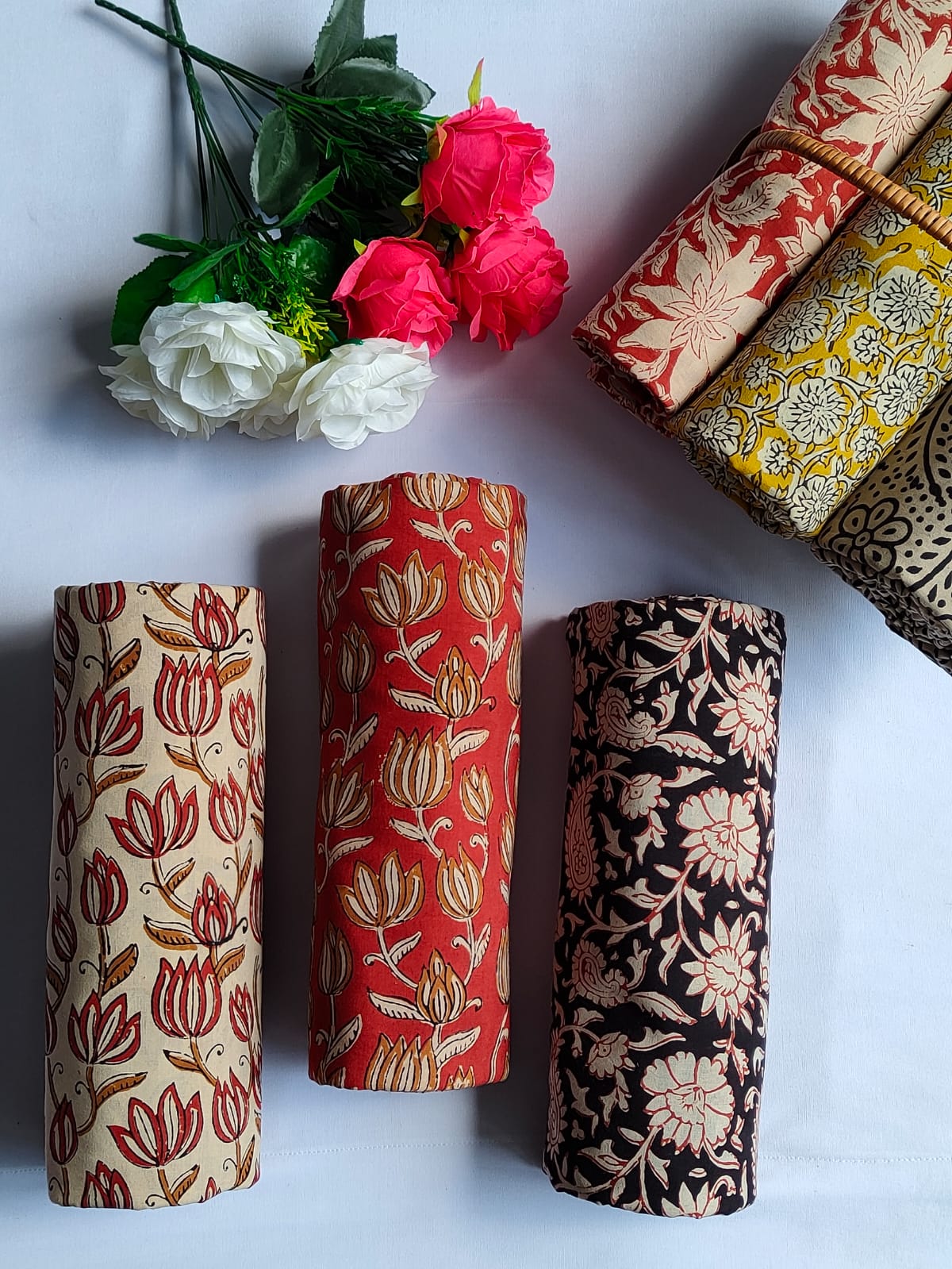


As more consumers become conscious of how products are made, sustainability has become an important topic across the textile industry. Whether you're a fashion brand, garment manufacturer, home décor business, or someone who enjoys sewing and crafting, you've likely come across terms like organic cotton, sustainable textiles, eco-friendly fabrics, and responsible sourcing.
One question that often comes up is: Are there eco-friendly options for plain cotton fabric?
The answer is yes.
Today, there are several environmentally conscious alternatives available within the cotton fabric industry. However, understanding what makes a cotton fabric truly eco-friendly requires looking beyond marketing claims and exploring how cotton is grown, processed, dyed, and manufactured.
At Jaipur Bazar, we offer a wide range of cotton textiles including Plain Cotton Fabrics, Cotton Cambric Fabrics, Mulmul Fabrics, Hand Block Print Fabrics, Bagru Print Fabrics, Dabu Print Fabrics, Indigo Fabrics, and other artisan cotton collections that are valued by designers, brands, and textile enthusiasts worldwide.
Understanding the Environmental Impact of Conventional Cotton
Before discussing eco-friendly alternatives, it's important to understand why sustainability has become such a major conversation within the cotton industry.
Cotton is a natural fiber, which already gives it certain environmental advantages compared to petroleum-based synthetic materials. However, traditional cotton cultivation can still create environmental challenges.
These may include:
- High water consumption
- Chemical pesticide use
- Synthetic fertilizers
- Soil degradation
- Water pollution
- Energy-intensive processing
Not every cotton farm operates the same way, but these concerns have encouraged many producers to adopt more sustainable farming and manufacturing practices.
What Makes a Cotton Fabric Eco-Friendly?
A cotton fabric becomes more environmentally responsible when efforts are made to reduce its impact throughout the production process.
This can involve improvements in:
- Farming methods
- Water usage
- Chemical management
- Dyeing processes
- Manufacturing practices
- Waste reduction
- Transportation efficiency
It's important to understand that sustainability exists on a spectrum. Some fabrics may be more environmentally friendly than others without being completely impact-free.
Organic Cotton: One of the Most Popular Eco-Friendly Choices
When people think about sustainable cotton, organic cotton is usually the first option that comes to mind.
Organic cotton is grown using farming methods that limit or avoid many synthetic chemicals commonly used in conventional agriculture.
These practices generally focus on:
- Natural soil management
- Crop rotation
- Biodiversity
- Reduced synthetic pesticide use
- Reduced synthetic fertilizer use
Benefits of Organic Cotton
Reduced Chemical Exposure
Organic farming systems typically rely less on synthetic chemical inputs, helping support healthier ecosystems.
Soil Health
Many organic farming approaches emphasize maintaining healthy soil for long-term agricultural productivity.
Biodiversity
Organic farms often encourage greater biodiversity compared to intensive conventional farming systems.
Consumer Confidence
Many consumers actively seek organic products because they value environmentally conscious sourcing.
Better Cotton and Responsible Cotton Programs
Not every sustainable cotton option is fully organic. Many cotton producers participate in responsible sourcing programs that focus on improving environmental performance while maintaining practical farming operations.
These programs often emphasize:
- Efficient water use
- Improved farming practices
- Reduced chemical dependency
- Better worker conditions
- Long-term sustainability
Recycled Cotton Fabrics
Another eco-friendly option is recycled cotton.
Instead of producing entirely new cotton fibers, recycled cotton uses existing textile materials to create new fabrics.
Sources may include:
- Manufacturing waste
- Fabric scraps
- Used garments
- Textile production leftovers
Advantages of Recycled Cotton
Waste Reduction
Recycled cotton helps keep textile materials in circulation and reduces landfill waste.
Resource Conservation
Because existing fibers are reused, fewer new raw materials may be required.
Lower Environmental Impact
Depending on production methods, recycled cotton can reduce resource demands associated with conventional cotton production.
Natural Dyeing and Eco-Friendly Textile Traditions
Sustainability isn't only about the cotton itself. The dyeing and printing processes also play a significant role.
Hand Block Print Fabrics
Hand Block Print Fabrics represent one of India's most respected textile traditions.
Unlike mass-produced printed fabrics, block printing is often performed manually using carved wooden blocks.
Benefits may include:
- Lower energy requirements
- Artisan craftsmanship
- Small-batch production
- Reduced industrial processing
Bagru Print Fabrics
Bagru Print Fabrics originate from Rajasthan and are known for traditional printing techniques and artisan craftsmanship.
These fabrics are valued for:
- Natural aesthetics
- Traditional methods
- Authentic handmade appeal
- Cultural significance
Dabu Print Fabrics
Dabu Print Fabrics use a traditional mud-resist printing process that has been practiced for generations.
The handcrafted nature of Dabu printing appeals to buyers looking for textiles that reflect heritage craftsmanship.
Indigo Fabrics and Natural Dye Traditions
Indigo Fabrics remain among the most popular artisan cotton textiles worldwide.
Natural indigo dyeing traditions continue to attract buyers who appreciate:
- Traditional craftsmanship
- Heritage production methods
- Unique color variations
- Artisanal character
Is Plain Cotton Fabric More Sustainable Than Synthetic Fabric?
Cotton Is a Natural Fiber
Cotton originates from a plant and is a renewable natural resource.
Synthetic Fabrics Are Petroleum-Based
Many synthetic fabrics are produced from petroleum-derived materials, including:
- Polyester
- Nylon
- Acrylic
Microplastic Concerns
Some synthetic fabrics can shed microplastics during washing. Cotton does not contribute to this type of synthetic microplastic pollution.
Choosing Quality Over Quantity
Sustainability is not only about material selection. It also involves buying products that last.
When evaluating fabric purchases, consider:
- Durability
- Construction quality
- Intended use
- Longevity
A durable fabric that remains useful for years often creates less waste over time.
Eco-Friendly Plain Cotton Fabrics for Fashion Brands
Fashion brands increasingly seek fabrics that align with sustainability goals.
Popular options include:
- Organic cotton
- Responsibly sourced cotton
- Recycled cotton
- Naturally dyed fabrics
Consumers are becoming more interested in how products are made and where materials originate.
Eco-Friendly Cotton Fabrics for Home Furnishings
Cotton fabrics are commonly used for:
- Curtains
- Cushion covers
- Bedding
- Table linens
- Decorative accessories
Many consumers prefer natural fiber products because they offer comfort, breathability, and timeless appeal.
The Role of Fabric Longevity in Sustainability
One often-overlooked aspect of sustainability is product lifespan.
Factors that contribute to longevity include:
- Quality cotton fibers
- Strong fabric construction
- Proper care
- Appropriate usage
Choosing durable fabrics can reduce the need for frequent replacement.
Questions to Ask When Buying Eco-Friendly Cotton Fabric
Where Is the Cotton Sourced?
Understanding the source can provide insight into farming and production practices.
Is the Fabric Organic?
Organic certification may indicate adherence to specific agricultural standards.
What Dyeing Methods Are Used?
Dyeing processes can significantly influence environmental impact.
Is the Fabric Durable?
Long-lasting products often support sustainability goals.
Does the Supplier Provide Transparency?
Clear information helps buyers make informed sourcing decisions.
Why Many Buyers Appreciate Traditional Cotton Textiles
Traditional cotton fabrics often reflect slower production methods and skilled craftsmanship.
Examples include:
These textiles provide a connection to heritage, craftsmanship, and artisan expertise.
Sustainable Fabric Choices at Jaipur Bazar
At Jaipur Bazar, we believe quality and craftsmanship remain essential parts of responsible textile sourcing.
Our collections include:
- Plain Cotton Fabrics
- Cotton Cambric Fabrics
- Mulmul Fabrics
- Hand Block Print Fabrics
- Bagru Print Fabrics
- Dabu Print Fabrics
- Indigo Fabrics
- Screen Print Fabrics
Many of these fabrics reflect textile traditions that have been practiced and refined for generations.
Making Better Fabric Choices as a Consumer
Sustainability does not require perfection. Small decisions can make a meaningful difference.
Consider:
- Buying quality fabrics
- Choosing durable products
- Supporting responsible suppliers
- Selecting natural fibers when appropriate
- Reducing unnecessary waste
- Reusing fabric scraps whenever possible
Final Thoughts
Eco-friendly options for plain cotton fabric are more accessible today than ever before. From organic cotton and recycled cotton to artisan-made textiles and responsible sourcing initiatives, buyers have many opportunities to make more informed fabric choices.
Whether you're sourcing Plain Cotton Fabrics, Cotton Cambric, Mulmul, Hand Block Prints, Bagru Prints, Dabu Prints, or Indigo Fabrics, thoughtful sourcing can help create products that are beautiful, functional, and more environmentally conscious.
The future of textiles is not simply about producing more fabric. It is about producing better fabrics, using resources responsibly, and creating products that people value for years to come.
Related Blogs:
How can I identify high-quality cotton fabric?
What are the main types of cotton used in fabric production?
How does cotton fabric compare to synthetic fabrics in terms of comfort and durability?
What are the common uses of cotton fabric in clothing?
What are the best ways to care for and wash woven cotton fabrics?
What are the different types of cotton fabrics available?
How do I choose the best plain cotton fabric for my sewing project?
What are the different types of cotton fabric and their uses?
Can I find drops cotton-lin yarn for knitting projects?
What are the benefits of choosing 100% cotton fabric for clothing and textiles?
How can I identify high-quality woven cotton fabric?
How is cotton fabric produced and processed?
What are the main types of plain cotton fabrics used in clothing?
Where do most cotton fibers come from around the world?
What are some popular uses for cotton fabric in home decor?
What are the different types of woven cotton fabrics used in clothing?
How does the quality of IKEA cotton fabric compare to other brands?
Where can I buy high-quality plain cotton fabric online?
Where can I buy the most affordable woven cotton fabrics online?