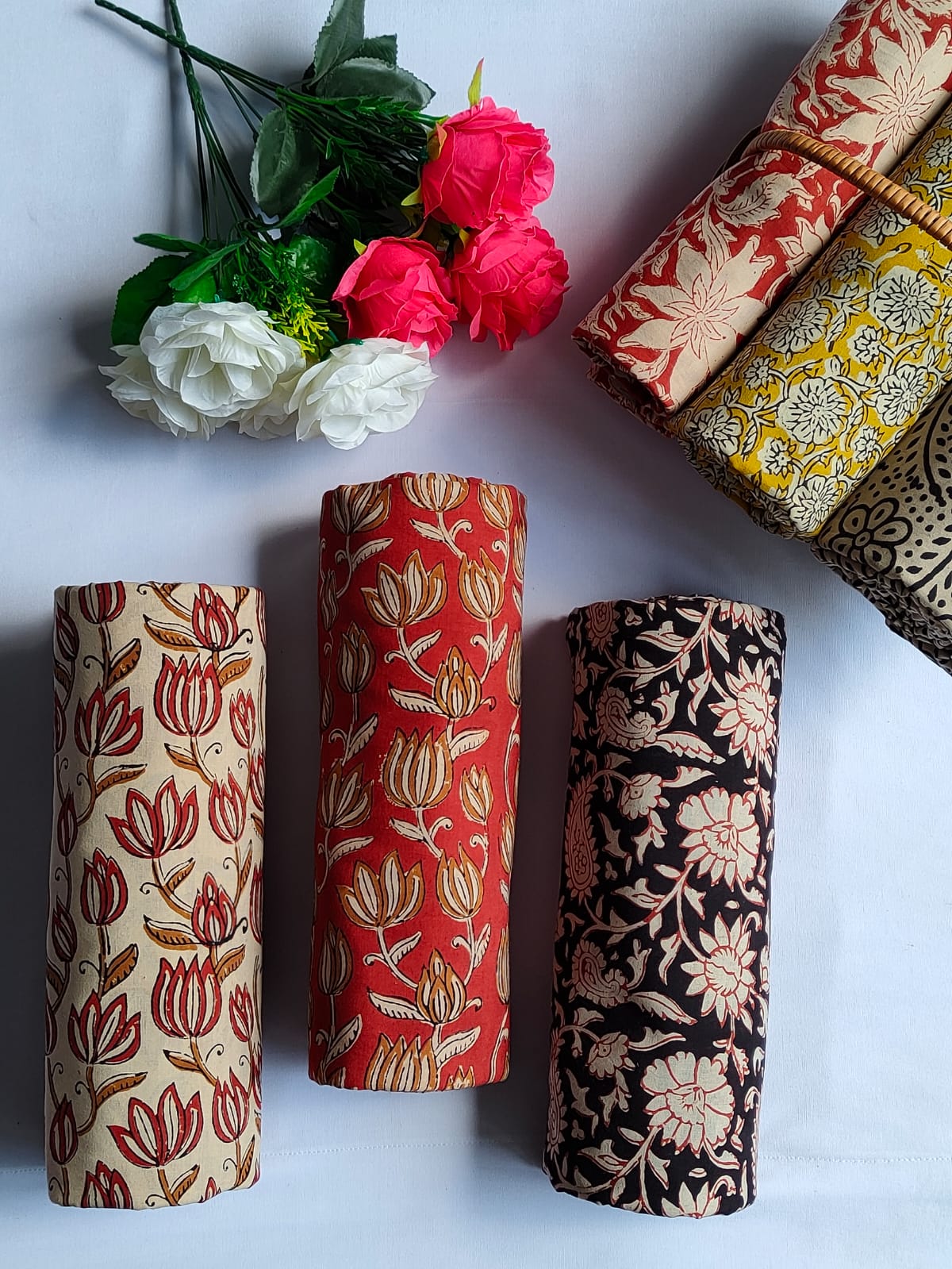


Soft cotton clothing is loved for its comfort, breathability, and gentle feel against the skin. Whether it is a favorite cotton T-shirt, a cozy night suit, a breathable kurti, or a premium cotton dress, proper care plays a major role in preserving its softness over time.
Many people assume cotton naturally stays soft forever, but repeated washing, harsh detergents, high-heat drying, mineral buildup from hard water, and improper storage can gradually make cotton fabrics feel rough, stiff, or worn out.
Fortunately, maintaining the softness of cotton clothing does not require complicated treatments. Understanding how cotton fibers react to water, detergent, friction, heat, and drying can help you protect your garments and keep them comfortable for longer.
In this guide, you will learn how to wash, dry, store, and care for soft cotton clothing so it continues to feel breathable, smooth, and comfortable after repeated use.
Related Cotton Care Guides
Why Does Cotton Clothing Lose Its Softness?
Cotton fibers naturally have a comfortable and pleasant feel, but the way a garment is washed and dried can gradually change its surface texture.
Several factors can cause soft cotton clothing to become rough:
- Hard-water minerals accumulating in the fabric
- Excess detergent remaining between the fibers
- Repeated friction during aggressive wash cycles
- Very hot washing water
- High dryer temperatures
- Excessive fabric-softener residue
- Frequent bleaching
- Overwashing garments that do not need cleaning yet
The fabric itself may still be in good condition even when it begins to feel slightly stiff. In many cases, adjusting the washing routine and reducing detergent or heat can help preserve a softer feel.
Understand the Type of Cotton Fabric You Are Washing
Not every cotton garment behaves exactly the same way. Cotton can be woven or knitted into many different fabrics, and each construction affects softness, drape, thickness, and washing behavior.
Some commonly used soft cotton fabrics include:
- Cotton cambric
- Mulmul cotton
- 60x60 cotton
- Cotton poplin
- Cotton voile
- Fine plain cotton
- Brushed cotton
- Cotton jersey
You can explore different options through Jaipur Bazar's Plain Cotton Fabrics, Cotton Cambric Fabrics, Mulmul Cotton Fabrics, and 60x60 Cotton Fabrics collections.
For a broader understanding of cotton varieties, read What Are the Different Types of Cotton Fabrics Available?
Why Proper Washing Matters for Soft Cotton Clothing
Every washing cycle exposes cotton fibers to water, detergent, movement, and friction. None of these is necessarily harmful when used correctly, but aggressive washing over a long period can affect the surface of the fabric.
Improper washing may contribute to:
- Surface roughness
- Color fading
- Shrinkage
- Fiber wear
- Loss of shape
- Print deterioration
A gentler washing routine helps maintain softness while also supporting the garment's shape, appearance, and useful life.
1. Always Check the Garment Care Label First
The care label should be your first reference before washing any cotton garment. Even if two garments are both described as cotton, they may have different finishes, blends, dyes, trims, embroidery, or construction methods.
A care label may tell you:
- Recommended washing temperature
- Whether machine washing is suitable
- Recommended drying method
- Ironing temperature
- Whether bleach should be avoided
- Whether the garment requires special handling
If the manufacturer's instructions differ from general cotton-care advice, follow the garment label.
2. Sort Cotton Clothing Before Washing
Sorting is not only about preventing colors from bleeding. It also helps reduce unnecessary friction between fabrics of very different weights and textures.
Sort by Color
Separate garments into groups such as:
- Whites
- Light colors
- Dark colors
- Bright or strongly dyed garments
Sort by Fabric Weight
Try not to wash delicate or lightweight cotton garments with very heavy items such as:
- Denim jeans
- Heavy towels
- Thick jackets
- Workwear
Heavy textiles can rub against softer cotton garments throughout the wash cycle. Over time, this additional abrasion may affect the smooth surface of the fabric.
3. Wash Soft Cotton in Cold or Lukewarm Water
For many everyday cotton garments, cold or lukewarm water is sufficient. Lower washing temperatures are particularly useful when your goal is to preserve softness, reduce shrinkage, and protect colors.
Cool washing can help:
- Reduce unnecessary fiber stress
- Preserve garment shape
- Limit color fading
- Reduce shrinkage risk
- Maintain a comfortable surface texture
Very hot water should generally be reserved for situations where the care label specifically allows it and where a higher temperature is genuinely required.
4. Choose a Mild Detergent
The detergent you use can influence how cotton feels after washing. Strong detergents may be useful for heavily soiled laundry, but they are not always necessary for everyday soft cotton garments.
For regular cotton clothing, consider a detergent that is:
- Mild
- Suitable for colored or delicate clothing
- Easy to rinse
- Appropriate for the washing machine being used
Be especially careful with strong bleach, heavy-duty stain removers, and aggressive chemical treatments unless they are genuinely needed.
5. Do Not Use Too Much Detergent
Using extra detergent does not automatically make clothes cleaner. In fact, too much detergent can be one of the reasons cotton begins to feel stiff.
When detergent is not fully rinsed away, residue may remain within the fabric. This can affect the natural feel of soft cotton and sometimes make garments feel less breathable.
Use the recommended quantity based on:
- Load size
- Water hardness
- Garment soil level
- Detergent concentration
If clean cotton clothing repeatedly feels stiff after washing, detergent buildup is one possible cause worth considering.
6. Turn Cotton Garments Inside Out
Turning garments inside out is a simple habit that can protect both softness and appearance.
It is particularly useful for:
- Printed cotton clothing
- Embroidered garments
- Dark colors
- Decorative surfaces
- Frequently worn cotton clothing
The outer surface receives less direct rubbing against the washing-machine drum and other garments, which can help preserve prints and finishes.
7. Use a Gentle or Appropriate Wash Cycle
You do not necessarily need the most delicate program for every cotton garment, but softer and lighter fabrics usually benefit from less aggressive washing.
Depending on the garment, suitable options may include:
- Gentle cycle
- Delicate cycle
- Normal cotton cycle with moderate spin
Aggressive washing is rarely necessary for lightly worn garments.
8. Avoid Overloading the Washing Machine
When a washing machine is packed too tightly, garments cannot move or rinse properly. This can result in detergent residue, excessive creasing, and more fabric-to-fabric friction.
Leaving adequate space in the machine allows:
- Water to circulate
- Detergent to distribute evenly
- Garments to rinse properly
- Fabric to move without excessive compression
9. Limit Bleach on Soft Cotton
Bleach can be useful in specific situations, particularly for some white garments, but repeated or unnecessary bleaching can be harsh on cotton fibers.
Excessive use may contribute to:
- Fiber weakening
- Fabric thinning
- Surface roughness
- Color damage
Always check the care label before using bleach or stain-removal chemicals.
10. Be Careful with Fabric Softener
Commercial fabric softener can make garments feel smoother initially, but using too much may coat the fibers and leave residue behind.
This is especially relevant when softness is being maintained through good washing practices rather than simply adding a surface coating.
If you use fabric softener, use the recommended quantity rather than adding more in an attempt to make the garment softer.
Can White Vinegar Help Keep Cotton Soft?
Some people use a small amount of plain white vinegar in the rinse cycle to help remove detergent and mineral residue. This may be useful where hard water or detergent buildup is contributing to stiffness.
However, it should not be treated as a universal requirement for every cotton garment. Always consider the garment's dyes, trims, finishes, and care instructions before adding any additional laundry product.
What Is the Best Way to Dry Soft Cotton Clothing?
Drying is just as important as washing. Excessive heat is one of the easiest ways to shrink cotton garments or make them feel unnecessarily stiff.
Air Drying Soft Cotton
Air drying is one of the gentlest options for many cotton garments.
Benefits include:
- Reduced exposure to heat
- Lower shrinkage risk
- Less mechanical friction
- Better shape preservation
When drying outdoors, avoid leaving deeply colored garments under strong direct sunlight for unnecessarily long periods, as repeated exposure may contribute to fading.
Tumble Drying Cotton Clothing
If you prefer a tumble dryer and the care label permits machine drying, select a low or moderate heat setting.
Avoid leaving garments in the dryer much longer than necessary.
Why Overdrying Can Make Cotton Feel Rough
Overdrying removes moisture aggressively and exposes cotton to prolonged heat and tumbling. This can contribute to shrinkage, surface wear, and a harsher feel.
Whenever practical, remove cotton garments promptly once they are dry or slightly damp enough to finish naturally.
How to Maintain Softness Without Relying on Heavy Fabric Softeners
The best long-term softness strategy starts with reducing the things that make cotton rough in the first place.
Focus on:
- Using an appropriate amount of detergent
- Washing at moderate temperatures
- Reducing unnecessary friction
- Rinsing garments thoroughly
- Avoiding excessive dryer heat
- Preventing mineral and detergent buildup
Softness should come primarily from protecting the fabric rather than repeatedly coating it with additional products.
How Often Should Soft Cotton Clothing Be Washed?
Not every garment needs to be washed after every short period of wear. Washing frequency depends on how the clothing is used.
Usually Wash After Each Wear
- Undergarments
- Socks
- Clothing exposed to heavy perspiration
- Activewear
May Be Worn More Than Once When Clean
- Outer shirts
- Some dresses
- Light jackets
- Overshirts
- Occasion wear
Avoiding unnecessary washing reduces friction and helps extend garment life.
How to Care for Printed Soft Cotton Clothing
Printed cotton requires attention to both the fabric and the printed surface. This is particularly important for traditional and artisan prints.
Jaipur Bazar includes cotton fabrics created using techniques such as Hand Block Printing, Bagru Printing, Dabu Printing, Indigo Printing, Batik Printing, and Sanganeri Printing.
For printed cotton garments:
- Wash inside out
- Prefer cool water
- Use mild detergent
- Avoid unnecessary bleaching
- Dry in shade where appropriate
- Iron from the reverse side when necessary
The exact care method should still depend on the particular print, dye, and manufacturer's instructions.
How to Care for Mulmul Cotton Clothing
Mulmul cotton is appreciated for its lightweight, airy, and exceptionally soft character. Because the fabric can be finer than heavier cotton constructions, gentle handling is especially useful.
For mulmul clothing:
- Use a gentle wash cycle
- Avoid washing with heavy denim or towels
- Use mild detergent
- Avoid excessive twisting or wringing
- Dry carefully to preserve the fabric's shape
How to Care for Cotton Cambric Clothing
Cotton cambric has a fine, smooth woven surface and is commonly used for dresses, kurtis, tops, and other lightweight garments.
To maintain its smooth finish:
- Wash with similar lightweight fabrics
- Use a mild detergent
- Avoid unnecessarily high temperatures
- Iron according to the garment label
How to Care for 60x60 Cotton Clothing
60x60 cotton fabric is widely used for everyday garments because it provides a useful balance between softness, breathability, structure, and durability.
Regular gentle washing and moderate drying temperatures are usually sufficient to maintain comfortable everyday garments made from this fabric.
Does Fabric Thickness Affect Softness and Breathability?
Fabric weight and thickness influence how cotton feels when worn. Lightweight fabrics usually feel more airy, while heavier constructions offer additional structure and durability.
However, thickness alone does not determine comfort. Yarn quality, weave density, finishing, and fiber quality also matter.
For a detailed explanation, read How Does the Thickness of Cotton Fabric Affect Its Breathability?
How to Store Soft Cotton Clothing
Good care does not end once laundry is dry. Long-term storage can also affect the condition of cotton garments.
For everyday storage:
- Ensure clothing is completely dry
- Store in a clean, dry location
- Fold heavy garments rather than stretching them on hangers
- Avoid damp cupboards
- Do not compress delicate cotton excessively
- Keep long-term storage breathable where possible
Moisture is particularly important to avoid because damp garments can develop odors, mildew, or staining.
How to Iron Soft Cotton Without Making It Feel Flat or Harsh
Many cotton garments respond well to ironing, but the correct temperature depends on the garment and fabric finish.
General practices include:
- Check the care label first
- Iron slightly damp cotton when appropriate
- Use moderate heat for delicate cotton
- Iron printed garments from the reverse side
- Avoid repeatedly pressing decorative surfaces
Common Laundry Mistakes That Can Make Cotton Rough
If your cotton clothing feels soft when purchased but gradually becomes stiff, examine your laundry routine for these common mistakes.
Using Excess Detergent
Detergent left in the fabric can make clothing feel coated or stiff.
Washing Everything in Hot Water
High temperatures are not necessary for every garment and may increase shrinkage or fiber stress.
Overloading the Washing Machine
Overloading prevents proper rinsing and increases friction.
Drying Everything on Maximum Heat
High dryer temperatures may damage the feel and fit of cotton garments.
Mixing Delicate Cotton with Heavy Fabrics
Heavy denim and towels can create unnecessary abrasion.
Using Too Much Fabric Softener
Excessive product buildup can interfere with the natural feel of cotton rather than improving it.
Can Cotton Clothing Become Soft Again After It Feels Stiff?
Sometimes. If stiffness is caused primarily by detergent or mineral residue, improving rinsing, reducing detergent quantity, and adjusting water treatment may help.
If the fabric has become rough because the fibers themselves are heavily worn or damaged, however, washing adjustments cannot completely restore the original texture.
This is another reason preventive care is more effective than trying to repair badly worn fabric later.
How Quality Affects Long-Term Cotton Softness
Laundry technique matters, but the starting quality of the fabric is equally important. Fiber quality, yarn construction, weaving, finishing, and garment manufacturing all influence how cotton changes over time.
Read How to Identify High-Quality Cotton Fabric if you want to understand what to look for before buying.
You may also find Benefits of 100% Cotton Fabric useful when comparing natural cotton with other textile options.
Shop Related Cotton Fabrics
Frequently Asked Questions About Caring for Soft Cotton Clothing
Should I wash soft cotton clothing in cold water?
Cold or lukewarm water is suitable for many soft cotton garments and can help reduce unnecessary shrinkage, color fading, and fiber stress. Always check the garment's care label first.
Why does my cotton clothing feel hard after washing?
Possible causes include detergent residue, hard-water minerals, excessive heat, overdrying, or repeated aggressive washing.
Does more fabric softener make cotton softer?
Not necessarily. Too much fabric softener can leave residue on the fibers. Good rinsing, moderate washing temperatures, and avoiding excessive heat are more important for long-term fabric care.
Can I machine wash soft cotton?
Many cotton garments can be machine washed, but the correct cycle depends on the fabric weight, garment construction, trims, print, and care label.
Should cotton garments be washed inside out?
It is particularly helpful for printed, embroidered, dark-colored, and decorative cotton garments because it reduces direct surface abrasion.
Can soft cotton shrink?
Yes. Cotton can experience some shrinkage, particularly when exposed to high washing or drying temperatures. Following the care label and avoiding unnecessary heat can reduce the risk.
Is air drying better for cotton?
Air drying is a gentle option for many cotton garments because it reduces exposure to dryer heat and tumbling. However, the garment's care instructions should always guide the drying method.
How can I keep printed cotton soft and colorful?
Use mild detergent, cool water, gentle washing, and appropriate shade drying. Washing inside out can also reduce direct friction against the printed surface.
Related Articles
- How Can I Identify High-Quality Soft Cotton Fabric?
- How Can I Identify High-Quality Cotton Apparel?
- How Can I Tell If a Fabric Is Made of Pure Cotton?
- Best Ways to Care and Wash Woven Cotton Fabrics
- What Are the Benefits of 100% Cotton Fabric?
- How Does the Thickness of Cotton Fabric Affect Its Breathability?
- Types of Cotton Fabric and Their Uses
- Different Types of Cotton Fabrics Available
Final Thoughts
Keeping soft cotton clothing comfortable is less about using special products and more about following a consistent care routine. Use an appropriate amount of mild detergent, avoid unnecessarily hot water, reduce friction during washing, rinse garments thoroughly, and avoid exposing cotton to excessive dryer heat.
It is also important to treat different cotton constructions appropriately. Fine mulmul cotton may require gentler handling than a more structured 60x60 cotton fabric, while printed and artisan-dyed fabrics may require additional attention to color and surface design.
Most importantly, always begin with the garment's care label. When good-quality cotton is paired with sensible washing, drying, and storage practices, its natural softness, breathability, and everyday comfort can be enjoyed for much longer.