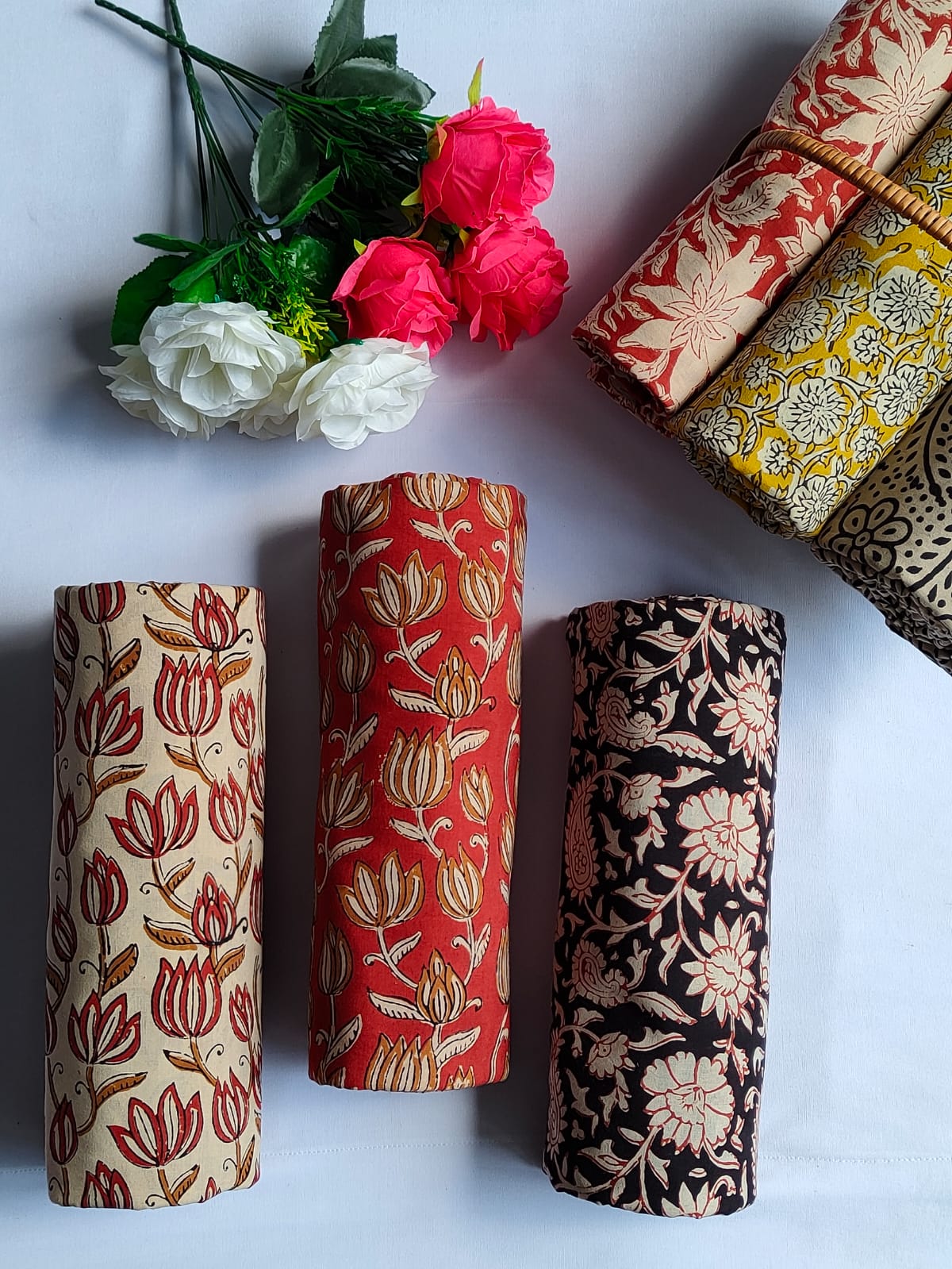


Cotton apparel remains one of the most popular choices for clothing because of its comfort, breathability, durability, and versatility. However, not all cotton garments are created equal. Two shirts may both carry a "100% Cotton" label, yet one may remain soft and durable for years while the other loses shape, fades, or pills after a few washes.
The quality of cotton apparel depends on multiple factors, including fiber quality, yarn construction, fabric weight, weave structure, garment stitching, dyeing methods, and finishing processes. Understanding these factors can help you make informed purchasing decisions and choose clothing that offers long-term value.
Whether you're shopping for t-shirts, shirts, dresses, kurtis, sleepwear, kidswear, or premium fashion garments, this guide will help you identify high-quality cotton apparel before making a purchase.
Why Cotton Apparel Is So Popular
Cotton has been trusted for centuries because it is naturally breathable, soft, absorbent, and comfortable against the skin. High-quality cotton apparel allows air circulation, absorbs moisture, and provides comfort throughout the day.
To understand why cotton remains one of the world's most preferred textile fibers, read our guide on Benefits of 100% Cotton Fabric.
Why All Cotton Clothing Is Not the Same
Many buyers assume that a "100% Cotton" label automatically guarantees quality. In reality, cotton quality varies significantly depending on the type of cotton fiber used and how the garment is manufactured.
Several factors influence the quality of cotton apparel:
- Cotton fiber length
- Yarn quality
- Fabric weight
- Fabric construction
- Dyeing quality
- Stitching standards
- Finishing treatments
- Garment manufacturing processes
This means two garments labeled as cotton can perform very differently after repeated wear and washing.
Check the Fabric Composition Label
One of the easiest ways to begin evaluating cotton apparel is by examining the garment label.
Look for:
- 100% Cotton
- Pure Cotton
- Organic Cotton
Be cautious of terms such as:
- Cotton Rich
- Cotton Blend
- Cotton Feel
- Cotton Touch
These descriptions often indicate the presence of synthetic fibers that can alter comfort and performance.
To better understand cotton fiber varieties, visit: Main Types of Cotton Used in Fabric Production.
Evaluate the Feel of the Fabric
Touch remains one of the most reliable indicators of cotton quality.
High-quality cotton generally feels:
- Soft but substantial
- Smooth and consistent
- Comfortable against the skin
- Natural rather than synthetic
Low-quality cotton often feels:
- Rough
- Thin
- Overly stiff
- Artificially smooth due to heavy chemical finishes
Premium cotton garments maintain their softness even after repeated washing.
Look for Long-Staple Cotton
One of the biggest indicators of cotton quality is fiber length. Longer fibers create stronger, smoother, and softer yarns, resulting in garments that last longer and resist pilling.
Premium cotton varieties often include:
- Pima Cotton
- Supima Cotton
- Egyptian Cotton
- Extra Long Staple (ELS) Cotton
Longer fibers produce smoother fabrics, fewer loose fiber ends, improved durability, and better overall comfort.
Check Fabric Weight and Density
Fabric weight plays a major role in determining apparel quality.
Higher-quality cotton garments typically feel substantial without being heavy. Extremely thin fabrics may indicate cost-cutting during production.
Hold the garment toward a light source.
Ask yourself:
- Does the fabric appear overly transparent?
- Is the weave uniform?
- Does it feel durable?
Quality cotton fabrics generally display a consistent weave structure and balanced fabric density.
Inspect the Weave Construction
The weave structure affects both durability and appearance.
Quality cotton apparel should exhibit:
- Even weave patterns
- Consistent yarn spacing
- Minimal irregularities
- Balanced construction
Poor-quality fabrics often show loose weaving, uneven yarn distribution, and inconsistent texture.
Learn more about fabric constructions in: Different Types of Woven Cotton Fabrics Used in Clothing.
Examine the Stitching Quality
Even the best fabric can be ruined by poor garment construction.
Look at the Seams
Quality apparel should feature:
- Straight seams
- Consistent stitching
- No loose threads
- Secure seam finishes
Check Stitch Density
Higher stitch density generally improves durability.
Look for:
- Uniform stitches
- Tight construction
- Reinforced stress points
Inspect the Inside
Turn the garment inside out whenever possible.
Premium garments often display:
- Neat seam finishes
- Professional workmanship
- Clean interior construction
Check Shape Retention
Quality cotton apparel should retain its shape during wear and after washing.
Signs of good shape retention include:
- Stable shoulder seams
- Structured collars
- Consistent proportions
- Minimal stretching
Low-quality garments often become distorted after repeated laundering.
Assess Pilling Resistance
Pilling occurs when loose fibers form small balls on the fabric surface.
High-quality cotton garments resist pilling because they are produced using:
- Longer cotton fibers
- Superior spinning methods
- Higher-quality yarn construction
Excessive pilling shortly after purchase often indicates lower-quality fibers.
Inspect Color and Dye Quality
Color consistency provides valuable insight into manufacturing standards.
Look for:
- Even dye distribution
- Consistent coloration
- No visible streaks
- Sharp printed designs
Premium garments typically maintain color vibrancy for longer periods.
Evaluate Breathability
One of cotton's biggest advantages is breathability.
High-quality cotton apparel should:
- Allow airflow
- Reduce heat buildup
- Absorb moisture efficiently
- Remain comfortable throughout the day
For a detailed comparison, read: Cotton Fabric vs Synthetic Fabrics: Comfort and Durability.
Understand Different Types of Cotton Fabrics Used in Apparel
Different cotton fabrics serve different purposes.
Popular apparel fabrics include:
- Cotton Poplin
- Cotton Cambric
- Mulmul Cotton
- Printed Cotton Fabrics
- Hand Block Print Cotton Fabrics
- Bagru Print Fabrics
- Dabu Print Fabrics
- Indigo Print Fabrics
To explore fabric varieties, read:
- Different Types of Cotton Fabrics Available
- Types of Cotton Fabric and Their Uses
- Main Types of Plain Cotton Fabrics Used in Clothing
How to Identify High-Quality Cotton Apparel When Shopping Online
When purchasing cotton clothing online, pay attention to:
- Detailed product descriptions
- Fabric composition information
- Close-up fabric images
- Customer reviews
- Care instructions
- Fabric weight specifications
Trusted sellers often provide more transparency about fabric quality and manufacturing details.
Common Signs of Low-Quality Cotton Apparel
Watch for these warning signs:
- Very thin fabric
- Uneven stitching
- Loose threads
- Excessive transparency
- Inconsistent dyeing
- Rough texture
- Heavy pilling
- Poor shape retention
These indicators often suggest lower manufacturing standards.
Explore Premium Cotton Fabric Collections at Jaipur Bazar
Many premium garments begin with high-quality fabrics. Jaipur Bazar offers a wide selection of cotton fabrics suitable for apparel manufacturing, fashion design, and sewing projects.
- Pure Cotton Fabrics
- Plain Cotton Fabrics
- Printed Cotton Fabrics
- Cotton Cambric Fabrics
- Mulmul Cotton Fabrics
- Hand Block Print Cotton Fabrics
- Bagru Print Cotton Fabrics
- Dabu Cotton Fabrics
- Indigo Print Cotton Fabrics
- Premium Fabrics
Final Thoughts
Identifying high-quality cotton apparel requires looking beyond marketing claims and brand names. By evaluating fabric composition, fiber quality, fabric weight, weave structure, stitching, color consistency, breathability, and garment construction, you can confidently distinguish premium cotton clothing from lower-quality alternatives.
Whether you're shopping for everyday basics, premium shirts, dresses, children's clothing, or custom apparel, understanding these quality indicators will help you invest in garments that offer superior comfort, durability, and long-term value.