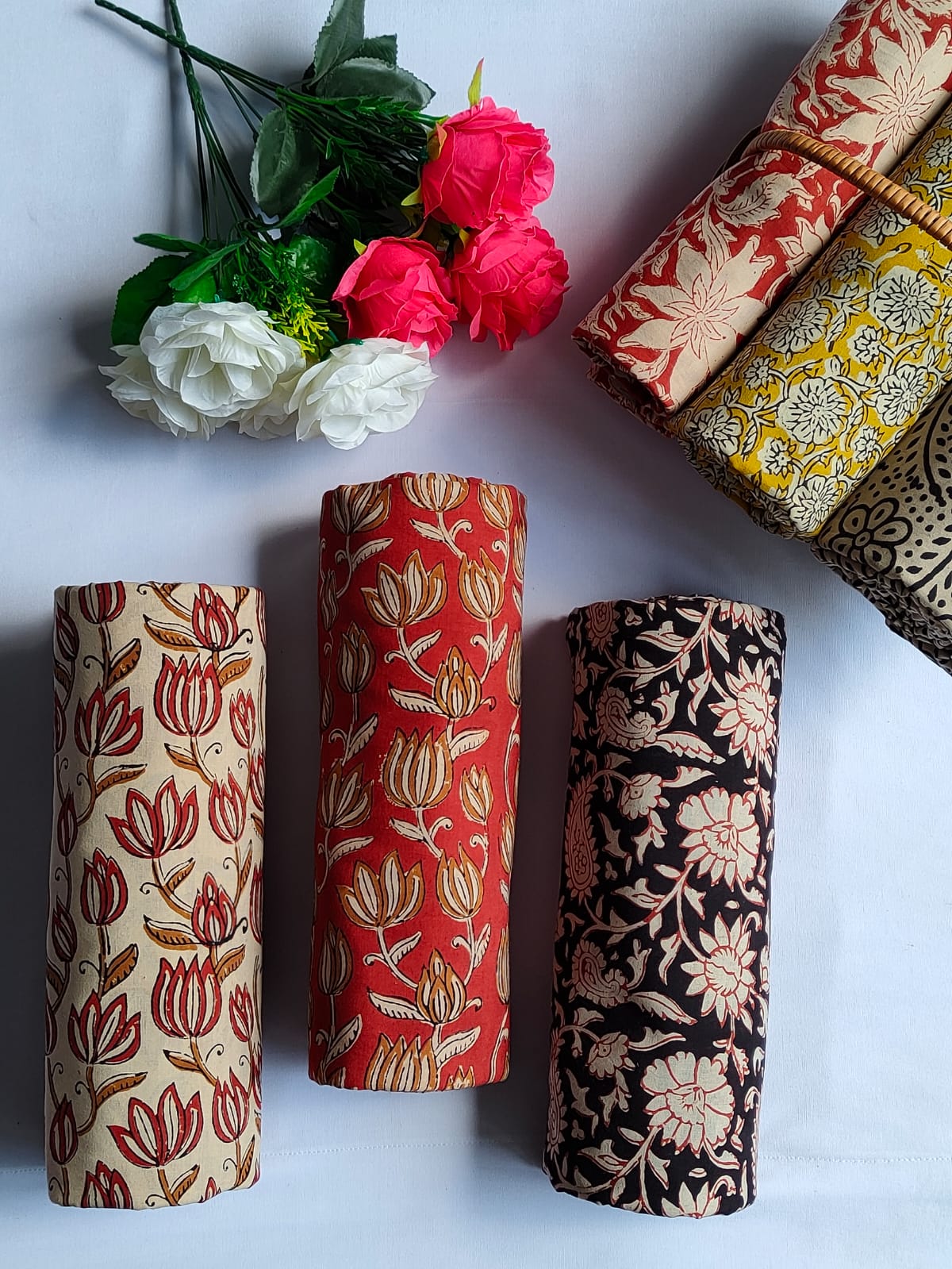


Cotton remains one of the most popular fabrics in the world because of its comfort, breathability, softness, and versatility. From everyday clothing and home furnishings to quilting and fashion design, cotton fabrics are used across countless applications. However, with the increasing availability of polyester blends, rayon blends, and synthetic alternatives, it has become more difficult for consumers to determine whether a fabric is truly made from pure cotton.
Many products are marketed as "cotton-rich," "cotton feel," or "cotton blend." While these fabrics may resemble cotton, they often do not provide the same breathability, moisture absorption, comfort, and durability associated with genuine cotton fabrics.
Whether you're a garment maker, fashion designer, sewing enthusiast, boutique owner, or simply shopping for quality textiles, knowing how to identify pure cotton fabric can help you make better purchasing decisions.
In this guide, we'll explore practical ways to identify pure cotton fabric, understand fabric labels, compare cotton with other fibers, and discover how to shop for genuine cotton fabrics online.
Why It Is Important to Identify Pure Cotton Fabric
Pure cotton offers several benefits that make it one of the most sought-after natural fabrics. Cotton is breathable, soft against the skin, highly absorbent, and comfortable throughout the year. These qualities make it particularly suitable for clothing, bedding, home décor, and sewing projects.
If you're interested in understanding why cotton remains such a popular choice, read our guide on Benefits of 100% Cotton Fabric.
Identifying genuine cotton helps ensure that you're receiving the quality, comfort, and performance that natural cotton fibers are known for.
What Makes Cotton Different From Other Fabrics?
Natural Cotton Fibers
Cotton is a natural fiber harvested from the cotton plant. Unlike synthetic fibers such as polyester and nylon, cotton is biodegradable, renewable, and naturally breathable. Its natural origin contributes to its softness and comfort.
To learn more about cotton cultivation and sourcing, visit Where Do Most Cotton Fibers Come From Around the World?.
Breathability and Comfort
One of the defining characteristics of cotton is its breathability. Cotton fibers allow air circulation, helping regulate body temperature and making garments comfortable to wear in warm weather.
Moisture Absorption
Cotton naturally absorbs moisture, making it more comfortable than many synthetic fabrics. This absorbent nature helps reduce the sticky feeling often associated with synthetic materials.
Simple Ways to Identify Pure Cotton Fabric
While laboratory testing offers the highest level of accuracy, several simple methods can help you determine whether a fabric is made from pure cotton.
Touch and Feel Test
Pure cotton typically feels soft, natural, and slightly textured. It should not feel excessively slippery, glossy, or plastic-like. Synthetic fabrics often have a smoother, cooler surface, while cotton tends to feel more natural and organic.
- Look for a soft, natural hand feel.
- Avoid fabrics with excessive shine.
- Check whether the fabric feels breathable and comfortable.
Wrinkle Test
Cotton wrinkles more easily than most synthetic fabrics because natural fibers have less elasticity.
- Take a small section of the fabric.
- Crush it tightly in your hand.
- Release it after a few seconds.
If visible wrinkles remain, the fabric likely contains a high percentage of cotton. Polyester-rich fabrics generally recover their shape more quickly.
Water Absorption Test
Cotton is naturally absorbent. Place a few drops of water onto the fabric surface and observe how it reacts.
- Pure cotton absorbs water quickly.
- Synthetic fabrics often cause water to bead on the surface.
- Cotton blends may absorb moisture more slowly.
This is one of the easiest ways to distinguish cotton from polyester-heavy fabrics.
Breathability Test
Hold the fabric over your mouth and attempt to breathe through it. Cotton generally allows more airflow than dense synthetic materials.
While not a scientific test, it can provide useful clues when comparing fabrics.
Light Test
Hold the fabric up to a bright light source. Pure cotton often reveals slight natural irregularities within the weave, whereas synthetic fabrics frequently appear more uniform and may exhibit a slight sheen.
How to Perform a Cotton Burn Test
The burn test is one of the most effective methods for identifying cotton fabric. This test should only be performed safely using a small loose thread or scrap of fabric.
What Happens When Cotton Burns?
Pure cotton typically:
- Burns steadily like paper.
- Produces a paper-like smell.
- Leaves behind soft gray ash.
- Does not melt.
Synthetic fibers generally:
- Melt before burning.
- Produce a chemical or plastic smell.
- Leave behind a hard bead or residue.
These differences make the burn test useful when trying to distinguish cotton from polyester or synthetic blends.
Burn Test Safety Tips
- Use only a small fabric scrap.
- Perform the test in a safe area.
- Keep water nearby.
- Never burn an entire garment.
Visual Signs of Pure Cotton Fabric
Natural Texture
Cotton generally has a slightly textured appearance rather than an overly smooth or glossy surface.
Matte Finish
Most pure cotton fabrics have a matte finish. Excessive shine may indicate the presence of synthetic fibers or chemical finishes.
Visible Weave Characteristics
Natural cotton fabrics may display subtle variations within the weave. These slight irregularities are often signs of natural fiber construction.
How to Read Fabric Labels Correctly
Check Fiber Composition
The easiest way to identify cotton fabric is by reviewing the fiber content listed on the label.
Look for:
- 100% Cotton
- Pure Cotton
- Organic Cotton
Be cautious of labels that say:
- Cotton Rich
- Cotton Blend
- Cotton Feel
These descriptions often indicate that the fabric contains other fibers.
Understanding Cotton Blends
Cotton blends combine cotton with materials such as polyester, rayon, or spandex. While blends can offer certain advantages, they typically perform differently from pure cotton in terms of breathability and comfort.
You can learn more by reading Cotton Fabric vs Synthetic Fabrics: Comfort and Durability.
Pure Cotton vs Polyester Fabric
| Feature | Pure Cotton | Polyester |
|---|---|---|
| Breathability | Excellent | Moderate |
| Moisture Absorption | High | Low |
| Comfort | Soft and Natural | Smooth and Synthetic |
| Wrinkle Resistance | Lower | Higher |
| Burn Test Result | Soft Ash | Melted Residue |
How Fabric Quality Influences Cotton Identification
Not all cotton fabrics are identical. The quality of cotton fibers, weaving techniques, finishing processes, and manufacturing standards all affect how a cotton fabric feels and performs.
For a deeper understanding of cotton quality, explore:
Different Types of Pure Cotton Fabrics
Cotton is available in a wide variety of fabric constructions, each suited to different applications.
Popular cotton fabrics include:
- Plain Cotton Fabric
- Cotton Cambric
- Mulmul Cotton
- Poplin Cotton
- Hand Block Print Cotton
- Bagru Print Cotton
- Dabu Print Cotton
- Indigo Print Cotton
To learn more, visit:
- Different Types of Cotton Fabrics Available
- Types of Cotton Fabric and Their Uses
- Main Types of Cotton Used in Fabric Production
Where to Buy Genuine Pure Cotton Fabric Online
When purchasing cotton fabric online, choose suppliers that provide detailed product specifications, fabric composition information, GSM details, and clear product photography.
You may also find these sourcing guides useful:
- Where to Buy High-Quality Plain Cotton Fabric Online
- Where to Buy Affordable Woven Cotton Fabrics Online
Explore Pure Cotton Fabric Collections at Jaipur Bazar
If you're searching for genuine cotton fabrics for apparel, home décor, quilting, and sewing projects, Jaipur Bazar offers a diverse selection of cotton collections.
- Pure Cotton Fabrics
- Plain Cotton Fabrics
- Printed Cotton Fabrics
- Cotton Cambric Fabrics
- Mulmul Cotton Fabrics
- Hand Block Print Cotton Fabrics
- Bagru Print Cotton Fabrics
- Dabu Cotton Fabrics
- Indigo Print Cotton Fabrics
- Premium Fabrics
Final Thoughts
Identifying pure cotton fabric becomes easier when you understand the characteristics of natural cotton fibers. Simple methods such as the touch test, wrinkle test, water absorption test, breathability test, visual inspection, and burn test can help distinguish genuine cotton from synthetic alternatives.
By combining these practical techniques with careful label reading and purchasing from trusted suppliers, you can confidently select cotton fabrics that deliver the comfort, breathability, and quality that natural cotton is known for. Whether you're sewing garments, sourcing textiles, or shopping for quality fabrics online, understanding how to identify pure cotton is a valuable skill that leads to better purchasing decisions.