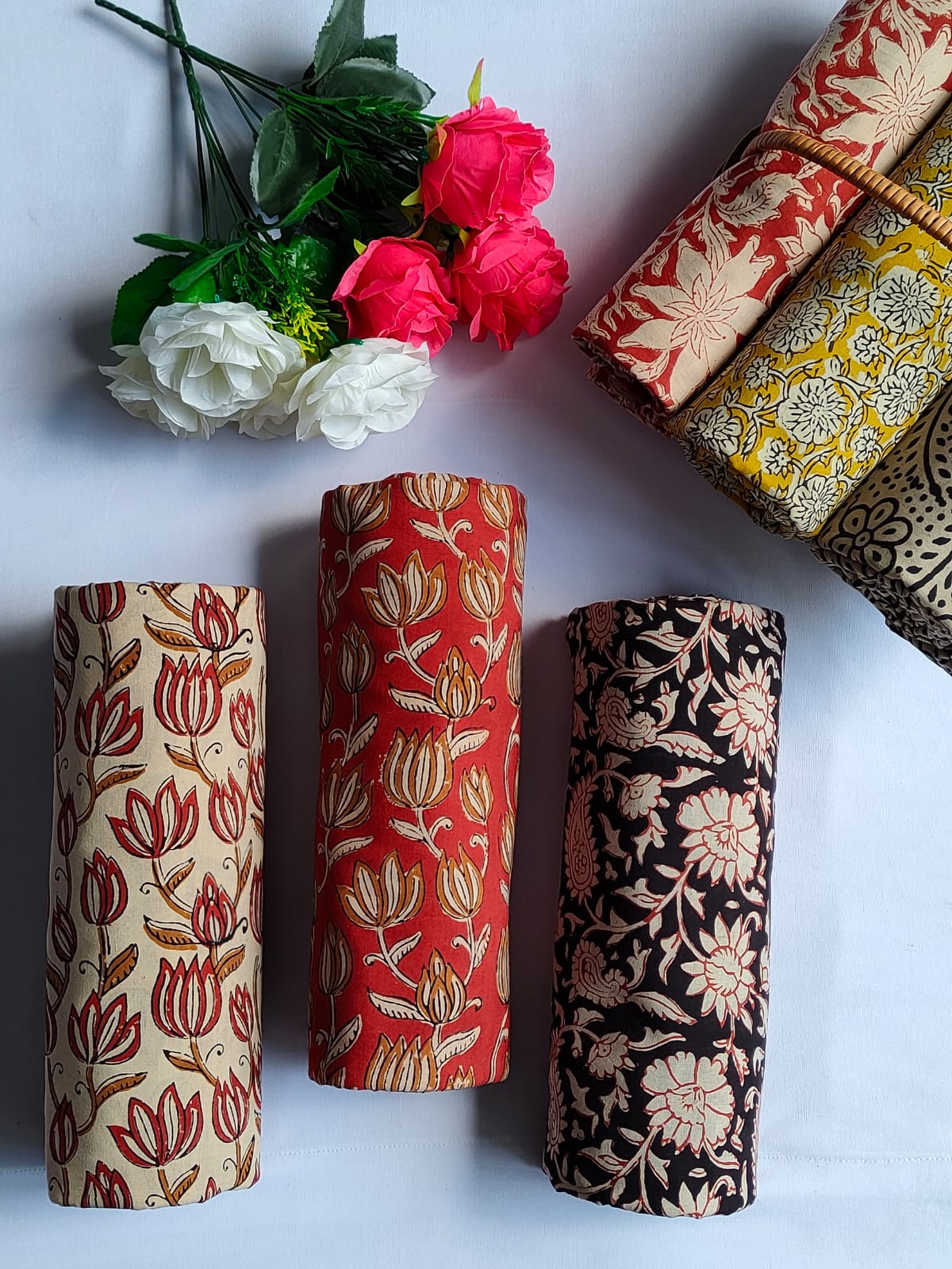


Choosing the right fabric can make a big difference in the comfort, appearance, and durability of clothing. Cotton and satin are two popular fabric options, but they are often compared as if they are made from the same type of material. In reality, there is an important difference between them.
Cotton refers to a natural fibre obtained from the cotton plant, while satin refers to a weave structure that creates a smooth surface with a characteristic sheen. Cotton is commonly used for everyday shirts, kurtas, dresses, and casual clothing. Satin is often associated with its glossy appearance and is used for eveningwear, dresses, blouses, nightwear, and decorative textiles.
However, satin is not always synthetic. It can be made from polyester, silk, cotton, viscose, or other fibres. Cotton can also be woven using a satin structure, creating a fabric known as cotton satin or cotton sateen, depending on the specific construction and industry terminology.
Understanding this distinction helps you compare fabrics more accurately and choose the right option for your needs.
In this guide, we will explain the main differences between cotton and satin fabrics, including their texture, appearance, breathability, moisture absorption, durability, cost, maintenance, and suitability for different garments. We will also discuss cotton satin, explain how to choose between these materials, and share practical tips for buying fabric online.
1. What Is Cotton Fabric?
Cotton fabric is made from fibres obtained from the cotton plant. These fibres are processed into yarn, which is then woven or knitted to create different types of textiles.
Cotton is widely used because it can be made into fabrics with different weights, textures, and levels of structure. Depending on the yarn, weave, knit, and finishing, cotton may feel soft, crisp, smooth, lightweight, or thick.
Common cotton fabric varieties include plain cotton, cotton poplin, cotton cambric, mulmul, cotton voile, and printed cotton. Each type has different characteristics and applications.
For example, lightweight cotton may be suitable for summer dresses and kurtas, while cotton poplin can provide a firmer structure for shirts. Heavier cotton fabrics may be used for trousers, bags, and selected home furnishing products.
Main characteristics of cotton fabric
-
It is made from natural cotton fibres.
-
It absorbs moisture naturally.
-
Many cotton constructions allow air to circulate through the fabric.
-
It is available in a wide range of weights and textures.
-
It can be dyed, printed, woven, or knitted in different ways.
-
It may wrinkle or shrink depending on its construction and finishing.
-
Its appearance can range from matte to smooth or slightly lustrous.
Cotton is a versatile option for people who want a wide selection of fabric styles for everyday clothing and creative projects.
You can explore all cotton fabrics at Jaipur Bazar to compare different cotton varieties.
For more information about cotton construction and fibre varieties, read the main types of cotton used in fabric production.
2. What Is Satin Fabric?
Satin is a type of weave structure that creates a smooth surface with a distinctive sheen. In a satin weave, the arrangement of yarns allows relatively long sections of yarn to pass over the other yarn system, producing fewer visible intersections on the surface.
This construction helps create the glossy appearance commonly associated with satin fabric.
Unlike cotton, satin does not refer to one specific fibre. Satin fabric can be made from several different materials, including polyester, silk, viscose, and cotton.
The fibre used to produce satin affects how it feels, how it handles moisture, how it drapes, and how it should be cared for.
For example, polyester satin often has a smooth, glossy surface and may be relatively easy to maintain. Silk satin can have a luxurious feel and fluid drape, while cotton satin combines cotton fibres with a satin-style weave.
Main characteristics of satin fabric
-
It typically has a smooth surface with a noticeable sheen.
-
It often drapes elegantly, depending on fibre and construction.
-
It can be made from natural or manufactured fibres.
-
It is used for dresses, blouses, nightwear, occasionwear, and decorative textiles.
-
Its breathability, moisture absorption, durability, and maintenance requirements depend on its fibre composition.
-
Its glossy surface may be more susceptible to visible scratches, snags, or marks in some constructions.
Satin is therefore best understood as a fabric construction rather than a guarantee of a particular fibre composition.
If you are exploring satin as a fabric option, you can read where to buy high-quality cotton and satin fabrics online.
3. The Most Important Difference: Fibre Versus Weave
Before comparing cotton and satin, it is useful to understand that the two terms describe different things.
Cotton identifies the fibre used to make the fabric. Satin identifies the way yarns are arranged in the fabric.
This means that cotton and satin are not always directly opposite choices. A cotton fabric can use a plain weave, a twill weave, or a satin-style weave. Likewise, satin can be made using cotton or other fibres.
Consider these examples:
-
Plain cotton: Made from cotton fibres using a plain-weave construction.
-
Cotton poplin: Usually a closely woven cotton fabric with a smooth, relatively firm surface.
-
Polyester satin: Made from polyester fibres using a satin weave.
-
Silk satin: Made from silk fibres using a satin weave.
-
Cotton sateen: A cotton fabric woven with a satin-related structure, usually producing a smoother surface and some sheen.
The term cotton sateen is commonly used for cotton fabrics with a satin-related weave. Naming conventions can vary between manufacturers and markets, so checking the actual product specification is helpful.
Why does this distinction matter?
Imagine comparing a cotton T-shirt with a polyester satin dress. Their differences come from both fibre composition and fabric construction. Cotton and polyester behave differently as fibres, while a satin weave creates a different surface from a typical knitted T-shirt fabric.
A more accurate comparison would distinguish between:
-
Cotton fabric and polyester satin.
-
Cotton fabric and silk satin.
-
Cotton fabric and cotton sateen.
-
Cotton garments and satin garments made from different fibres.
This approach helps you make a better purchasing decision because the word "satin" alone does not tell you exactly what the fabric is made from.
4. Cotton vs Satin: Quick Comparison
The following table compares common cotton fabrics with satin fabrics, particularly the polyester and silk varieties often found in clothing.
| Feature | Typical cotton fabric | Satin fabric |
|---|---|---|
| What the term describes | Fibre composition | Weave structure |
| Fibre source | Cotton plant | Can be cotton, polyester, silk, viscose, or other fibres |
| Appearance | Often matte, but can also be smooth or lustrous | Usually smooth with a noticeable sheen |
| Texture | Varies from soft and airy to crisp and firm | Often smooth and slippery, depending on fibre |
| Breathability | Depends on construction and fabric weight | Depends on fibre, weave, and construction |
| Moisture absorption | Cotton fibres naturally absorb moisture | Depends on the fibre used |
| Drape | Varies by cotton type and construction | Often fluid, but depends on fibre and fabric weight |
| Wrinkling | Can wrinkle readily | Varies; polyester satin often resists creasing better than many cotton fabrics |
| Care | Depends on weave, dye, and finishing | Depends on fibre and care instructions |
| Common uses | Shirts, kurtas, dresses, T-shirts, trousers | Eveningwear, blouses, nightwear, dresses, decorative textiles |
| Fibre composition | Cotton if labelled 100% cotton | Must be checked separately |
| Cost | Varies by cotton quality and construction | Varies by fibre, weave, quality, and finish |
These are general comparisons, not universal rules. Lightweight cotton and heavy cotton can behave very differently, just as polyester satin and silk satin have different properties.
5. Differences in Texture and Feel
Texture is one of the first differences people notice when comparing typical cotton fabric with satin.
Cotton can feel soft, crisp, dry, textured, or smooth. Its hand feel depends on fibre quality, yarn construction, weave, and finishing.
Satin usually has a smooth surface and a characteristic sheen. Many satin fabrics feel slippery to the touch and glide easily against the skin. However, the exact texture depends on the fibre and how the fabric is manufactured.
How does cotton feel?
Cotton can be comfortable for everyday clothing because it is available in many different textures. Soft cotton jersey is commonly used for T-shirts, while cotton cambric may have a smooth, closely woven surface.
Plain cotton fabrics can also have a crisp or slightly textured feel, making them suitable for different garment styles.
How does satin feel?
Satin often feels smoother and more slippery than a typical matte cotton fabric. Its surface can create a polished appearance, which is why satin is popular for occasionwear and clothing designed to look elegant.
However, not every satin fabric feels identical. Polyester satin, silk satin, and cotton sateen may differ significantly in softness, weight, and surface feel.
If comfort is your main concern, consider the fabric's actual composition and construction rather than choosing based on the name alone.
For more information about cotton's texture and quality, read how to identify high-quality soft cotton fabric.
6. Differences in Appearance and Shine
Cotton and satin often have different visual appearances, particularly when comparing plain cotton with glossy polyester satin.
Many cotton fabrics have a matte or low-sheen surface. This makes them useful for casual clothing, everyday shirts, traditional garments, and printed textiles.
Satin is known for its reflective surface. The arrangement of yarns in the weave allows light to reflect in a way that creates a glossy appearance.
When is cotton a good visual choice?
Cotton is suitable when you want a relaxed, understated, or textured look. Plain cotton works well for simple garments, while printed cotton offers patterns ranging from florals and geometric motifs to traditional Indian designs.
Cotton is also available in smoother constructions, so it is not always matte. Mercerised cotton and cotton sateen, for example, can have more sheen than ordinary unprocessed cotton fabrics.
When is satin a good visual choice?
Satin is often chosen for garments where a smooth, glossy appearance is important. It can create flowing silhouettes and a polished finish for dresses, blouses, skirts, and eveningwear.
However, satin's appearance also depends on its colour, fibre, weight, and finishing. Some satin fabrics have a subtle sheen, while others have a highly reflective surface.
If you want a glossy look but prefer cotton fibres, investigate cotton sateen rather than assuming that all satin fabrics are synthetic.
7. Which Fabric Is More Breathable?
Breathability is an important consideration when choosing fabric for clothing, especially if you live in a warm climate or prefer garments that allow air to circulate.
Many cotton fabrics are used for summer clothing because their constructions can allow airflow. Lightweight cotton varieties, in particular, may feel comfortable in warm weather.
Satin's breathability depends heavily on the fibre used and the fabric's construction. Polyester satin may feel less breathable than a lightweight cotton fabric, while silk satin and cotton sateen have different performance characteristics.
Is cotton always more breathable than satin?
No. Cotton is not automatically more breathable than every satin fabric because the two terms describe different things.
A lightweight cotton fabric may allow more airflow than a dense polyester satin. However, a cotton sateen fabric with a closely woven construction may behave differently from lightweight cotton voile.
When choosing fabric for warm weather, consider:
-
Fibre composition
-
Fabric weight
-
Weave density
-
Garment fit
-
Lining and additional layers
-
Intended use
For summer shirts, kurtas, and casual dresses, lightweight cotton can be a practical choice. Satin may be suitable for garments where appearance and drape are the main priorities, particularly when the garment will not be worn in very hot conditions.
For a deeper explanation, read how the thickness of cotton fabric affects its breathability.
8. Differences in Moisture Absorption
Cotton fibres naturally absorb moisture. This property makes cotton a common choice for everyday clothing worn close to the body.
However, satin's moisture absorption depends on its fibre composition.
For example, cotton sateen is made from cotton fibres and retains cotton's natural moisture-absorbing characteristics, although the weave and finishing affect how the fabric behaves. Polyester satin generally absorbs less moisture into the fibre itself than cotton, while silk satin has its own moisture-related characteristics.
Which fabric is better for sweaty conditions?
For everyday clothing in warm weather, a suitable cotton fabric may be a practical choice because it can absorb moisture and allow airflow.
However, cotton can retain moisture and may take longer to dry than some synthetic fabrics. If a garment becomes heavily saturated with sweat, it can feel damp.
Polyester satin is not generally chosen for intense exercise because of its smooth, often less absorbent construction and the way it behaves during physical activity. But performance depends on the specific fabric rather than the name alone.
For everyday wear, consider both moisture absorption and drying time. They are related but different properties.
9. Which Fabric Is More Comfortable?
Comfort depends on how a fabric feels against the skin, how it handles heat and moisture, and how it moves with the body.
Cotton is often chosen for everyday clothing because it is available in many soft and breathable constructions. It is widely used for casual shirts, T-shirts, kurtas, dresses, and nightwear.
Satin can also feel comfortable, particularly when it is smooth and drapes well. Its slippery surface may appeal to people who prefer a sleek feel for dresses, blouses, or nightwear.
However, comfort varies by fibre and construction. A lightweight cotton garment may feel more comfortable on a hot day than a dense polyester satin garment. A smooth satin garment may be preferred for an occasion where the glossy appearance and fluid drape are more important.
Choose cotton when you want:
-
A wide range of everyday clothing options
-
A fabric that can absorb moisture
-
Lightweight options for warm weather
-
Matte, textured, or printed styles
-
Materials available in many different weights and constructions
Consider satin when you want:
-
A smooth, glossy surface
-
An elegant look for occasionwear
-
A fluid drape for selected garments
-
A fabric suitable for decorative designs
-
A specific satin finish that matches your clothing project
The best option is the one that suits your climate, personal preference, garment design, and maintenance requirements.
10. Differences in Durability
Cotton and satin can both be durable, but their durability depends on the fibres, yarns, weave, finishing, and intended use.
Cotton fabrics range from delicate lightweight varieties to strong, closely woven materials. A well-made cotton shirt can withstand regular use and washing, while a lightweight cotton voile may require gentler handling.
Satin can also vary in durability. The long yarn floats associated with a satin weave can make some fabrics more vulnerable to snagging or surface marks. This depends on the yarns and construction, so it is not a universal rule for every satin fabric.
What affects cotton durability?
-
Cotton fibre and yarn quality
-
Fabric weight and density
-
Weave or knit construction
-
Stitching and garment design
-
Washing and drying conditions
What affects satin durability?
-
Fibre type, such as silk or polyester
-
Yarn quality and weave construction
-
Fabric weight
-
Resistance to snags and abrasion
-
Washing and handling methods
If you need a garment for frequent everyday use, choose based on its actual construction and care requirements. Do not assume that all cotton fabrics are stronger than all satin fabrics, or vice versa.
For additional guidance, read how to identify high-quality woven cotton fabric.
11. Differences in Wrinkling and Maintenance
Cotton can wrinkle during wearing, washing, and storage. The amount of creasing depends on its construction and finishing, but many cotton garments need ironing to maintain a neat appearance.
Satin maintenance varies according to the fibre used. Polyester satin may resist wrinkles better than many cotton fabrics, while silk satin can require more delicate care.
Cotton sateen also has its own maintenance requirements. Although it has a satin-related weave, it is still a cotton fabric and can show the typical care considerations associated with cotton.
How to care for cotton
-
Follow the garment's washing instructions.
-
Avoid excessive heat if shrinkage is a concern.
-
Wash coloured garments carefully to reduce colour transfer.
-
Iron at a suitable temperature when necessary.
-
Check whether the fabric has been preshrunk.
How to care for satin
-
Check the fibre composition before washing.
-
Follow the care label carefully.
-
Avoid rough handling that may snag or mark the surface.
-
Use an appropriate ironing setting if ironing is permitted.
-
Store garments in a way that reduces friction and creasing.
Do not assume that all satin should be dry-cleaned or that every cotton garment can be machine-washed. Care requirements depend on the particular fabric and garment.
For more cotton-care advice, read the best ways to care for and wash woven cotton fabrics.
12. Which Fabric Is Better for Summer Clothing?
For many everyday summer garments, lightweight cotton is a practical option because it can provide airflow, moisture absorption, and a comfortable feel.
Cotton cambric, lightweight plain cotton, mulmul, and cotton voile are examples of cotton varieties that may suit summer clothing, depending on their weight and opacity.
Satin can also be used for summer dresses and occasionwear, but the fibre and construction matter. A lightweight silk satin may behave differently from a dense polyester satin, and the garment's fit and lining also influence comfort.
Cotton is worth considering for:
-
Everyday kurtas
-
Casual shirts
-
Loose summer dresses
-
Lightweight trousers
-
Comfortable homewear
-
Casual tops
Satin may suit:
-
Evening dresses
-
Special-occasion blouses
-
Fashion skirts
-
Selected nightwear
-
Decorative or formal garments
If your main priority is comfort in hot weather, compare fabric weight and construction rather than relying only on fibre names.
Explore cotton cambric fabrics and mulmul cotton fabrics for lightweight cotton options.
You can also read the best lightweight cotton fabrics for summer clothing.
13. Which Fabric Is Better for Dresses and Occasionwear?
Cotton and satin can both work well for dresses, but they create different effects depending on the fabric construction.
Cotton is available in printed, plain, textured, crisp, and lightweight varieties. This makes it suitable for casual dresses, shirt dresses, summer dresses, kurtas, and many everyday designs.
Satin is often selected for dresses that need a smooth surface and a fluid or glossy appearance. It is frequently used for eveningwear, party dresses, formal skirts, and garments designed around drape.
Cotton dresses
Cotton dresses are often a practical choice for daytime wear. They can be made in a range of styles, from relaxed summer dresses to structured shirt dresses.
Printed cotton is particularly useful when you want floral, geometric, or traditional patterns.
Satin dresses
Satin dresses can create a polished appearance because the fabric reflects light. The smooth surface and drape can suit fitted or flowing designs, depending on the material.
However, some satin fabrics may show creases, seams, or surface marks more readily than expected, so construction and finishing are important.
The better choice depends on the occasion, climate, desired silhouette, and how much maintenance you are comfortable with.
14. What Is Cotton Satin or Cotton Sateen?
Cotton satin and cotton sateen are terms used for cotton fabrics made with a satin-related weave. The terminology can vary between manufacturers, but cotton sateen commonly refers to a cotton fabric with a smooth surface and a degree of sheen.
This is an important distinction because a fabric can have the appearance of satin while still being made from cotton fibres.
Cotton sateen can offer a smoother, more lustrous look than many plain-weave cotton fabrics. It may be used for clothing, bedding, and decorative textiles, depending on the weight and construction.
How does cotton sateen compare with ordinary cotton?
Appearance: Cotton sateen usually has more sheen than many plain cotton fabrics.
Feel: Its surface may feel smoother because of the weave structure and finishing.
Fibre composition: It can be made from cotton, unlike polyester satin, which uses polyester fibres.
Comfort: It retains cotton's moisture-absorbing properties, although the weave affects airflow and the overall feel.
Care: It can wrinkle or shrink depending on its construction and finishing, so care instructions remain important.
If you prefer the look of satin but want cotton fibre composition, cotton sateen may be worth exploring. Check the product specifications to confirm the actual fibre content rather than relying only on the name.
15. What Is Satinised Cotton, and Is It the Same as Satin?
Satinised cotton is another term shoppers may encounter when comparing fabric finishes. It generally refers to cotton that has undergone a finishing process intended to create a smoother or more lustrous surface.
The term should not automatically be treated as synonymous with satin weave or cotton sateen. Satinised cotton describes a finish, while satin describes a weave structure. The exact meaning may vary by supplier and product.
Mercerised cotton is different again. Mercerisation is a treatment that can improve cotton's lustre and influence other fabric properties. It does not necessarily mean that the material has a satin weave.
These distinctions matter because the fabric's fibre composition, weave, and finish all affect its performance.
For a more detailed explanation, read how to identify satinised cotton and the best uses for satinised cotton in clothing.
16. Differences in Price
The price of cotton and satin fabrics varies widely. Neither category is automatically cheaper than the other.
Cotton prices depend on fibre quality, yarn count, fabric construction, printing, finishing, manufacturing, and brand positioning. Basic cotton fabrics may be relatively affordable, while specialised or premium cotton varieties can cost considerably more.
Satin prices depend on the fibre used, weave quality, finishing, and manufacturing process. Polyester satin may be available at a relatively low price, while silk satin can be significantly more expensive.
Cotton sateen and satinised cotton also vary in price depending on the quality and specifications.
What should you compare before buying?
-
Fibre composition
-
Fabric width and weight
-
Quality of the weave or knit
-
Printing or finishing
-
Durability for the intended use
-
Washing and maintenance requirements
-
Supplier reliability
When buying fabric online, compare the full product specifications instead of choosing solely on price. A lower-priced fabric may be suitable for a simple project, while a more expensive material may be justified when appearance, durability, or a particular finish is important.
17. How to Choose Between Cotton and Satin
The best fabric depends on what you want to make, where you plan to wear the garment, and how you prefer to care for it.
Use the following guide as a starting point.
| Your priority | Fabric to consider | Why |
|---|---|---|
| Everyday clothing | Suitable cotton fabric | Available in many practical weights and constructions |
| Warm-weather garments | Lightweight cotton | Can offer airflow and moisture absorption |
| Glossy appearance | Satin | Characteristic sheen and smooth surface |
| Printed casual dresses | Printed cotton | Wide range of patterns and styles |
| Smooth cotton with sheen | Cotton sateen | Cotton fibres with a satin-related weave |
| Reduced wrinkling | Compare specific fabric options | Performance depends on fibre and finishing |
| Formal or eveningwear | Satin or suitable cotton | Depends on the desired appearance and structure |
| Easy everyday maintenance | Check individual care instructions | Neither category guarantees easy care |
Before purchasing, consider whether the garment needs to be breathable, glossy, structured, flowing, easy to wash, or suitable for frequent wear.
18. Tips for Buying Cotton or Satin Fabric Online
Online shopping gives you access to many fabric types, but photographs alone may not reveal the exact texture, weight, fibre composition, or drape.
Use these tips to make a more informed purchase.
Check fibre composition: Confirm whether the fabric is 100% cotton, polyester satin, silk satin, or another material.
Read the product description: Look for details about weave, finish, weight, width, and care.
Examine the intended use: Choose a fabric that matches the garment or project you want to create.
Check the colour and finish: Glossy fabrics can reflect light differently in photographs, so colours may look different in person.
Review care instructions: Make sure you are comfortable with the washing and ironing requirements.
Request a sample if possible: A sample can help you assess texture, opacity, drape, and colour before purchasing a larger quantity.
Ask questions when details are unclear: Do not assume that satin is silk or that every cotton fabric is matte.
If you are looking for cotton options, start with Jaipur Bazar's all cotton fabrics collection. For plain designs, explore plain cotton fabrics, or browse printed cotton fabrics for patterned options.
Conclusion
The main differences between cotton and satin fabrics come down to fibre composition, weave structure, appearance, comfort, and intended use.
Cotton is a natural fibre that can be made into many types of fabric. It is widely used for everyday clothing because it absorbs moisture, comes in a wide range of constructions, and can be suitable for warm-weather garments.
Satin is a weave structure known for its smooth surface and characteristic sheen. It can be made from polyester, silk, cotton, or other fibres, so its comfort, breathability, durability, and care requirements depend on the material used.
If you want practical everyday clothing, lightweight cotton may be a good option. If you want a glossy surface and a fluid look for occasionwear, satin may suit your design. If you prefer cotton fibres with a smoother surface and some sheen, cotton sateen may be worth considering.
The most important thing is to compare the actual fabric specifications rather than treating cotton and satin as completely separate fibre categories.
If you are exploring cotton fabric for your next sewing or clothing project, visit Jaipur Bazar's all cotton fabrics collection and compare the available options based on texture, weight, print, and intended use.