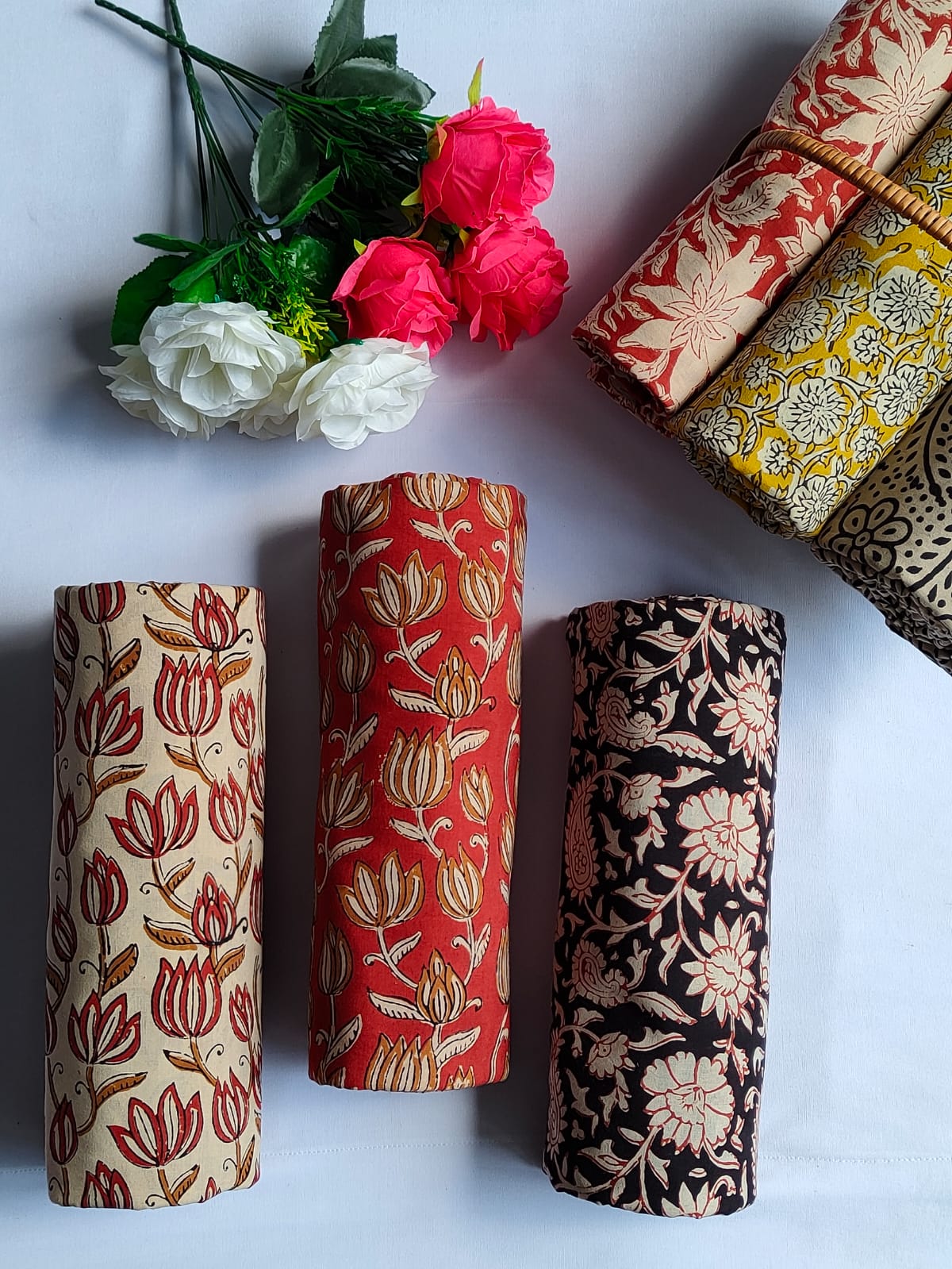


Cotton domette is one of the most useful yet often overlooked fabrics in the sewing world. Known for its soft brushed surface, lightweight padding, and insulating properties, domette is widely used as an interlining for curtains, quilts, baby products, soft furnishings, corsetry, and structured garments. Unlike decorative fabrics that form the visible layer of a project, domette usually works behind the scenes, adding comfort, warmth, support, and durability. Domette is traditionally a soft brushed cotton fabric used as an interlining and padding material in curtains, quilting, and garment construction. :contentReference[oaicite:0]{index=0}
If you've never sewn with cotton domette before, you'll quickly discover that it behaves differently from ordinary cotton fabrics. Its brushed texture, loft, and cushioning effect require a few adjustments in cutting, stitching, pressing, and finishing techniques.
Whether you're making luxury curtains, quilted jackets, nursery products, or home décor accessories, this guide covers everything you need to know about sewing with cotton domette fabric successfully.
Before diving in, you may also find these related guides useful:
- Different Types of Cotton Fabrics Available
- Types of Cotton Fabric and Their Uses
- How Is Cotton Fabric Produced and Processed?
- How Can I Identify High-Quality Soft Cotton Fabric?
Understanding Cotton Domette Before You Start Sewing
Cotton domette is generally manufactured as a brushed cotton fabric with a soft raised surface. It is lighter than traditional bump interlining but provides more body and insulation than standard cotton linings. Professional curtain makers often use domette between the face fabric and lining to improve drape and thermal efficiency. :contentReference[oaicite:1]{index=1}
Common applications include:
- Curtain interlining
- Roman blinds
- Quilts
- Baby blankets
- Mattress protectors
- Corsetry support layers
- Structured garments
- Home furnishing projects
- Padded accessories
Because domette is made from cotton fibers, it remains breathable, comfortable, and compatible with many natural fabrics. Cotton is naturally breathable, durable, and comfortable, making it widely used in both apparel and home textiles. :contentReference[oaicite:2]{index=2}
Always Pre-Wash Cotton Domette First
If there is one rule you should never ignore, it is pre-washing your domette before cutting.
Like many cotton fabrics, domette can shrink after its first wash. Some curtain manufacturers specifically use pre-shrunk domette because shrinkage can affect the finished product. :contentReference[oaicite:3]{index=3}
Benefits of pre-washing include:
- Reducing shrinkage after construction
- Improving dimensional stability
- Preventing puckering between layers
- Helping fabrics behave consistently
- Reducing surprises after laundering
Wash and dry the fabric using the same method you expect the finished item to experience in everyday use. Prewashing cotton before sewing is a widely recommended best practice because cotton can shrink noticeably during its first wash. :contentReference[oaicite:4]{index=4}
Choose the Right Needle
Using the wrong needle is one of the most common causes of skipped stitches and uneven seams.
For most cotton domette projects:
- Universal Needle 80/12 works well
- Universal Needle 90/14 is ideal for thicker layers
- Sharp needles help create cleaner seams
Needle size should generally be matched to the fabric weight and the number of layers being sewn. :contentReference[oaicite:5]{index=5}
If you are sewing domette together with heavier curtain fabrics or multiple quilt layers, move up to a slightly stronger needle.
Use High-Quality Thread
Thread quality matters even more when sewing layered projects.
Recommended thread options include:
- 100% cotton thread
- Cotton-polyester blend thread
- High-quality quilting thread
Cheap thread can break more easily and create inconsistent stitches. Strong thread helps layered projects maintain their durability over time.
Cut Domette Carefully
The brushed surface of domette can sometimes shift slightly during cutting.
For accurate results:
- Use sharp dressmaking scissors
- Use a rotary cutter for large pieces
- Work on a flat cutting surface
- Check grain alignment before cutting
- Avoid stretching the fabric while measuring
Cutting accurately on grain helps prevent twisting and distortion later in the project. Fabric preparation and grain alignment are important for achieving professional sewing results. :contentReference[oaicite:6]{index=6}
Test Your Stitch Settings First
Never begin sewing a finished project without testing stitch settings on a scrap piece.
Test:
- Thread tension
- Stitch length
- Needle size
- Presser foot pressure
Many sewists find that slightly longer stitches work better when sewing through domette and multiple fabric layers.
Testing prevents problems before they become permanent.
Secure Layers Before Sewing
Domette is often combined with:
- Curtain fabrics
- Lining fabrics
- Quilting cottons
- Home décor fabrics
- Garment fabrics
When sewing multiple layers:
- Use fine pins
- Try fabric clips for thick projects
- Baste long seams when necessary
- Check alignment frequently
This extra preparation can save significant time later.
Press Carefully
Pressing is important for clean seams, but excessive heat can flatten the brushed texture that makes domette valuable.
For best results:
- Use moderate heat
- Press instead of dragging the iron
- Use steam carefully
- Test settings first
- Consider using a pressing cloth
Cotton generally responds well to pressing, but maintaining the loft of domette helps preserve its cushioning and insulating qualities. :contentReference[oaicite:7]{index=7}
Tips for Sewing Curtain Interlining with Cotton Domette
Cotton domette is most commonly associated with curtain making.
Professional curtain makers often use domette because it:
- Adds thermal insulation
- Improves drape
- Creates fuller curtains
- Protects decorative fabrics
- Reduces light penetration
Interlining is placed between the face fabric and the lining to improve body and thermal performance. :contentReference[oaicite:8]{index=8}
When sewing curtains:
- Cut domette slightly smaller than the face fabric
- Allow room for seam allowances
- Keep layers smooth and wrinkle-free
- Check drape before final stitching
- Avoid excessive bulk at hems
For additional home furnishing inspiration, see:
Tips for Quilting with Cotton Domette
Many quilters use domette as an alternative to traditional batting.
Advantages include:
- Natural fiber content
- Excellent breathability
- Soft finish
- Comfortable drape
- Moderate insulation
For quilting success:
- Baste layers securely
- Quilt evenly across the surface
- Support large projects while sewing
- Use walking feet when available
- Work slowly around thick sections
Domette has long been used as a padded interlining in quilting and structured textile projects. :contentReference[oaicite:9]{index=9}
Best Fabrics to Pair with Cotton Domette
Domette works particularly well with natural cotton fabrics.
- Plain Cotton Fabrics
- Cotton Cambric Fabrics
- 60x60 Cotton Fabrics
- Mulmul Cotton Fabrics
- Printed Cotton Fabrics
- Hand Block Print Cotton Fabrics
Using fabrics with similar fiber content often improves compatibility in terms of shrinkage, drape, and care requirements.
Common Mistakes to Avoid
Even experienced sewists sometimes encounter problems when working with domette.
Avoid these common mistakes:
- Skipping pre-washing
- Using dull needles
- Ignoring stitch testing
- Applying excessive heat
- Not supporting large projects
- Using low-quality thread
- Stretching fabric during cutting
- Failing to secure layers properly
Most sewing issues can be prevented through careful preparation.
How to Care for Finished Projects
Once your project is complete, proper care will help maintain its appearance and performance.
- Follow the care instructions of the outer fabric
- Use mild detergents
- Avoid excessive drying temperatures
- Store items in a dry environment
- Press carefully when required
For additional care guidance, read:
Related Articles
- How Can I Tell If a Fabric Is Made of Pure Cotton?
- How Can I Identify High-Quality Soft Cotton Fabric?
- How to Identify High-Quality Woven Cotton Fabric
- Benefits of 100% Cotton Fabric
- How Does Cotton Domette Compare to Other Curtain Fabrics in Terms of Durability?
Conclusion
Cotton domette is a versatile fabric that can elevate everything from curtains and quilts to garments and home décor projects. Its soft brushed surface, insulating properties, and compatibility with natural fibers make it a favorite among professional makers. By pre-washing the fabric, selecting the correct needle, testing stitch settings, pressing carefully, and securing layers properly, you can achieve clean, durable, and professional-looking results. Whether you're creating luxury curtains or a handcrafted quilt, mastering these sewing techniques will help you get the very best from cotton domette fabric.