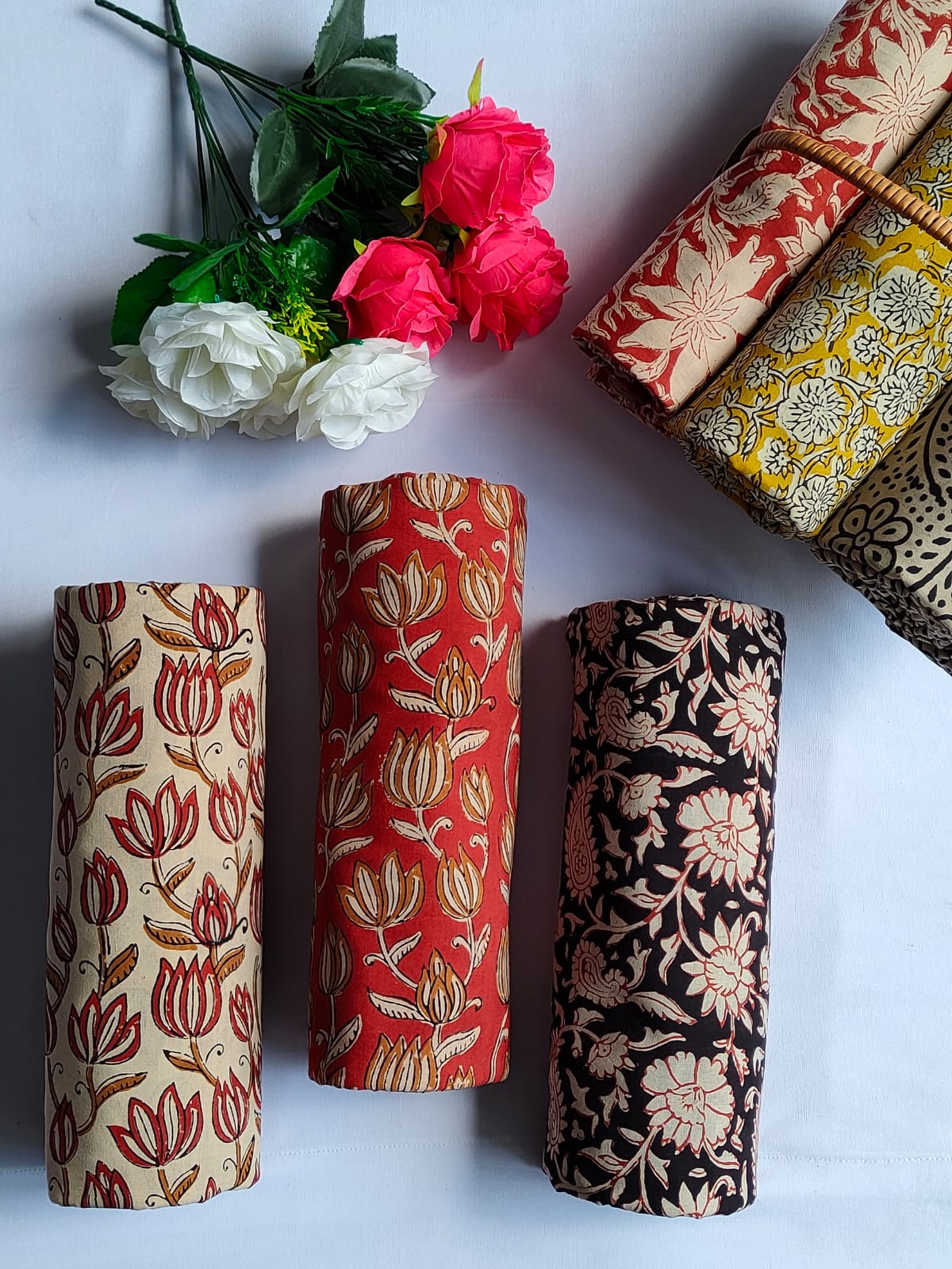


Cotton fabric remains a popular choice for clothing, sewing, home accessories, and handmade products. Whether you are designing everyday garments, creating a small fashion collection, making tote bags, or looking for distinctive printed textiles, choosing the right cotton fabric is an important part of the process.
If you live in France, you can explore cotton fabrics through local fabric shops, specialist online retailers, textile wholesalers, and international fabric suppliers. Shopping online makes it easier to compare fabric styles, colours, patterns, and prices without visiting multiple stores. It also gives you access to textile designs that may not be readily available in your local area.
However, finding high-quality cotton fabric online requires more than choosing an attractive print. You should check the fibre composition, fabric weight, weave, width, finishing, care instructions, and delivery conditions before placing an order.
For buyers interested in Indian cotton textiles, Jaipur Bazar offers a selection of cotton fabrics, including plain cotton, printed cotton, cotton cambric, mulmul cotton, and traditional Indian prints. French customers can explore the Jaipur Bazar cotton fabric collection to discover different styles for clothing, sewing, creative projects, and handmade products.
This guide explains where to look for cotton fabric in France, how to compare quality, which fabric types suit different projects, and what to consider when ordering from an international supplier.
1. Where Can You Buy High-Quality Cotton Fabric in France?
The best place to buy cotton fabric depends on your project, preferred style, order quantity, and budget. Buyers in France have several options, from local fabric shops to international online retailers.
Local fabric shops in France
Local fabric shops can be a useful starting point if you want to touch the fabric before purchasing it. You can examine its texture, thickness, drape, and colour in person, which is particularly helpful when choosing material for clothing or upholstery-related projects.
A physical shop may also offer advice on how much fabric you need for a particular sewing pattern. This can help if you are new to garment construction or unsure whether a lightweight fabric will provide enough coverage.
The main limitation is selection. Individual shops may not stock every cotton weave, print, or traditional textile style you are looking for.
French online fabric retailers
Online fabric retailers allow you to browse collections, compare specifications, and order material from home. Many shoppers use online stores when they need a specific colour, print, fabric width, or quantity.
Before ordering, check whether the retailer provides detailed product descriptions and clear photographs. Look for fibre composition, fabric width, weight where available, washing instructions, and the price per metre or other stated unit.
Also check delivery charges, estimated delivery times within France, and return conditions. These details can make a significant difference to the overall cost of your purchase.
International cotton fabric suppliers
International suppliers can be worth considering if you are looking for distinctive prints, traditional Indian textiles, or a particular range of cotton fabrics.
For example, Jaipur Bazar offers cotton fabric categories that include printed cotton, plain cotton, cambric, mulmul, and traditional Indian print styles. These options may appeal to French fashion designers, independent labels, sewing enthusiasts, and people making handmade accessories.
Explore the complete cotton fabric collection at Jaipur Bazar to compare available categories.
If you order from a supplier outside France, confirm international shipping availability, delivery charges, applicable taxes, customs requirements, and return arrangements before paying.
Fabric wholesalers for businesses
If you run a clothing brand, boutique, sewing studio, or handmade product business, a fabric wholesaler may be more suitable than a retailer selling small quantities.
Wholesale purchasing can be useful when you need enough material for a collection or repeated production. However, compare minimum order quantities, pricing tiers, fabric specifications, and stock availability before choosing a supplier.
Ask whether the same fabric design can be reordered and whether future batches may differ in colour or print placement. These details are important when consistency matters to your business.
2. What Makes Cotton Fabric High Quality?
Not all cotton fabrics have the same characteristics. Two fabrics made from cotton can differ considerably in softness, strength, thickness, drape, and appearance.
Quality depends on several factors, including fibre characteristics, yarn quality, weave construction, finishing, dyeing, printing, and intended use.
Fibre composition
Start by checking whether the fabric is 100% cotton or a blend. A product described as cotton fabric should have a clear fibre-content specification.
Cotton blends may be appropriate for certain applications, but they can behave differently from pure cotton. If your project requires natural cotton fibre, confirm the composition rather than relying on phrases such as cotton feel.
For a broader understanding of cotton, read the main types of cotton used in fabric production.
Weave and construction
The weave influences the fabric's appearance, drape, and handling. Plain-weave cotton is used for many everyday sewing applications, while other constructions create different surface textures and fabric behaviour.
A closely constructed fabric may provide a smoother surface, while a more open construction may feel lighter. Neither characteristic automatically determines overall quality. The right choice depends on the purpose of the finished item.
You can learn more in the guide to different types of woven cotton fabrics used in clothing.
Weight and thickness
Fabric weight affects how the material hangs, feels, and performs. Lightweight cotton can work well for certain summer garments, scarves, and soft accessories. Medium-weight cotton may suit shirts, dresses, pouches, and many everyday sewing projects.
Heavier or more structured cotton fabrics may be better for selected bags, organisers, or decorative home accessories. The required strength still depends on the construction and intended use.
Do not assume that a heavier fabric is always better. A lightweight material may be the correct choice for a garment that needs movement and drape.
Surface finish and appearance
Finishing can affect a fabric's smoothness, feel, and appearance. Printing and dyeing also influence the finished surface.
When buying online, examine close-up product images and read the description carefully. Look for information about the print, colour, texture, and any special care requirements.
For additional guidance, see how to identify high-quality cotton fabric.
3. Which Types of Cotton Fabric Should You Look for in France?
The right cotton fabric depends on what you intend to make. Buyers looking for everyday clothing may prioritise comfort and drape, while craft makers may focus on colour, print scale, or ease of sewing.
Plain cotton fabric
Plain cotton is a versatile option for a range of sewing and craft projects. Depending on its weight and construction, it can be used for shirts, dresses, linings, pouches, fabric organisers, patchwork, and selected home accessories.
Solid colours are particularly useful when you want a simple design or need a fabric that coordinates with printed material.
If you are developing a clothing collection, plain cotton can also provide a straightforward base for designs that rely on shape, stitching, or additional details.
Browse the plain cotton fabric collection to explore available options.
Printed cotton fabric
Printed cotton is a good option when you want colour and pattern to play a central role in the finished product.
Floral prints, geometric designs, small motifs, and larger patterns can suit different applications. Smaller prints may work well for compact accessories, while larger motifs can become a feature on cushion covers, tote bags, or garment panels.
When selecting printed fabric, consider the scale and direction of the design. You may need extra material to align patterns across seams or make the motifs face a particular direction.
Explore printed cotton fabrics at Jaipur Bazar.
Cotton cambric
Cotton cambric is generally a lightweight, closely constructed cotton fabric. It can be suitable for shirts, dresses, tunics, and other projects that benefit from a relatively smooth surface.
Its suitability depends on the particular fabric's weight, construction, and finish. If you are making an item that requires structure or additional coverage, consider whether lining or interfacing is necessary.
Cambric may be worth considering for designers seeking lightweight cotton options for selected clothing styles.
Explore the cotton cambric fabric collection.
Mulmul cotton
Mulmul is commonly associated with soft, lightweight cotton fabric. It can suit certain loose-fitting garments, scarves, soft accessories, and projects where a gentle drape is desirable.
Because lightweight fabrics can be relatively sheer or delicate depending on their construction, check the material's specifications before selecting it for a particular garment.
If the design requires greater coverage, you may need to use a lining or multiple layers.
See the mulmul cotton fabric collection.
Hand block-printed cotton
Hand block-printed cotton is an interesting option for French buyers looking for textile patterns associated with traditional Indian craftsmanship.
These fabrics can be used for clothing, bags, cushion covers, table accessories, and other fabric-based projects. Traditional patterns can add character to contemporary designs without requiring elaborate embellishment.
Because printing is a craft process, minor variations in pattern placement may occur. Check the product information and photographs if exact alignment is important for your project.
Explore hand block print cotton fabrics.
Bagru print cotton
Bagru printing is associated with traditional textile printing from Rajasthan, India. Bagru-inspired patterns can work well for garments, accessories, and home textiles that benefit from distinctive motifs.
If you are a designer or independent maker, these prints can provide an alternative to the patterns commonly found in mass-market fabric collections.
Before buying, check the base fabric, print scale, colour palette, and care instructions.
Browse the Bagru print cotton collection.
Dabu cotton fabric
Dabu is a traditional resist-printing technique associated with distinctive patterns and earthy visual effects. Dabu cotton fabric can be considered for selected garments, bags, cushion covers, and decorative textile products.
As with other printed fabrics, the underlying cotton construction determines how the material drapes and performs. Choose the fabric according to the final product rather than the print alone.
Explore the Dabu cotton fabric collection.
4. How to Choose Cotton Fabric for Clothing and Sewing
If you are buying cotton fabric in France for garment making, start with the pattern and the intended use of the clothing.
For shirts and blouses
Look for a cotton fabric with a weight and drape suitable for the design. A lightweight or medium-weight fabric may work for many shirts and blouses, but the right choice depends on the fit, construction, and desired appearance.
Check the opacity, especially if the garment will be worn without a lining. Consider whether the design needs a crisp finish or a softer drape.
For dresses and tunics
The ideal fabric depends on whether the garment is fitted, loose, gathered, or structured. Lightweight cotton may work for some relaxed styles, while other designs may require a firmer material.
If the dress includes gathers or pleats, consider how much volume the fabric will create. Always check the pattern recommendations before choosing a substitute fabric.
For summer clothing
Many shoppers look for lightweight cotton fabrics for warm-weather garments. However, breathability and comfort depend on more than fibre content alone. Fabric construction, weight, fit, and finishing also matter.
Read the guide to the best lightweight cotton fabrics for summer clothing for further guidance.
For sewing beginners
If you are learning to sew, a relatively stable plain cotton fabric can be a practical choice for basic projects. It may be easier to cut and handle than very delicate or slippery materials.
Start with a simple item such as a cushion cover, tote bag, or basic garment. Make a small test first to check the needle, stitch length, and tension.
5. Buying Cotton Fabric Online in France: What to Check Before Ordering
Online shopping offers convenience, but it is important to verify the details before placing an order.
Read the complete product description
Check the fibre composition, fabric width, price unit, available quantity, and care instructions. If weight or other construction details are available, compare them with your project's requirements.
Do not rely only on the product name or promotional photograph. A detailed description gives you a better basis for comparing different fabrics.
Understand the price and measurement unit
Fabric prices may be quoted per metre, per yard, or per fixed-length piece. Confirm exactly what you will receive for the listed price.
For example, a fabric sold by the metre is different from a listing for a pre-cut piece. Also check the width, since this affects how efficiently you can cut pattern pieces.
Review shipping to France
If you are ordering from an international supplier, confirm that the store delivers to your French address.
Review the delivery estimate, shipping cost, tracking options, and the process for dealing with a delayed or damaged order. Delivery conditions can vary depending on the supplier and destination.
Check taxes and customs charges
For orders shipped internationally, check whether import duties, taxes, or other charges may apply. The treatment can depend on the shipment's origin, value, product classification, and the applicable rules.
Review the seller's checkout information and consult official French or EU customs guidance if you need to calculate the full landed cost. Do not assume that the price displayed on the product page is the final amount you will pay.
Understand returns and exchanges
Read the return policy before purchasing. Cut fabric, custom orders, and made-to-measure products may be subject to different conditions from standard products.
Check the return window, refund process, and whether return shipping is your responsibility. For international orders, return shipping may make exchanging a low-cost fabric impractical.
Ask for samples where possible
If colour, texture, or fabric weight is critical, consider ordering a sample if the seller offers one.
A sample can help you judge the material more accurately than a photograph. It is particularly useful when selecting fabric for a clothing collection or when several fabrics need to coordinate.
6. How to Find Cotton Fabric Suppliers for a Fashion Business in France
If you run an independent fashion label, boutique, sewing studio, or handmade product business, your sourcing needs may differ from those of an individual buying fabric for one project.
You may need larger quantities, repeat availability, consistent specifications, and prices that allow you to maintain a workable production budget.
Compare minimum order quantities
Some suppliers sell fabric in small quantities, while wholesalers may require larger purchases. Choose a supplier whose minimum order quantity suits your business and production plan.
If you are testing a new design, a smaller initial order may help you validate the product before committing to more stock.
Evaluate repeat availability
If your business uses the same fabric across several production runs, ask whether the design is likely to remain available.
Printed fabrics can change between production batches, and some designs may not be restocked. Keep this in mind if your customers expect the same colour and print over time.
Calculate the full cost per garment
Fabric cost is only one part of production. Include shipping, applicable taxes, cutting waste, lining, thread, fasteners, and other materials when estimating the cost of each finished item.
If you order from outside France, calculate the landed cost rather than comparing the product price alone.
Test the fabric before scaling up
Create a sample garment or product before purchasing material for a large production run. Check the fit, drape, stitching, print placement, and performance after appropriate care.
This is particularly important when working with a new supplier or a fabric construction you have not used before.
Consider traditional Indian cotton prints
Designers who want to explore textile patterns beyond standard commercial prints may consider Indian hand block, Bagru, and Dabu fabrics.
These styles can be used in contemporary garments, accessories, and home products. The key is to select a base fabric and print that fit the intended design.
Jaipur Bazar's hand block print cotton collection, Bagru print collection, and Dabu cotton collection provide starting points for exploring these styles.
7. Why Consider Jaipur Bazar for Cotton Fabric in France?
Jaipur Bazar offers cotton fabric categories for shoppers interested in plain, printed, lightweight, and traditional Indian textile styles.
For buyers in France, exploring an international fabric collection can be useful when searching for patterns and styles that differ from those available in nearby fabric shops. The right choice still depends on your project's technical requirements and the product specifications.
Start with the Jaipur Bazar all-cotton fabric collection if you want to compare different categories.
If your project requires a simple solid-colour fabric, browse plain cotton fabrics. For patterned garments and accessories, explore printed cotton fabrics.
You can also compare cotton cambric, mulmul cotton, hand block-printed cotton, Bagru print cotton, and Dabu cotton fabric.
Before ordering, confirm that the specific product is available for delivery to France. Check the quantity, price unit, international shipping charges, taxes, and return conditions so that you understand the full cost of your purchase.
8. How to Care for Cotton Fabric After Buying
Once your fabric arrives, proper handling can help you prepare it for sewing and maintain the finished product.
Check the care instructions
Follow the supplier's washing and ironing recommendations. Cotton fabrics can shrink or change appearance depending on their construction, finishing, dyes, and washing conditions.
If you are making a garment, consider whether the fabric should be prewashed before cutting. Follow the fabric supplier's guidance and test a small piece if you are unsure.
Test for colour transfer
If you are working with strongly coloured or printed cotton, check whether the colour transfers during washing. This is especially important when combining contrasting fabrics in patchwork, clothing, or accessories.
Follow the care instructions and test a scrap where colourfastness is a concern.
Store unused fabric properly
Keep fabric in a clean, dry place away from excessive moisture and prolonged direct sunlight. Fold or roll the material so it remains easy to identify and use.
For more detailed guidance, read the best ways to care for and wash woven cotton fabrics.
Frequently Asked Questions
1. Where can I buy high-quality cotton fabric in France?
You can explore local fabric shops, French online fabric retailers, specialist sewing stores, and international cotton fabric suppliers. Compare product specifications, shipping costs, and return policies before purchasing. Jaipur Bazar offers a range of cotton fabric collections, subject to availability and delivery options for France.
2. Can I order Indian cotton fabric online in France?
You can look for international suppliers that offer Indian cotton fabrics and ship to France. Before placing an order, confirm delivery availability, shipping charges, applicable taxes, customs requirements, and return arrangements.
3. Which cotton fabric is best for clothing?
The best option depends on the garment. Lightweight cotton can suit some summer clothing, while other designs may require a more structured fabric. Check the pattern recommendations, opacity, drape, and fabric weight before buying.
4. Is printed cotton suitable for sewing projects?
Yes. Printed cotton can be used for garments, bags, cushion covers, patchwork, and other fabric-based projects. Consider print scale, pattern direction, fabric construction, and care requirements before ordering.
5. What is the difference between cotton cambric and mulmul?
Cotton cambric is generally a lightweight, closely constructed cotton fabric with a relatively smooth surface. Mulmul is commonly associated with a soft, lightweight feel and drape. The exact properties of both depend on the specific fabric construction and finishing.
6. Can French clothing brands buy cotton fabric from Jaipur Bazar?
Fashion businesses can explore Jaipur Bazar's cotton fabric collections and check whether the required products, quantities, and international delivery arrangements are available. Business buyers should confirm minimum quantities, pricing, stock availability, and shipping conditions before committing to production.
7. How can I check cotton fabric quality online?
Review the fibre composition, fabric width, weight or construction details where available, photographs, care instructions, and customer feedback. If the fabric needs to meet specific requirements, request a sample where possible.
8. Should I buy a fabric sample before placing a large order?
If the seller offers samples, they can be helpful when colour, texture, weight, or print scale is important. Testing a sample is particularly useful for clothing collections and repeat production orders.
9. Are traditional Indian cotton prints suitable for modern fashion?
Yes. Hand block, Bagru, and Dabu print styles can be incorporated into contemporary garments, bags, accessories, and home products. The suitability depends on the base fabric, print design, and intended use.
10. What additional costs should I consider when importing cotton fabric into France?
Depending on the shipment, you may need to account for shipping, applicable import taxes, customs duties, and handling charges. Check the supplier's checkout information and the relevant official customs guidance before ordering.
Final Thoughts
Finding high-quality cotton fabric in France becomes easier when you compare suppliers according to your actual requirements. Consider fibre composition, fabric construction, weight, width, print, and care instructions before making a decision.
Local shops can help when you want to inspect the fabric in person, while online retailers and international suppliers can provide access to a wider variety of colours, patterns, and textile styles.
If you are looking for Indian cotton fabrics for clothing, sewing, creative projects, or a small fashion business, explore Jaipur Bazar's cotton fabric collection. Compare plain cotton, printed cotton, cambric, mulmul, and traditional print styles to find options that suit your project.
Before placing an international order, verify delivery to France, the total landed cost, product availability, and return conditions. Taking these steps can help you choose fabric with greater confidence and make better decisions for your next sewing or fashion project.