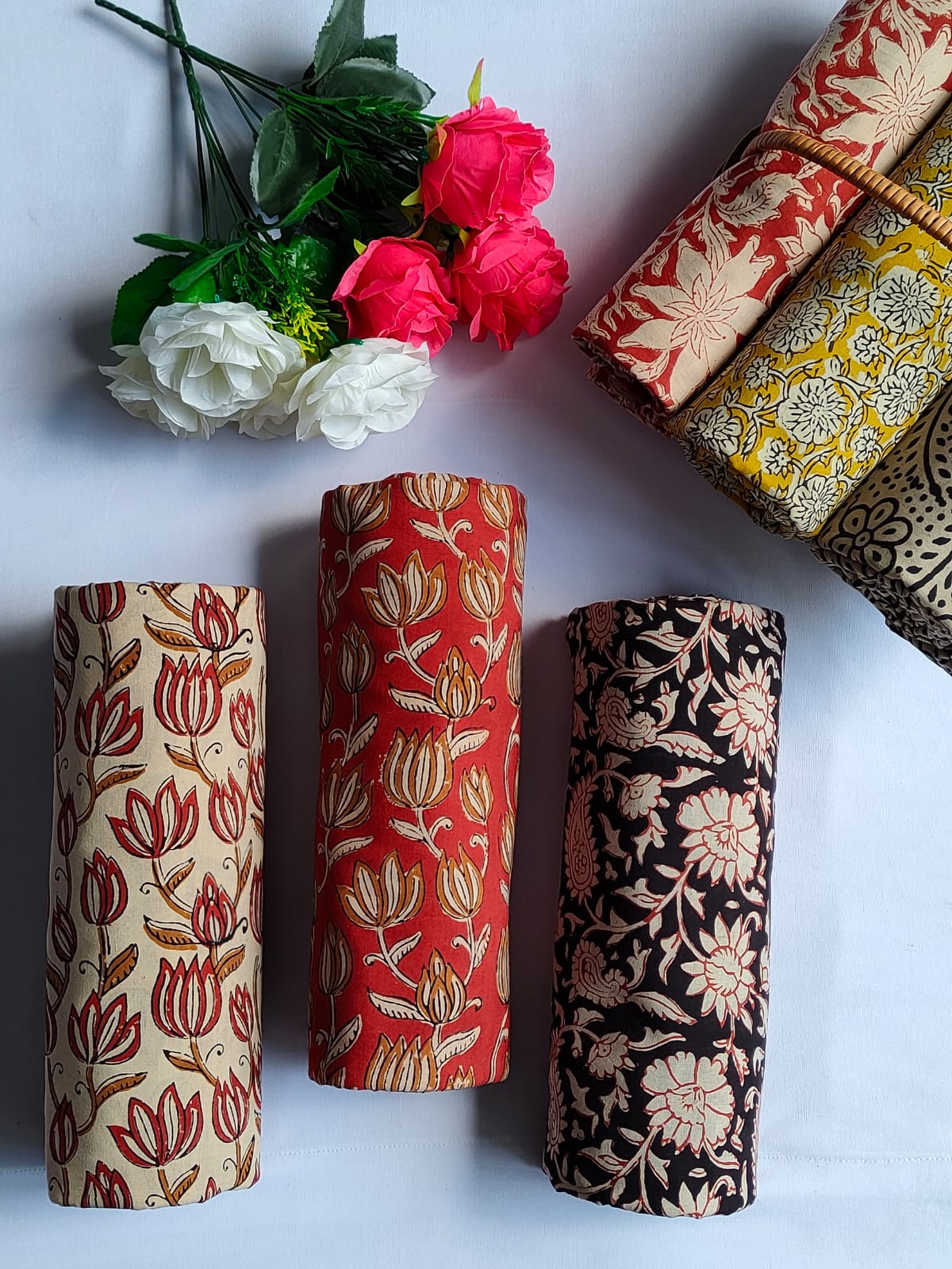


Fine cotton yarn and quality craft supplies make it easier to bring creative ideas to life. Whether you enjoy crochet, knitting, embroidery, sewing, quilting, fabric painting, or making handmade accessories, choosing the right materials can make a noticeable difference to the finished product. The right cotton yarn can help create neat stitches and lightweight designs, while suitable cotton fabric provides a dependable base for clothing, home accessories, patchwork, and other DIY projects.
Shopping online gives you access to a broad selection of yarns, fabrics, threads, and craft materials without visiting several physical stores. However, the variety of products available can also make choosing difficult. Yarn thickness, fibre composition, colour accuracy, fabric construction, and product descriptions all deserve attention before you place an order.
If you are wondering where to buy fine cotton yarn and related craft supplies online, start by identifying the materials your project requires. Then compare specialist yarn shops, sewing supply stores, craft marketplaces, and fabric retailers according to their product range, specifications, pricing, and delivery policies.
For projects that use fabric alongside yarn, Jaipur Bazar offers a range of cotton fabric options, including plain cotton, cotton cambric, mulmul cotton, printed cotton, and traditional Indian block-printed fabrics. You can explore the Jaipur Bazar cotton fabric collection to find materials for sewing, fabric-based crafts, and handmade products.
1. Where to Buy Fine Cotton Yarn and Craft Supplies Online
The best online store depends on the type of craft you want to make. A person looking for fine crochet yarn may need a different supplier from someone buying cotton fabric for a quilt, handmade bag, or embroidered garment.
Before choosing a store, consider what you need, how much material the project requires, and whether the seller provides enough information to help you make an informed purchase.
Specialist yarn and knitting stores
Specialist yarn stores are a useful starting point if your project requires fine cotton yarn for knitting, crochet, amigurumi, lacework, or other fibre crafts. These stores may offer different yarn weights, fibre blends, colour ranges, and ball or skein sizes.
Look for product descriptions that mention:
-
Fibre composition, such as 100% cotton or a cotton blend
-
Yarn weight and recommended needle or hook size
-
Length and weight of each ball or skein
-
Care instructions
-
Available colours and dye-lot information, where relevant
-
Suggested projects and skill levels
Fine cotton yarn is not automatically suitable for every crochet or knitting project. A lightweight yarn may work well for delicate accessories, decorative motifs, and small items, while a thicker yarn may be easier to handle for beginners or larger projects.
Online sewing and embroidery supply stores
Sewing and embroidery suppliers are worth exploring if you need cotton sewing thread, embroidery floss, needles, hoops, fabric markers, or other tools. Some stores also stock yarn, fabric, buttons, zippers, and decorative materials.
Buying related supplies from one seller can simplify ordering and reduce the need to compare delivery charges across several websites. However, check the specifications of each item rather than assuming every product is suitable for your project.
Online fabric retailers
Fabric retailers are especially useful when your craft project includes both yarn-based work and cut fabric. You might use fine cotton yarn for crochet edging and cotton fabric for the main body of a cushion cover, garment, pouch, or decorative accessory.
Jaipur Bazar is a relevant option for shoppers who need cotton fabric for handmade products and sewing projects. Browse the all-cotton fabrics collection to compare available fabric styles.
Keep in mind that cotton yarn and cotton fabric are different products. A fabric retailer may not sell fine yarn, crochet hooks, or embroidery tools. Confirm that the store stocks the exact supplies you need before placing your order.
Craft marketplaces and independent sellers
Online marketplaces can help you discover small businesses, independent makers, specialty yarns, and unusual colours or textures. They can be particularly useful when you are looking for handmade, niche, or decorative materials.
Before buying, review the seller's ratings, product photographs, return policy, shipping estimates, and customer feedback. Check whether the listing describes the actual fibre content and quantity being sold.
Photographs alone are not enough to judge quality. A product can look soft or fine on screen but feel different in person. When possible, order a small quantity first or request a sample if the seller offers one.
2. What Is Fine Cotton Yarn?
Cotton yarn is made from cotton fibres spun into strands. The strands can vary in thickness, twist, softness, strength, and finish. These differences affect how the yarn behaves during knitting, crochet, embroidery, weaving, and other craft activities.
The term "fine cotton yarn" generally refers to relatively thin yarn, but it does not describe one universal thickness. Retailers may use yarn-weight categories, numerical systems, or their own product descriptions. Always check the actual specifications instead of relying on the word "fine" alone.
Fine cotton yarn is commonly used for:
-
Delicate crochet patterns
-
Lightweight knitted accessories
-
Decorative motifs and lacework
-
Small amigurumi projects
-
Embroidery and ornamental textile work, depending on the yarn type
-
Handmade jewellery and small decorative items
-
Lightweight woven or textile craft projects
The best yarn depends on the intended result. A tightly twisted yarn may help define stitches, while a softer yarn may suit a different style of project. Fibre quality, spinning, construction, and finishing all influence the final result.
If your project also involves choosing cotton fabric, learning about fibre quality can help you make better purchasing decisions. Read the guide on how to identify high-quality cotton fabric for useful checks when comparing cotton materials.
3. How to Choose the Right Fine Cotton Yarn
Buying yarn online is easier when you know which characteristics matter for your project. Rather than choosing based only on price or colour, compare the yarn's specifications and intended use.
Check the fibre composition
Start by reading the fibre-content label. Some products are made from 100% cotton, while others combine cotton with acrylic, polyester, bamboo-derived fibres, or other materials.
Pure cotton and cotton blends can behave differently. A blend may provide characteristics that suit a particular project, but it will not have exactly the same properties as 100% cotton.
If natural fibre content is important to you, confirm the percentage rather than relying on labels such as "cotton feel" or "cotton-like." Those terms do not necessarily mean that the yarn is made entirely from cotton.
For a broader understanding of cotton fibre and fabric, explore the main types of cotton used in fabric production.
Understand yarn weight and thickness
Yarn thickness influences stitch size, fabric density, drape, and the amount of detail you can achieve. Fine yarn is useful for small stitches and delicate patterns, but it can take longer to work with than a medium- or bulky-weight yarn.
Check the recommended hook or needle size, if supplied. You should also look at the pattern instructions if you are following a particular design.
If a project specifies a particular yarn weight, choosing a substantially thicker or thinner yarn can change the finished dimensions. Make a small test swatch before starting a larger project, especially when size and fit matter.
Compare the yarn length and total quantity
Two yarn balls can have the same weight but different lengths. This may happen because of differences in fibre composition, yarn thickness, or construction.
Compare the weight and length of each ball or skein. Then calculate the total quantity required for your project. If a pattern recommends a particular number of metres or yards, use that measurement where possible.
It is sensible to purchase a little extra for sampling, finishing, and minor mistakes. For larger projects, try to buy enough yarn from the same dye lot, where applicable, to reduce the risk of noticeable colour variation between batches.
Consider softness and stitch definition
Softness is a personal preference, and it is not the only indicator of quality. A yarn that feels very soft may not necessarily provide the stitch definition you want, while a firmer yarn may work better for structured designs.
Read reviews that describe the yarn's actual use. Look for comments about splitting, tangling, uneven thickness, colour consistency, and how the finished project holds its shape.
When possible, order a small quantity before committing to a large project.
Choose colours carefully
Online colour representation depends on product photography, lighting, and your screen settings. The shade you see may differ slightly from the yarn delivered.
If you are combining yarn with printed cotton fabric, compare the colour families rather than expecting an exact match from photographs. For example, a cream yarn may coordinate well with a warm floral print, while a bright white may create a sharper contrast.
For projects requiring several matching materials, order them together where practical and check the seller's colour information.
4. Related Craft Supplies Worth Buying Online
Fine cotton yarn is only one part of many textile craft projects. Depending on what you are making, you may also need tools, threads, fabric, fasteners, or finishing materials.
Crochet hooks and knitting needles
Choose a hook or needle size appropriate for your yarn and pattern. The recommended size on the yarn label is a useful starting point, but you may need to adjust it to achieve the correct tension.
Aluminium, steel, bamboo, and other materials offer different handling experiences. Fine crochet yarn may require a smaller hook than thicker yarn, so check the dimensions before purchasing.
Cotton sewing thread
Cotton sewing thread may be useful for certain sewing and decorative projects, but thread type should match the fabric and intended use. Some projects benefit from polyester or blended thread instead.
Check the thread's thickness, strength, colour, and compatibility with your sewing machine or hand-sewing method. If you are sewing garments that will be washed frequently, test the thread and fabric together before making the complete item.
Embroidery floss and needles
Embroidery floss is designed for decorative stitching and is available in a range of colours and strand constructions. It is not interchangeable with every type of fine cotton yarn.
Choose needles with an eye that accommodates your thread without creating unnecessarily large holes in the fabric. For embroidery on lightweight cotton, test the needle and stitch tension on a fabric scrap first.
Fabric scissors, measuring tools, and markers
Sharp fabric scissors, measuring tapes, rulers, pins, clips, and suitable marking tools can make sewing projects easier to manage.
Use marking tools designed for the fabric and test them on an inconspicuous area first. Some marks may be difficult to remove from delicate or dark materials.
Buttons, zippers, and other finishing supplies
Garments, bags, pouches, and home accessories may require buttons, zippers, elastic, interfacing, lining fabric, or decorative trims.
Check the dimensions and intended application of each component. A zipper that is too short or interfacing that is too heavy can affect the finished product even when the main fabric is suitable.
Cotton fabric for mixed-media projects
If you are combining yarn work with sewing, the fabric you choose matters just as much as the yarn. Cotton fabric can be used for patchwork, quilted accessories, cushion covers, bags, clothing, fabric collage, and other handmade products.
Different cotton fabrics offer different weights, textures, and surface appearances. For example, lightweight cotton may suit gathered details or delicate accessories, while a more structured fabric may be preferable for some bags and organisers.
Explore Jaipur Bazar's printed cotton fabrics if your project needs colour or pattern, or browse plain cotton fabrics for simpler designs and coordinated craft projects.
5. Which Cotton Fabrics Work Best for DIY and Handmade Crafts?
The right fabric depends on the project's construction, intended use, and appearance. There is no single cotton fabric that is ideal for every craft.
Plain cotton fabric
Plain cotton fabric is a versatile option for sewing practice, fabric painting, simple pouches, patchwork, linings, and many everyday handmade accessories.
Its suitability depends on the fabric's thickness, weave, and finish. A lightweight plain cotton may be useful for a soft accessory, while a firmer construction may be better for an item that needs more structure.
Browse the plain cotton fabric collection to explore available options.
Cotton cambric
Cotton cambric is generally a lightweight, closely constructed cotton fabric. Depending on its weight and finish, it can be used for clothing, lightweight accessories, fabric-based crafts, and projects that need a relatively smooth surface.
Before choosing cambric for a bag or other structured item, consider whether the fabric needs lining, interfacing, or reinforcement.
You can explore cotton cambric fabrics at Jaipur Bazar.
Mulmul cotton
Mulmul is commonly associated with soft, lightweight cotton fabric. It may suit projects such as delicate decorative layers, lightweight scarves, selected clothing styles, and crafts where a soft drape is important.
Because lightweight fabrics can be more delicate or translucent depending on their construction, consider how the material will be handled, stitched, and finished. Use an appropriate needle and test your stitches before beginning the final project.
See the mulmul cotton fabric collection for available styles.
Printed cotton fabric
Printed cotton can add visual interest to bags, cushion covers, fabric organisers, patchwork, quilt blocks, handmade gifts, and clothing.
When buying printed fabric, look at the scale of the design as well as its colour. Large motifs may work well on a cushion cover or tote bag, while smaller prints can be easier to position on compact items such as pouches.
Check the product description for fabric width, composition, and any care instructions. If the design has a clear direction, calculate how much fabric you need to align the pattern across multiple pieces.
Explore printed cotton fabrics for projects that need a patterned surface.
Hand block-printed cotton
Hand block-printed cotton is an option for craft makers who appreciate traditional Indian textile patterns. It can be used for selected garments, bags, cushion covers, table accessories, and other fabric-based products.
Traditional prints may show slight variations associated with the printing process. If exact pattern placement is important, inspect the available product photographs and descriptions before buying.
Jaipur Bazar has a dedicated collection of hand block print cotton fabrics. You can also explore Bagru print cotton fabrics for craft projects inspired by traditional printing styles.
Dabu cotton fabric
Dabu printing is a traditional resist-printing technique associated with distinctive patterns and earthy visual effects. Dabu cotton fabric can be considered for selected home accessories, bags, clothing, and decorative textile projects.
As with other printed materials, check the fabric's composition, weight, width, and care instructions. The printing technique alone does not determine whether a particular fabric is suitable for a project.
Explore the Dabu cotton fabric collection to compare available designs.
6. How to Judge Quality When Buying Craft Materials Online
When you cannot physically inspect a product before purchasing, product information becomes especially important. A careful review of the listing can help you avoid buying a material that does not match your project.
Read the full product description
Do not rely only on the product name. Look for fibre composition, dimensions, quantity, weight, construction, and recommended uses.
For fabric, check the width and price basis. A listing may quote a price per metre, per piece, or for a fixed-length cut. For yarn, confirm the ball weight, length, and number of balls included.
If important details are missing, contact the seller before ordering.
Examine product photographs
Photographs can help you assess colour, texture, print scale, and general appearance. However, a close-up image may not show the true scale of a design, so look for photographs that display the material in context.
For fabric, determine whether the image shows the full width, a close-up, or a finished product. For yarn, check whether the listing shows the strand and a completed sample, if available.
Look for clear return and exchange policies
Return policies vary by seller and product type. Cut fabric, custom orders, and opened craft supplies may be subject to different conditions from unused standard products.
Read the policy before paying. Check the permitted return period, eligibility requirements, refund process, and whether return shipping is the buyer's responsibility.
Compare total cost, not just the listed price
A lower price does not always mean better value. Compare the quantity, dimensions, material composition, shipping charges, and any applicable taxes.
For yarn, compare the cost per metre or yard when the information is available. For fabric, compare prices using the same unit and account for the width and quality of the material.
If you are sourcing supplies for repeated projects or a small craft business, consistent quality and reliable availability may matter as much as the initial price.
Check customer reviews thoughtfully
Reviews can reveal practical details that are not obvious from product photographs. Look for comments about colour accuracy, yarn consistency, fabric thickness, packaging, and delivery.
Give more weight to reviews that describe the specific project or use. A material that works well for embroidery may not be the best option for a structured bag, so context matters.
For additional guidance on cotton fabric quality, read how to identify high-quality woven cotton fabric.
7. Tips for Buying Cotton Yarn and Craft Supplies on a Budget
Crafting can become expensive when a project requires several colours, tools, and materials. A little planning can help you avoid waste without compromising the finished result.
Make a materials list before shopping
Write down every item the project requires, including yarn, fabric, thread, hooks, needles, fasteners, and finishing supplies. Include the required quantities and any specifications provided by your pattern.
This makes it easier to compare sellers and reduces the chance of placing multiple orders for forgotten items.
Start with a small test project
If you are trying a new yarn or fabric, begin with a small sample or project. This gives you an opportunity to check handling, colour, stitch definition, and finished texture before purchasing larger quantities.
A test is especially useful when combining yarn with printed cotton, because the colours and textures may look different together in person than they do on screen.
Reuse tools where practical
Many craft tools can be used across multiple projects. Good scissors, measuring tools, stitch markers, rulers, and storage containers may be more useful long term than repeatedly buying low-cost replacements.
Buy specialised tools when they serve a clear purpose in your work.
Choose materials according to the project's needs
The most expensive material is not automatically the best choice. A simple pouch may not need premium decorative fabric, while a gift or product intended for frequent use may justify spending more on suitable materials.
Match the fabric and yarn to the expected use, appearance, and construction. This is a better approach than choosing materials by price alone.
Plan for colour consistency
If you need multiple balls of yarn or several metres of fabric, purchase enough material for the project when possible. This reduces the risk of colour differences between batches or restocks.
For future projects, keep a record of product names, colours, dimensions, and supplier details so you can identify the same material again.
8. How to Care for Cotton Yarn Projects and Cotton Fabric
Care instructions depend on the yarn, fabric construction, dyes, finishes, and the way an item is made. Always follow the care label where one is provided.
Wash carefully
Cotton items may shrink or change shape under certain washing and drying conditions. Use a suitable washing method for the material and the finished item. When you are unsure, test a small sample or use a gentle wash method appropriate for the product.
Avoid assuming that every cotton item can be washed in hot water or tumble-dried at a high temperature.
Prevent unnecessary colour transfer
For strongly coloured yarn or printed cotton fabric, follow the care instructions and consider washing separately during the first wash if colour transfer is a concern.
Test the colourfastness of fabric when the project is important or when different coloured materials will be stitched together.
Store materials properly
Keep unused yarn and fabric in a clean, dry place away from excessive moisture and direct sunlight. Store yarn in a way that protects it from dust and tangling, and keep fabric folded or rolled according to the amount of space available.
For more detailed advice, read the best ways to care for and wash woven cotton fabrics.
9. Buying Craft Supplies for a Small Handmade Business
If you sell handmade products, buying materials online requires more planning than purchasing supplies for a single personal project. You need to consider repeat availability, cost per finished item, production time, and the consistency of the materials.
Calculate the cost per finished product
Include all materials used in each item, not just the main yarn or fabric. Thread, lining, buttons, zippers, packaging, and wasted material can affect the final cost.
Track the quantity used during your first production run. This helps you estimate how much material to reorder and calculate a more realistic selling price.
Test materials before placing a large order
Before producing multiple items, make a sample using the selected yarn and fabric. Check the finished dimensions, stitching, comfort, durability for the intended use, and appearance after appropriate care.
A small test run can help identify issues before you commit to a larger purchase.
Consider fabric consistency
If your products use printed cotton, small differences in print placement or colour may affect how each finished item looks. For repeat production, ask the supplier about availability and whether the same design is likely to remain in stock.
Do not assume that every design will be restocked exactly as before. If a specific print is central to your product range, plan for substitutions or buy sufficient material for the intended production run.
Choose materials that suit your customers
A handmade product should use materials suited to its purpose. Lightweight cotton may be appropriate for some garments and accessories, while a bag or organiser may require a more structured fabric, lining, or reinforcement.
If you sell products made with traditional prints, consider how the print scale and placement will look on the final item. Order samples or make prototypes before committing to a large batch.
Jaipur Bazar's printed cotton fabric collection and hand block print cotton collection are useful starting points for exploring patterned cotton for fabric-based products.
10. Why Choose Jaipur Bazar for Cotton Fabric Used in Craft Projects?
When a project requires cotton fabric in addition to yarn and other supplies, choosing a retailer with a relevant fabric selection can save research time. Jaipur Bazar offers cotton fabric collections for shoppers exploring plain, printed, lightweight, and traditional Indian print styles.
You can use these collections to compare materials for sewing, clothing, accessories, patchwork, decorative items, and other fabric-based projects.
Start with the complete cotton fabric collection if you want to explore different categories. If you already know the type of fabric you need, browse the plain cotton collection, cotton cambric collection, or printed cotton collection.
For traditional patterns, explore hand block print cotton, Bagru prints, and Dabu cotton fabric.
Remember that Jaipur Bazar's fabric collections are intended for sourcing cotton fabric. If you specifically need fine cotton yarn, crochet hooks, knitting needles, embroidery floss, or other specialist craft tools, verify that the seller stocks those items or purchase them from a dedicated yarn or craft supplier.
Frequently Asked Questions
1. Where can I buy fine cotton yarn online?
You can buy fine cotton yarn from specialist yarn shops, knitting and crochet stores, sewing supply websites, and online craft marketplaces. Compare fibre composition, yarn weight, length, colour, reviews, and delivery terms before choosing a seller.
2. How do I know whether cotton yarn is suitable for crochet?
Check the yarn weight, recommended hook size, fibre composition, and pattern requirements. Fine cotton yarn can be suitable for delicate crochet work, decorative motifs, and small accessories, but the best choice depends on the desired stitch definition and finished dimensions.
3. Is 100% cotton yarn better than cotton-blend yarn?
Neither option is automatically better for every project. Pure cotton may suit projects where cotton fibre content is important, while a blend may offer characteristics useful for a particular design. Compare the composition and intended use before buying.
4. Can I use cotton fabric and cotton yarn together?
Yes. Cotton yarn and cotton fabric can be combined in projects such as fabric bags with crochet details, cushion covers, decorative panels, handmade accessories, and mixed-media textile crafts. Choose materials with compatible colours, weights, and care requirements.
5. Which cotton fabric is suitable for DIY crafts?
Plain cotton, cotton cambric, mulmul, printed cotton, and hand block-printed cotton can all be useful, depending on the project. Consider fabric thickness, weave, drape, print scale, and whether the finished item needs lining or reinforcement.
6. Where can I buy cotton fabric for handmade products online?
You can explore Jaipur Bazar's all-cotton fabric collection, which includes different cotton fabric categories. Check each product description for composition, dimensions, availability, and care information before ordering.
7. What should I check before buying craft supplies online?
Review product specifications, quantity, colour options, photographs, customer feedback, shipping charges, delivery estimates, and the return policy. For yarn and fabric, pay particular attention to fibre content, thickness, length or width, and the quantity supplied.
8. How much cotton yarn should I buy for a project?
Use the pattern's recommended quantity or estimated yarn length where available. Buy enough for the full project and, when practical, a little extra for swatches and finishing. For larger projects, check whether the required colours are available in the same dye lot.
9. Can cotton cambric be used for bags and pouches?
Cotton cambric can be used for some bags and pouches, but its suitability depends on the fabric's weight and construction. Lightweight versions may need lining or interfacing to provide the required structure and support.
10. How can I avoid wasting money when buying craft supplies?
Plan your materials list, compare prices using the same unit, read product specifications, and test unfamiliar materials with a small project first. For larger orders, confirm availability and colour consistency before purchasing the full quantity.
Final Thoughts
Finding the best fine cotton yarn and related craft supplies online starts with understanding your project. Compare yarn thickness, fibre composition, length, and colour before buying, and choose hooks, threads, needles, and finishing supplies that suit the work you want to create.
If your project also requires fabric, pay attention to cotton type, weight, weave, print, and care instructions. Plain cotton can work well for many basic sewing projects, while cambric, mulmul, printed cotton, and traditional block-printed fabrics offer different possibilities for garments, accessories, and decorative crafts.
Explore Jaipur Bazar's cotton fabric collections to find fabric options for your next sewing or handmade project. For fine cotton yarn and specialist craft tools, choose a dedicated supplier that clearly lists product specifications and provides reliable purchasing information. With a little research and careful material selection, you can buy supplies that suit your design, budget, and intended use.