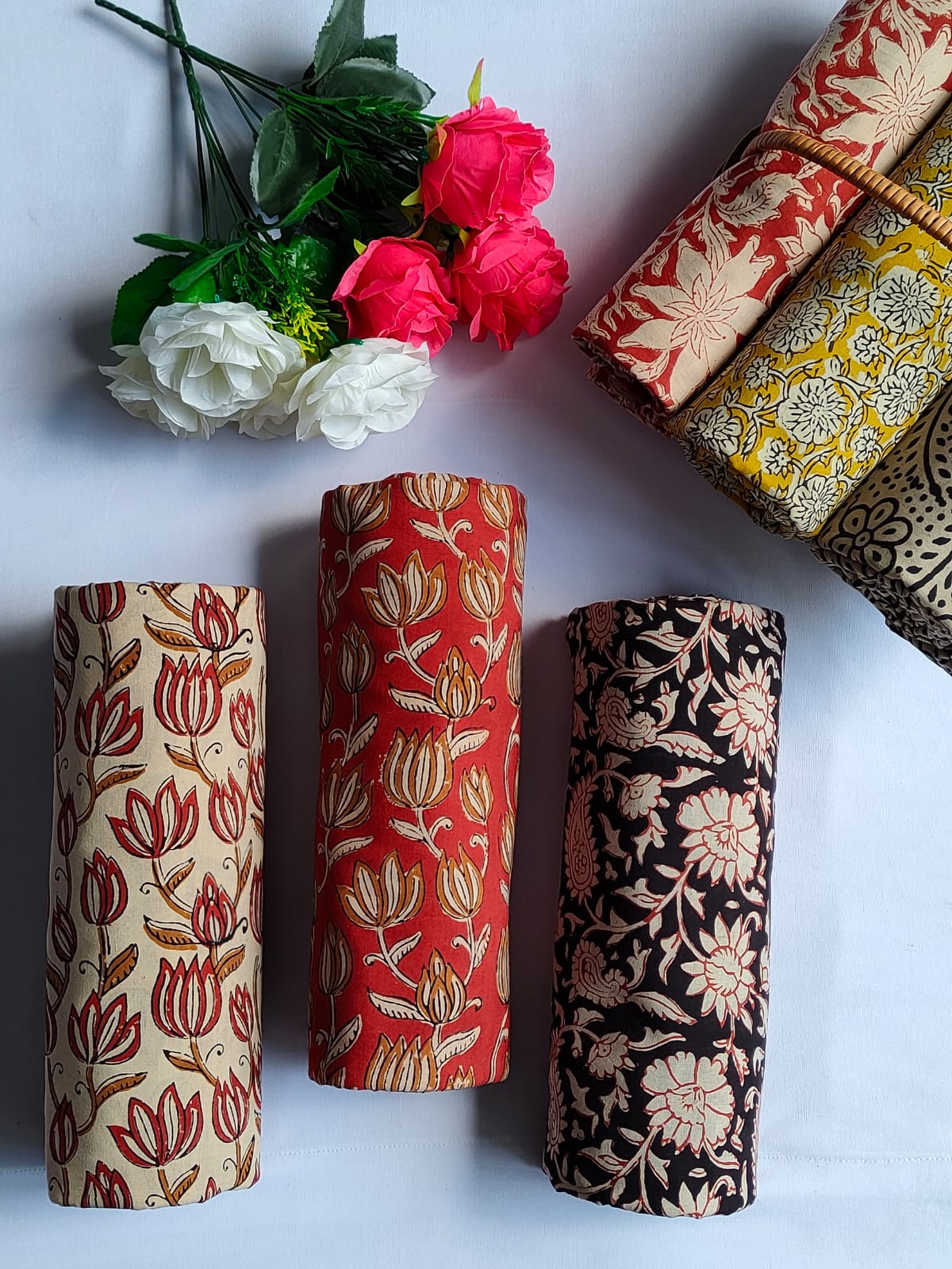


Cotton fabrics come in many forms, from closely woven materials used for everyday clothing to lightweight, open structures designed for layering, decoration, and creative projects. Cotton netting and mesh fabrics are useful options when a project calls for an airy appearance, an open texture, or a fabric that allows air to pass through its structure.
Finding the right cotton netting or mesh fabric online, however, takes a little research. Not every fabric described as mesh is made from cotton, and not every lightweight fabric has the open construction associated with netting. Some products are made from polyester, nylon, or blended fibres, while others use cotton yarns in woven or knitted structures.
Whether you are making garments, accessories, decorative items, or craft projects, understanding these differences can help you choose a fabric that suits your needs.
Jaipur Bazar offers a range of cotton fabrics, including printed cotton, plain cotton, cotton cambric, mulmul, and traditional Indian print styles. If your project requires a cotton alternative with a different texture or appearance, these collections may be worth exploring. For actual cotton netting or mesh, check the fibre composition, construction, specifications, and availability of the individual product before ordering.
In this guide, we will explain what cotton netting and mesh fabrics are, how to identify quality, what to check before buying online, and which alternative cotton fabrics may work for your project.
1. What Are Cotton Netting and Mesh Fabrics?
Cotton netting and mesh fabrics are materials with an open structure that creates small spaces between yarns or knitted loops. These openings distinguish them from conventional closely woven cotton fabrics.
The terms netting and mesh are sometimes used interchangeably, but they can describe different constructions.
Cotton netting is generally associated with an open, net-like structure. Depending on the construction, it may be used for decorative details, overlays, accessories, or specialised craft applications.
Cotton mesh is a broader term that may refer to woven or knitted fabrics with regularly spaced openings. The size of those openings, the yarn thickness, and the fabric's construction affect its appearance, flexibility, and intended use.
The fibre content matters just as much as the structure. A fabric can look like cotton mesh but contain polyester, nylon, or a blend. If you specifically need natural cotton fibres, confirm that the product description identifies the material as cotton and provides its composition.
How are cotton netting and ordinary cotton fabric different?
Ordinary cotton fabric usually has a more closely constructed surface. Plain cotton, cambric, and many printed cotton fabrics have yarns arranged to create a relatively continuous surface suitable for clothing, quilting, and everyday sewing.
Netting and mesh have more visible openings. This makes them useful for designs that need transparency, texture, layering, or a distinctive open-work appearance.
If you want a lightweight cotton fabric but do not need visible holes, fine cotton or mulmul may be more appropriate than mesh. You can explore mulmul cotton fabrics to compare lightweight cotton options.
2. Where Can You Buy High-Quality Cotton Netting and Mesh Fabrics Online?
The best place to buy cotton netting or mesh depends on the required fibre, construction, quantity, and intended use. Before choosing a seller, look for clear product descriptions, close-up images, reliable measurements, and transparent policies.
Specialist fabric stores
Specialist fabric retailers are a useful starting point when you need a particular construction, such as cotton netting, open-weave cotton, or a mesh fabric for sewing.
Look for product listings that specify:
-
Fibre composition, including the percentage of cotton.
-
Fabric construction, such as woven, knitted, or netted.
-
Width and available length.
-
Fabric weight, where available.
-
Opening size or mesh pattern, if relevant.
-
Colour, finish, and care instructions.
-
Whether the material is suitable for your intended application.
These details help distinguish a genuine cotton mesh product from a synthetic fabric with a similar appearance.
Online fabric marketplaces
Online marketplaces can provide a broad selection of fabrics from different sellers. They may be useful for comparing colours, sizes, prices, and product specifications.
However, listing titles alone are not enough to confirm quality. A seller might use the word "cotton" in a title even when the fabric contains a blend. Read the full composition details and contact the seller if the description is unclear.
Also check whether the listed price applies to a metre, a yard, a piece, or a complete roll. Shipping charges, minimum quantities, and return conditions can affect the final cost.
Textile manufacturers and specialist suppliers
If you need mesh or netting for repeated production, a specialist manufacturer or textile supplier may be able to provide more detailed information about construction and consistency.
Ask whether the supplier can confirm the fibre composition, fabric width, weight, colour consistency, and availability of repeat orders. If you are buying for a clothing label or craft business, request a sample before committing to a larger quantity.
Not every supplier carries cotton netting specifically, so confirm availability rather than assuming that a general cotton fabric supplier stocks it.
Exploring cotton alternatives at Jaipur Bazar
Jaipur Bazar focuses on cotton fabrics for clothing, sewing, and creative projects. While the availability of a specific cotton netting or mesh fabric should be confirmed on the relevant product listing, several cotton collections may suit projects that need a lightweight, textured, printed, or breathable fabric without an open mesh structure.
Explore these collections:
-
All Cotton Fabrics for a broad selection of cotton materials.
-
Plain Cotton Fabrics for solid-colour cotton suitable for many sewing projects.
-
Cotton Cambric Fabrics for a more closely constructed cotton fabric.
-
Mulmul Cotton Fabrics for lightweight cotton options.
-
Printed Cotton Fabrics for projects where print and pattern are important.
These fabrics are not direct substitutes for every kind of mesh. Choose them when their construction and appearance fit the project rather than when open holes are an essential requirement.
3. What Makes Cotton Netting or Mesh Fabric High Quality?
Quality depends on more than appearance. The right fabric should match the requirements of your project and have clearly described material and construction details.
Fibre composition
Start by checking the fibre content. If you want pure cotton, look for a clear statement that the fabric is 100% cotton.
Terms such as "cotton feel," "cotton touch," or "cotton-like" do not necessarily mean the fabric is made from cotton. Likewise, a cotton-polyester blend has different properties from a fabric made entirely from cotton.
If composition is important for comfort, product labelling, or a particular sewing application, ask the seller for confirmation before purchasing.
For more guidance, read Jaipur Bazar's article on how to identify high-quality cotton fabric.
Consistent openings and construction
For mesh and netting, inspect the pattern of the openings. Are they reasonably consistent across the fabric? Are there obvious irregular sections, loose loops, or damaged areas?
The ideal construction depends on the application. A decorative overlay may require a fine, uniform appearance, while another project may need larger openings or a more flexible structure.
Do not assume that smaller openings automatically mean better quality. The correct opening size depends on the design and the amount of coverage you need.
Yarn quality and fabric stability
Look for a fabric with a construction that appears appropriate for its intended use. If the yarns look excessively loose, the openings may distort during handling or sewing. On the other hand, a rigid construction may not suit a project that requires drape or flexibility.
Where possible, check whether the supplier provides information about yarn quality, fabric weight, and construction.
Colour and finishing
For coloured fabrics, examine the available images for uneven colouring, but remember that screens can display colours differently. Ask about colour matching if you need to coordinate several fabrics.
Finishing also affects the way a fabric feels and behaves. Some materials may be softened, stiffened, dyed, or otherwise treated. If you require a particular finish, confirm it with the seller.
Fabric strength for the intended use
A fine net may be suitable for decorative layering but unsuitable for an item that experiences frequent pulling or friction. A mesh intended for an accessory may not have the strength required for a load-bearing product.
Consider how the finished item will be used, washed, stored, and handled. For projects that need regular washing or repeated use, test a sample before buying a larger quantity.
4. Different Types of Netting and Mesh Fabrics
Not all mesh and net fabrics are made in the same way. Understanding the main categories will help you search for a product that matches your design.
Cotton net fabric
Cotton net fabric uses cotton yarns to create an open net-like construction. Depending on the particular product, it may be used for decorative applications, garment details, overlays, and craft work.
The density and strength of the net vary between products. Confirm the fabric's composition and structure rather than relying on the product name alone.
Knitted mesh
Knitted mesh is formed from interconnected loops. Its flexibility and stretch depend on the yarn and knitting construction.
Many commercially available knitted meshes are made from synthetic fibres, so a product described simply as "mesh" should not be assumed to be cotton.
If stretch is important, check the fibre composition and whether the fabric stretches across the width, along the length, or in both directions.
Woven open-weave fabric
Open-weave fabric is created by arranging yarns with visible spaces between them. It can provide a textured appearance without having the same construction as conventional netting.
Some cotton open-weave fabrics may be suitable for decorative or creative projects, but suitability depends on the size of the openings, stability, and intended use.
Decorative net and tulle
Tulle is a fine net-like material commonly used for decorative layers, veils, costumes, and embellishments. Many tulle fabrics are synthetic rather than cotton.
If you need a natural fibre, confirm whether the product is cotton or a blend. Do not rely on the transparent appearance alone to identify its material.
Synthetic mesh and blended fabrics
Polyester and nylon mesh are widely used for applications that require particular levels of stretch, durability, shape retention, or moisture handling.
These fabrics may look similar to cotton mesh, but their properties are not identical. A blend may combine characteristics of multiple fibres, so check the composition against your project requirements.
5. How to Choose the Right Fabric for Your Project
The right choice starts with the purpose of the finished item. A fabric that works for a decorative overlay may not be appropriate for a garment lining, bag, or frequently washed accessory.
For clothing and garment details
For clothing, consider transparency, comfort, drape, and the amount of structure required. Open mesh may be used as an overlay or design detail, but the finished garment may need a separate lining.
If you need a lightweight cotton for a garment rather than a mesh structure, consider mulmul cotton. If your design needs a more stable surface, compare it with cotton cambric.
You can also read about the different types of woven cotton fabrics used in clothing to understand how fabric construction affects garment choices.
For craft projects
Craft projects can require a wide range of textures, from open netting to closely woven cotton. Think about whether the material needs to hold its shape, fold easily, accept stitching, or support embellishments.
For decorative projects where print is more important than open construction, printed cotton fabrics offer another direction to explore.
For bags and accessories
The material used for a bag, pouch, or accessory needs to suit the weight and handling expected of the finished item. Fine mesh may work for decorative panels or lightweight organisers, while other designs need a more stable fabric or a separate lining.
Check the fabric's strength and construction before using it for anything that must support weight. A lightweight decorative mesh should not automatically be treated as a durable structural material.
For home décor
Mesh and netting can be used in some decorative applications, including overlays and design accents. The appropriate fabric depends on the amount of coverage, drape, and durability required.
If your project calls for printed cotton rather than an open structure, explore Jaipur Bazar's article on the popular uses of cotton fabric in home décor.
Plain cotton may also work for cushion covers, table accessories, and other decorative projects where a continuous fabric surface is preferred.
6. Cotton Netting vs. Lightweight Cotton Fabrics
One common buying mistake is treating every thin cotton fabric as netting. Lightweight cotton can be soft, airy, and suitable for warm-weather garments without having a mesh structure.
The table below explains the main differences.
| Fabric type | Construction | Potential uses |
|---|---|---|
| Cotton netting | Open net-like structure | Decorative overlays, selected craft projects |
| Cotton mesh | Open woven or knitted structure | Depends on fibre, stretch, and opening size |
| Mulmul cotton | Lightweight woven cotton | Soft garments, scarves, lightweight sewing |
| Cotton cambric | More closely woven cotton | Shirts, dresses, linings where suitable, everyday sewing |
| Plain cotton | Closely woven cotton in a solid colour | Garments, quilting, crafts, accessories |
| Printed cotton | Printed cotton fabric with a continuous surface | Clothing, accessories, craft and home projects |
These are general descriptions. The properties of a particular product depend on its actual construction, weight, finishing, and fibre composition.
If you are unsure which cotton fabric suits your project, read the guide to different types of cotton fabrics available.
7. What Should You Check Before Ordering Cotton Mesh Online?
Buying fabric online means you cannot feel the material or inspect it in person before paying. A few checks can reduce the chance of ordering a fabric that does not suit your project.
Read the complete product description
Check the fibre content, construction, width, length, colour, and any available weight measurements. If the product page only says "cotton mesh" without explaining its composition, ask the seller for clarification.
Examine close-up product images
Look for images that show the surface and openings clearly. A photograph taken from a distance may make a fabric appear denser or more transparent than it really is.
If you need a particular mesh pattern, request a close-up photograph or sample.
Confirm the unit of sale
Fabric may be sold by the metre, yard, cut length, piece, or roll. Confirm the quantity included in the price and check the minimum order requirement.
For example, a price for a small sample piece should not be compared directly with a price per metre.
Check colour representation
Product photographs can look different depending on lighting, display settings, and image editing. If an exact colour match is essential, ask whether a sample is available.
Understand shipping and returns
Review delivery timelines, shipping costs, return eligibility, and the procedure for reporting damaged or incorrectly described fabric.
If you are ordering from another country, confirm international delivery availability and check whether customs duties, import taxes, or other charges may apply.
Order a sample when possible
A sample can help you assess softness, transparency, drape, stretch, and construction. You can also test a small piece for sewing performance and care requirements.
This is especially useful when purchasing for a business, producing several garments, or working on a project where the fabric must match an existing material.
8. Common Mistakes to Avoid When Buying Mesh Fabrics
A few common mistakes can lead to unnecessary expenses or delays.
Assuming every mesh fabric is cotton. Many mesh products use polyester or nylon. Always check the fibre composition.
Choosing based only on price. A lower price may reflect a different fibre, width, weight, or quantity. Compare equivalent specifications before deciding.
Ignoring the size of the openings. Mesh with large openings may provide less coverage than expected, while a finer structure may not deliver the look you want.
Forgetting the lining. Some garments and accessories made with open mesh require a separate lining or backing material. Include that material in your budget.
Ordering too much before testing. A sample is often a sensible first step, especially for a new supplier or an unfamiliar construction.
Confusing lightweight cotton with netting. Mulmul and fine cotton fabrics may feel airy, but they are not necessarily open mesh. Choose according to the required construction.
Overlooking care requirements. Washing, drying, and ironing can affect the shape or appearance of some fabrics. Follow the supplier's instructions and test care methods on a sample where appropriate.
For additional guidance on choosing cotton by quality and intended use, see how to identify high-quality woven cotton fabric.
9. Cotton Fabric Alternatives Available to Explore at Jaipur Bazar
If you are looking for cotton materials for sewing, clothing, or creative work and do not specifically require an open mesh structure, Jaipur Bazar's collections offer several alternatives.
Plain cotton fabrics
Plain cotton is a practical option when you need a solid-colour fabric for garments, accessories, quilting, or craft projects. Its closely woven surface makes it different from mesh, but it may be better suited to designs that require coverage.
Browse the Plain Cotton Fabrics collection.
Mulmul cotton fabrics
Mulmul is a lightweight cotton fabric often chosen for its soft feel and drape. It may suit projects where a lightweight fabric is important but a net-like construction is unnecessary.
Explore the Mulmul Cotton Fabrics collection.
Cotton cambric fabrics
Cotton cambric is generally more closely constructed than netting and is used for many clothing and sewing applications. It can be a useful choice when you need a relatively smooth fabric surface.
Browse the Cotton Cambric Fabrics collection.
Printed cotton fabrics
Printed cotton is useful when a project's main requirement is colour, pattern, or a decorative surface. It can work for garments, accessories, quilting, and many creative projects.
View the Printed Cotton Fabrics collection.
Traditional Indian print fabrics
If you want a distinctive printed surface for clothing or craft work, traditional Indian prints offer another option.
-
Hand Block Print Cotton Fabrics feature designs created using traditional block-printing techniques.
-
Bagru Print Cotton Fabrics offer a traditional print style associated with Bagru.
-
Dabu Cotton Fabrics feature the distinctive appearance of Dabu printing.
These collections are printed cotton options, not netting or mesh. They are worth considering when your design calls for a patterned cotton surface instead of an open structure.
10. Tips for Sewing and Caring for Cotton Mesh
The correct sewing method depends on whether the fabric is woven, knitted, or netted. Fine or open constructions can behave differently from ordinary woven cotton during cutting and stitching.
Choose an appropriate needle and stitch
For fine material, start with a suitable needle and test your stitch on a scrap piece. A needle that is too large may leave visible holes, while an unsuitable stitch may pull or distort the fabric.
Use a stitch length and thread appropriate to the fabric's construction. If the openings are large, avoid placing the stitching where it unnecessarily weakens the structure.
Handle the fabric carefully
Some open fabrics can stretch, snag, or distort while being cut. Use a flat cutting surface and avoid pulling the material out of shape.
If the fabric is slippery or delicate, test whether temporary stabilisation or a suitable backing will make sewing easier.
Test washing and drying
Do not assume that every cotton mesh or netting fabric can be washed in the same way. Follow the care label or supplier's instructions.
Test a small sample first if you are concerned about shrinkage, colour changes, or distortion. Some products may require gentler handling than a standard woven cotton fabric.
For general cotton care advice, read the best ways to care for and wash woven cotton fabrics.
11. Is Cotton Netting Better Than Synthetic Mesh?
Neither material is automatically better. The right choice depends on the needs of the finished product.
Cotton may appeal to buyers who prefer natural fibres and want a fabric with a cotton-based feel. However, its suitability for a particular mesh application depends on the yarn, construction, finishing, and intended use.
Synthetic mesh may be chosen for specific requirements involving stretch, shape retention, abrasion resistance, or moisture handling. These characteristics vary by fibre and product, so it is important to compare the actual specifications rather than making a decision based only on the material name.
Consider the following questions before choosing:
-
Does the project require 100% cotton, or is a blend acceptable?
-
Is stretch necessary?
-
Will the fabric be in direct contact with the skin?
-
Does the finished item need to be washed frequently?
-
How much transparency is acceptable?
-
Will the fabric experience friction, tension, or weight?
-
Are specific care or labelling requirements involved?
Answering these questions will help you choose the material that meets the project's needs.
12. Frequently Asked Questions
Where can I buy high-quality cotton netting and mesh fabrics online?
You can begin with specialist fabric retailers, online textile marketplaces, and manufacturers that list cotton netting or mesh as a specific product. Check the fibre composition, construction, width, weight, and care details before ordering. If you cannot confirm that a fabric is cotton, ask the seller for clarification.
Is cotton mesh always made from 100% cotton?
No. Mesh describes a fabric structure, not a specific fibre. Mesh fabrics may be made from cotton, polyester, nylon, or blends. Read the composition details carefully if you require pure cotton.
What is the difference between cotton netting and cotton mesh?
The terms can overlap. Netting generally describes an open, net-like construction, while mesh is a broader term for fabrics with regularly spaced openings. The exact distinction depends on the supplier and product, so inspect the construction rather than relying only on the name.
Can I use cotton mesh for clothing?
It may be suitable for selected garment details, overlays, or designs that use an open structure. Depending on the transparency and construction, a lining may be necessary. Confirm that the fabric's strength, comfort, and care requirements match the garment.
Is mulmul cotton the same as cotton netting?
No. Mulmul is a lightweight woven cotton fabric, while netting has an open net-like structure. Mulmul may be useful when you need a lightweight cotton fabric without visible mesh openings.
What should I check before buying cotton mesh online?
Check fibre composition, fabric construction, width, weight, opening size, colour, quantity, shipping charges, return policies, and care instructions. Close-up images and fabric samples can also help you judge whether the material is suitable.
Can I buy cotton alternatives from Jaipur Bazar?
Jaipur Bazar offers cotton fabric collections including plain cotton, mulmul, cambric, printed cotton, and traditional Indian prints. These may suit projects that require lightweight or decorative cotton, but they are not automatically substitutes for open netting. Check individual product listings for current specifications and availability.
Should I order a sample before buying a large quantity?
Yes, when samples are available, they can help you check the material's feel, transparency, construction, colour, and sewing performance. Sampling is particularly useful for repeat production or projects with precise fabric requirements.
Is cotton mesh suitable for bags and home décor?
It depends on the fabric's construction and the intended use. Some mesh materials may work for decorative panels or lightweight accessories, while projects that carry weight or require frequent handling may need a stronger fabric or lining. Confirm the material's suitability before use.
How should cotton mesh be washed?
Follow the supplier's care instructions because washing requirements vary by fibre, construction, and finish. Testing a small piece first can help you check for shrinkage, colour changes, or distortion.
Final Thoughts
Buying high-quality cotton netting and mesh fabrics online starts with understanding what the product is made from and how it is constructed. Check whether the material is genuinely cotton, examine the openings and yarn structure, compare specifications, and request a sample when possible.
The most important point is to choose the fabric for the job rather than relying on a product title or photograph. Cotton netting, knitted mesh, synthetic mesh, mulmul, cambric, and printed cotton all have different constructions and uses.
If your project needs lightweight or decorative cotton but does not require an open mesh structure, explore Jaipur Bazar's cotton fabric collections to compare plain, printed, cambric, and mulmul options. Review each product's specifications and availability before ordering so you can choose a fabric that works for your design.