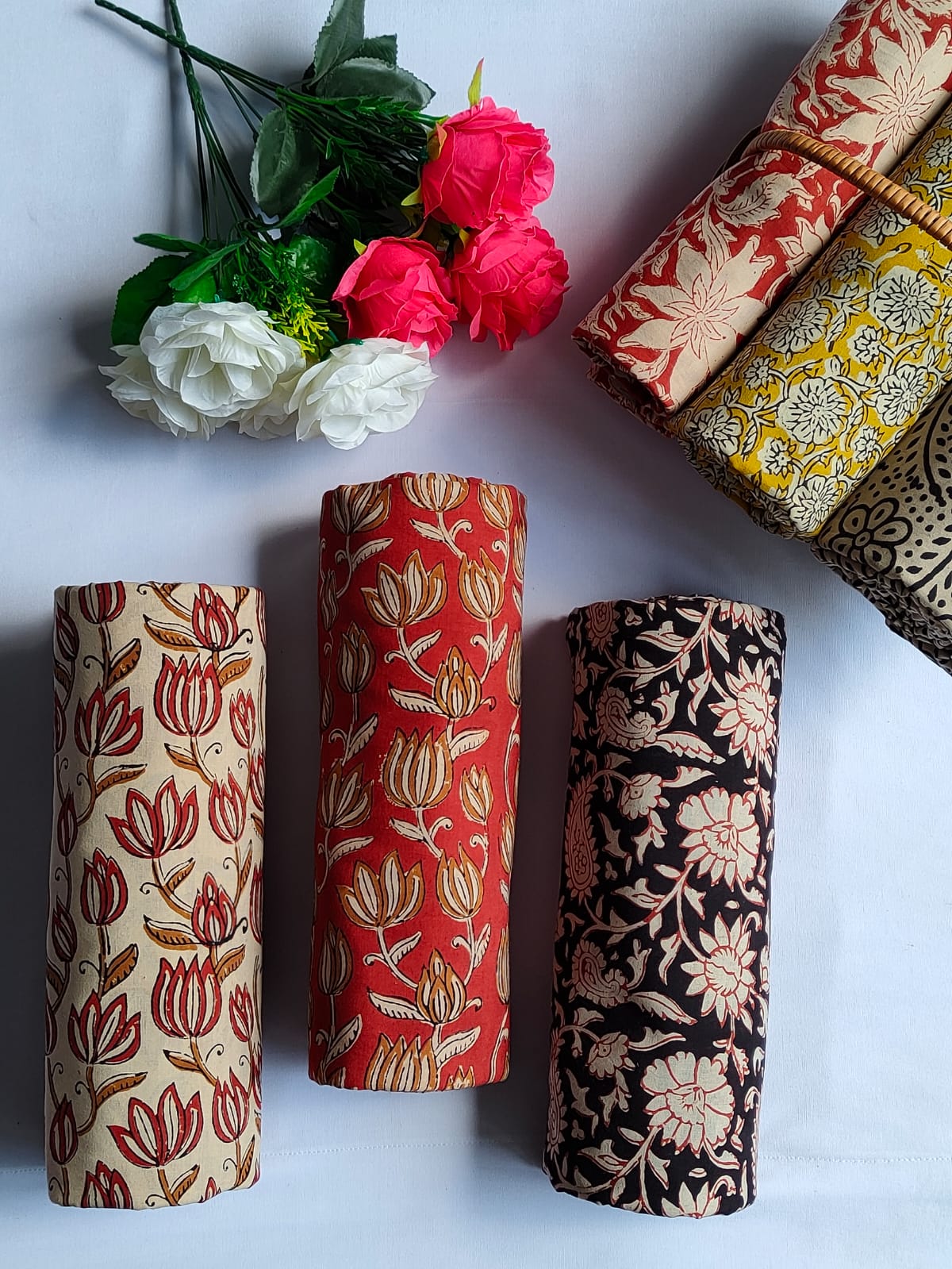


Cotton molleton fabric is a popular choice for brands, garment manufacturers, sewing enthusiasts, and textile buyers looking for a fabric that combines warmth, softness, durability, and comfort. Its brushed surface creates a cozy feel while maintaining the breathability that natural cotton fabrics are known for. Cotton molleton is commonly used in sweatshirts, hoodies, baby clothing, winter apparel, bedding products, and comfortable loungewear.
As online fabric sourcing continues to grow, buyers have access to suppliers across India and around the world. However, choosing the right cotton molleton fabric requires understanding how the fabric is made, what quality indicators to look for, and where to source it from trusted suppliers.
In this guide, we'll explore everything you need to know about cotton molleton fabric, its uses, benefits, quality standards, and how to source premium-quality cotton molleton fabric online.
What Is Cotton Molleton Fabric?
Cotton molleton is a heavy cotton fabric with a brushed or raised surface that creates a soft, warm, and slightly fluffy texture. Traditional textile references describe molleton as a fabric with a nap on one or both sides, originally made from wool but now commonly produced using cotton. Modern molton fabrics are often brushed to improve softness, warmth, and absorbency. :contentReference[oaicite:0]{index=0}
Unlike standard woven cotton fabrics, molleton undergoes a brushing process that lifts fibers from the fabric surface. This creates tiny air pockets that improve insulation while maintaining comfort and breathability. The result is a fabric that feels warmer and softer than regular cotton fabrics of similar weight. :contentReference[oaicite:1]{index=1}
Before exploring molleton specifically, it's useful to understand the main types of cotton used in fabric production and the benefits of 100% cotton fabric.
How Is Cotton Molleton Fabric Made?
Cotton Fiber Selection
The process begins with cotton fibers that are spun into yarn and woven or knitted into fabric. Higher-quality cotton fibers generally produce softer and more durable molleton fabrics.
Longer staple cotton fibers often create smoother fabrics with reduced pilling and improved durability. Premium cotton fabrics typically start with better raw materials before finishing processes are applied.
Brushing and Raising Process
The defining characteristic of molleton fabric comes from the brushing process. Mechanical brushes gently raise fibers from the fabric surface, creating a soft nap that enhances comfort and insulation. The brushing process lifts fiber ends without significantly altering the fabric structure underneath.
The degree of brushing affects softness, warmth, and overall fabric performance. Heavier brushing generally creates a warmer and softer fabric.
Finishing and Quality Control
After brushing, manufacturers often apply finishing treatments designed to improve softness, reduce shrinkage, stabilize dimensions, and enhance overall performance. Quality control ensures consistent fabric weight, appearance, and texture across production batches.
Why Cotton Molleton Fabric Is Popular
Exceptional Softness
One of the main reasons buyers choose cotton molleton is its soft hand feel. The brushed surface creates a cozy texture that feels comfortable against the skin.
Excellent Insulation
The raised fibers trap air between the fabric and the body, helping retain warmth while avoiding excessive bulk. This makes molleton ideal for cool-weather garments.
Breathability and Comfort
Unlike many synthetic alternatives, cotton molleton maintains the natural breathability of cotton while adding warmth through its brushed finish. The fabric remains comfortable for extended wear.
Durability for Everyday Use
High-quality cotton molleton fabrics can withstand regular washing and daily use while maintaining their softness and appearance.
If you're comparing natural fibers to synthetics, you may also find our guide on cotton fabric vs synthetic fabrics helpful.
Common Uses of Cotton Molleton Fabric
Sweatshirts and Hoodies
Cotton molleton is widely used for hoodies and sweatshirts because it combines warmth with breathability. The soft brushed interior provides comfort while the outer surface maintains a clean appearance.
Baby Clothing
Its gentle texture makes cotton molleton suitable for baby garments, children's clothing, and products designed for sensitive skin.
Loungewear and Sleepwear
Many premium loungewear and sleepwear collections use molleton fabrics because of their comfort and warmth.
Winter Apparel
Lightweight winter garments often use cotton molleton as an alternative to heavier fleece fabrics.
Home Textiles
Molleton fabrics are also used in mattress protectors, bedding products, blankets, and other home textile applications where softness and absorbency are important. :contentReference[oaicite:4]{index=4}
How to Identify High-Quality Cotton Molleton Fabric
Fabric Weight and GSM
Fabric weight plays a major role in warmth and durability. Cotton molleton fabrics are commonly available in a range of GSM levels depending on the intended application.
Fiber Quality
Better cotton fibers generally produce fabrics with improved softness, reduced pilling, and longer lifespan.
Surface Texture
A quality molleton fabric should have a consistent brushed texture without excessive fiber shedding.
Shrinkage Resistance
Pre-shrunk fabrics typically perform better after washing and maintain their dimensions more effectively.
Color Fastness
Quality fabrics should retain their color after repeated washing and regular use.
For additional evaluation tips, read:
- How to Identify High-Quality Cotton Fabric
- How to Identify High-Quality Woven Cotton Fabric
- Different Types of Cotton Fabrics Available
What Is the Difference Between Cotton Molleton and Fleece?
Although both fabrics provide warmth and softness, fleece is usually made from synthetic fibers such as polyester. Cotton molleton, by contrast, is primarily cotton-based and offers the natural breathability and comfort associated with cotton fabrics.
Many buyers prefer cotton molleton because it feels more natural against the skin and offers better moisture management than synthetic fleece alternatives.
Cotton Molleton vs French Terry Fabric
French terry and cotton molleton are commonly used in casual apparel, but they differ significantly in construction.
French terry features visible loops on the inside surface, while molleton fabrics undergo brushing to create a soft fleece-like interior. Because of this brushed finish, molleton generally feels warmer and softer than French terry.
Benefits of Buying Cotton Molleton Fabric Online
- Access to a wider range of suppliers
- Competitive wholesale pricing
- Easy comparison of specifications
- Availability of sample ordering
- Convenient sourcing for businesses
- Access to specialty textile collections
- Bulk purchasing opportunities
Where Can You Buy Cotton Molleton Fabric Online?
Specialized Fabric Stores
Dedicated fabric retailers often provide detailed specifications, GSM information, and customer support that can help buyers choose the right fabric.
Wholesale Fabric Suppliers
Wholesale suppliers are ideal for garment manufacturers, fashion brands, and boutiques that require larger quantities.
Textile Marketplaces
Online marketplaces allow buyers to compare multiple suppliers and fabric options in one place.
Artisan Fabric Platforms
Certain fabric platforms specialize in handcrafted and unique textile offerings that may not be available through mass-market suppliers.
If you're evaluating online fabric sources, these guides may also help:
- Where to Buy High-Quality Plain Cotton Fabric Online
- Where to Buy Affordable Woven Cotton Fabrics Online
- How to Choose the Best Plain Cotton Fabric for Sewing
Why Jaipur Is Becoming a Preferred Fabric Sourcing Hub
Jaipur has earned a strong reputation as one of India's leading textile destinations. The city is known for its combination of traditional textile craftsmanship and modern manufacturing capabilities.
Fashion brands, designers, and manufacturers source fabrics from Jaipur because of its wide variety of cotton textiles and artisan printing traditions.
Popular Jaipur textile techniques include:
- Hand Block Printing
- Bagru Printing
- Dabu Printing
- Indigo Dyeing
- Sanganeri Printing
You can learn more about various cotton fabric categories through:
- Types of Cotton Fabric and Their Uses
- Different Types of Woven Cotton Fabrics Used in Clothing
- Common Uses of Cotton Fabric in Clothing
Questions to Ask Before Ordering Cotton Molleton Fabric
- What is the fabric composition?
- What is the GSM?
- Has the fabric been pre-shrunk?
- Can samples be ordered?
- What are the care instructions?
- Is the fabric suitable for my intended application?
- Are custom colors available?
- What are the minimum order quantities?
Explore Premium Cotton Fabrics at Jaipur Bazar
At Jaipur Bazar, we offer a wide selection of cotton fabrics suitable for clothing, home textiles, fashion collections, and creative projects.
- Pure Cotton Fabrics
- Premium Fabrics
- Printed Cotton Fabrics
- Plain Cotton Fabrics
- Cotton Cambric Fabrics
- Mulmul Cotton Fabrics
- Hand Block Print Cotton Fabrics
- Bagru Print Cotton Fabrics
- Dabu Cotton Fabrics
- Indigo Print Cotton Fabrics
Final Thoughts
Cotton molleton fabric offers an excellent combination of softness, warmth, breathability, and durability. Whether you're producing sweatshirts, hoodies, baby garments, winter apparel, or home textiles, choosing high-quality molleton fabric can significantly improve the final product.
By understanding fabric construction, evaluating quality indicators, and sourcing from trusted suppliers, buyers can confidently purchase cotton molleton fabric online and achieve better results for both personal and commercial projects.