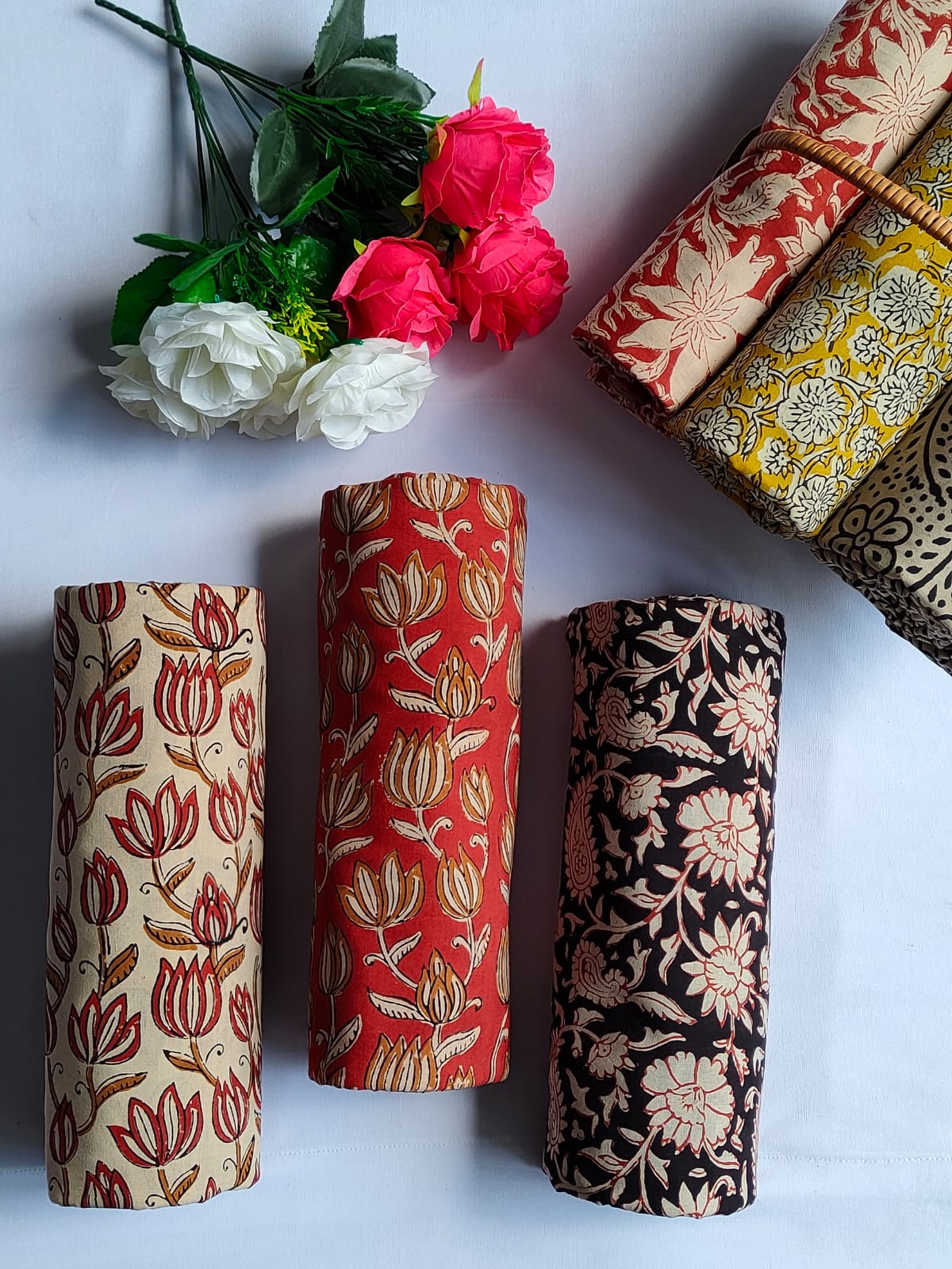


Finding the right fabric can make a big difference to a sewing or craft project. Whether you enjoy making handmade bags, cushion covers, quilts, clothing, fabric decorations, or personalised gifts, the material you choose affects the finished product's appearance, texture, and usefulness. Cotton is a popular choice for many of these projects because it is available in different weights, weaves, colours, and prints.
Shopping for craft fabrics online gives you access to a wide selection without visiting several fabric shops. You can compare plain cotton, printed cotton, lightweight fabrics, traditional Indian prints, and other materials from home. The challenge is knowing which online store to trust and how to judge fabric quality when you cannot touch the material before buying it.
If you are wondering where to find high-quality crafty fabrics and cotton online, start with a retailer that clearly describes its fabrics, provides useful product photographs, and explains the material's composition and dimensions. Consider the needs of your project before deciding which fabric to buy.
For shoppers looking for cotton fabric, Jaipur Bazar offers a selection of plain, printed, cambric, mulmul, and traditional Indian print fabrics. You can begin with the Jaipur Bazar cotton fabric collection and explore different styles for sewing, handmade accessories, clothing, and decorative projects.
1. Where Can You Buy High-Quality Craft Fabrics Online?
The best online fabric store depends on what you want to make. Someone sewing lightweight summer clothing may need a different material from someone creating a structured tote bag, a patchwork quilt, or decorative cushion covers.
Before choosing a retailer, consider the type of fabric, quantity, budget, print or colour requirements, and intended use.
Online cotton fabric stores
Cotton fabric retailers are a useful starting point for craft makers who want materials for sewing, DIY projects, and handmade products. Depending on the store, you may find plain cotton, printed cotton, lightweight fabrics, traditional prints, and fabrics suited to clothing or home accessories.
Look for product descriptions that include:
-
Fibre composition
-
Fabric width and price unit
-
Weight or other useful construction details, where available
-
Print, colour, and design information
-
Care instructions
-
Current availability and delivery information
Jaipur Bazar is worth exploring if your project calls for cotton fabric, particularly plain cotton, printed cotton, cambric, mulmul, or Indian block-printed designs.
Browse the complete cotton fabric collection to discover the available categories.
Specialist craft and sewing supply stores
Specialist craft stores may offer fabric alongside sewing thread, needles, embroidery supplies, zippers, buttons, cutting tools, and other accessories. These stores can be convenient if you need several types of supplies for one project.
However, check whether the store specialises in fabric or primarily sells tools and decorative materials. If fabric quality is your main concern, make sure the product listings provide enough information to compare different options.
Online marketplaces
Online marketplaces can provide access to a wide range of independent sellers and fabric styles. They may be useful for finding unusual prints, handmade materials, remnants, or decorative textiles.
Before ordering, examine the seller's ratings, return policy, product photographs, and customer reviews. Confirm the amount of fabric included in the listing and whether the price is quoted per metre, per yard, or for a fixed piece.
A photograph alone cannot establish the fabric's quality. Read the full description and contact the seller if important information is missing.
Direct fabric retailers for small businesses
If you make products for sale, buying from a fabric retailer with a relevant and clearly organised collection can make sourcing easier. You may need the same type of fabric for multiple products, so availability, consistent specifications, and the ability to reorder can be important.
For a small craft business, test a fabric with a sample or small order before committing to a larger quantity. This allows you to check how the fabric cuts, stitches, washes, and performs in your finished product.
2. Why Is Cotton a Popular Choice for Craft Projects?
Cotton is used in a wide range of textile projects because it is available in many constructions and finishes. It can be made into lightweight fabrics for soft accessories or more structured fabrics for items that need a firmer shape.
Its suitability depends on the fabric's weave, weight, fibre quality, finishing, and intended application. Not every cotton fabric will behave in the same way.
Suitable for a wide range of projects
Cotton fabric can be used for:
-
Tote bags and fabric pouches
-
Cushion covers and table accessories
-
Clothing and simple garments
-
Patchwork and selected quilting projects
-
Fabric decorations and handmade gifts
-
Reusable fabric organisers
-
Children's clothing and accessories, when the material is appropriate
-
Fabric painting and other decorative techniques
The right construction matters. Lightweight cotton may work well for a gathered accessory, while a bag intended to carry heavier items may need a stronger fabric, lining, interfacing, or additional reinforcement.
For more examples, read the common uses of cotton fabric in clothing.
Available in different prints and colours
Cotton fabrics are available in solid colours, floral designs, geometric patterns, traditional motifs, and many other styles. This variety makes it easier to coordinate fabric with a particular project.
Plain cotton can be useful for minimalist designs, linings, and projects that require a simple background. Printed cotton can add visual interest without requiring extra decoration.
If you want to compare different cotton fabric types, explore the guide to different types of cotton fabrics available.
Suitable for beginners and experienced makers
Cotton fabric is available in constructions that can suit different sewing experience levels. Some medium-weight plain cotton fabrics are convenient for practice projects, while delicate or loosely constructed fabrics may require more careful handling.
Beginners can start with a simple project such as a pouch or cushion cover. More experienced makers can experiment with pattern placement, patchwork, layered designs, embroidery, or garment construction.
Choose the fabric according to your skill level and the finish you want rather than assuming all cotton is equally easy to sew.
3. How to Choose the Right Cotton Fabric for Crafting
Selecting fabric online is easier when you know what to look for. A fabric that looks attractive in a product photograph may not be suitable for the size, structure, or intended use of your project.
Check the fibre composition
Start by reading the product description to determine whether the fabric is 100% cotton or a blend. Terms such as cotton feel or cotton-like do not necessarily mean the material is entirely cotton.
Cotton blends can be useful for certain applications, but their properties may differ from those of pure cotton. If fibre composition matters to your project, check the exact percentage.
You can learn more about cotton fibre types in the guide to the main types of cotton used in fabric production.
Consider fabric weight and thickness
Fabric weight affects drape, structure, coverage, and how the material behaves when stitched. A lightweight fabric may suit a scarf, gathered detail, or soft accessory. A heavier or more closely constructed fabric may be more appropriate for some bags, organisers, or home accessories.
Weight alone does not determine strength. Weave, yarn quality, finishing, and construction also influence how a fabric performs.
If your project needs a specific amount of structure, consider whether the fabric requires interfacing or lining.
Look at the weave and surface texture
The weave influences a fabric's appearance, feel, and handling. Plain-weave cotton fabrics are commonly used for many sewing and craft applications, while other constructions can create different textures and drapes.
Look at close-up photographs where available. Check whether the surface appears smooth, textured, or visibly open, and consider whether that construction fits your project.
For a more detailed explanation, read the different types of woven cotton fabrics used in clothing.
Check the fabric width and quantity
Always confirm how much fabric the listing includes. Fabric may be sold by the metre, yard, or as a fixed-length cut, depending on the retailer.
Check the fabric width as well as the length. A wider fabric may allow you to cut larger pieces or arrange pattern pieces more efficiently, while a narrower fabric may require additional yardage.
Before ordering, estimate the quantity required for the project and allow for seams, hems, pattern matching, and cutting mistakes.
Choose a print that fits the project
Print scale can affect the appearance of the finished item. Large motifs may look attractive on cushion covers or tote bags, while smaller patterns can be easier to use on pouches, small accessories, and garments with narrow pattern pieces.
Directional prints require extra planning because the motifs may need to face the same way across different pieces. If the fabric has a repeating pattern, consider how much additional material you may need to align it.
4. Best Types of Cotton Fabric for Handmade Crafts
Different cotton fabrics suit different uses. The best option depends on whether your project requires softness, drape, structure, a decorative print, or a relatively smooth surface.
Plain cotton fabric
Plain cotton is a useful starting point for many sewing and craft projects. Depending on its weight and construction, it can be used for simple bags, fabric organisers, patchwork, sewing practice, linings, and selected clothing styles.
Its simple appearance makes it easy to coordinate with other materials and embellishments. It can also work as a base for certain fabric-painting or embroidery projects, provided the surface and construction suit the technique.
Browse the plain cotton fabric collection to explore available options.
Cotton cambric
Cotton cambric is generally a lightweight, closely constructed cotton fabric. It can be suitable for clothing, lightweight accessories, and crafts that benefit from a relatively smooth surface.
Whether cambric is appropriate for a bag, cushion cover, or organiser depends on its weight and construction. Some projects may require lining, interfacing, or reinforcement.
Explore cotton cambric fabrics at Jaipur Bazar.
Mulmul cotton
Mulmul is commonly associated with soft, lightweight cotton fabric. Its drape can make it suitable for selected garments, decorative layers, soft accessories, and projects where a lightweight feel is important.
Because some mulmul fabrics are delicate or relatively sheer, consider whether your project requires lining or multiple layers. Use an appropriate needle and test the stitching on a scrap before sewing the final item.
See the mulmul cotton fabric collection.
Printed cotton fabric
Printed cotton is a good option when the fabric itself is meant to provide much of the visual detail. It can be used for bags, cushion covers, table accessories, patchwork, clothing, fabric organisers, and handmade gifts.
Consider the colour palette, print scale, and pattern direction before ordering. A floral print might suit a decorative cushion, while a geometric print may work well for a modern pouch or tote bag.
Browse printed cotton fabrics for patterned fabric options.
Hand block-printed cotton
Hand block-printed cotton brings traditional patterns and distinctive visual character to textile projects. It can be used for selected garments, cushion covers, bags, table accessories, and decorative items.
Traditional printing may show small variations in print placement or appearance. These variations can be part of the character of the material, but you should check the product photographs and descriptions if precise pattern alignment is important.
Explore hand block print cotton fabrics for traditional designs.
Bagru print cotton
Bagru printing is associated with traditional textile printing from Rajasthan. Bagru-inspired patterns can suit handmade bags, cushion covers, garments, and decorative accessories.
When selecting this fabric, consider the print scale, base fabric, colours, and intended use. If the finished product will be washed frequently, check the care instructions before choosing the material.
Browse the Bagru print cotton collection.
Dabu cotton fabric
Dabu is a traditional resist-printing technique associated with distinctive patterns. Dabu cotton can be considered for craft projects where an earthy or traditional print complements the overall design.
As with other printed cotton fabrics, the fabric's weight, weave, and finish determine its suitability for a particular project. Check those details rather than choosing by print style alone.
Explore Dabu cotton fabrics.
5. How to Identify High-Quality Craft Fabrics Online
You cannot fully judge a fabric's hand feel through a screen, but you can still evaluate the available information carefully.
Read the complete product description
Look for fibre content, width, price unit, available quantity, construction details, and care instructions. If the listing does not explain an important specification, contact the seller before purchasing.
Avoid assuming that a fabric is durable, soft, or suitable for a specific project based only on a marketing description.
Examine the photographs
Look for images that show both the overall design and close-up surface details. A photograph of a finished garment may help you understand the fabric's drape, while a close-up can reveal the print and surface texture.
Check whether the photographs show the fabric itself or only a finished product. If the print scale is important, look for an image that makes the size of the motifs easier to judge.
Check customer reviews
Reviews may provide useful information about colour accuracy, fabric thickness, print appearance, packaging, and delivery. Look for detailed feedback from customers who used the material for a project similar to yours.
Remember that different buyers may prefer different fabric weights or textures. Use reviews alongside the product specifications rather than treating a single opinion as definitive.
Understand the return policy
Before placing an order, read the seller's return and exchange conditions. Cut fabric, custom cuts, and sale items may have different return rules from standard products.
Check the return window, refund procedure, and whether return shipping costs apply. Knowing these details can help you make a more informed decision.
Compare the total cost
Compare fabric prices using the same unit and consider the width, composition, quantity, and delivery charges. A low listed price may not represent better value if the fabric is narrower or the required quantity is larger.
For more detailed guidance, read how to identify high-quality cotton fabric.
6. Where to Find Cotton Fabric for Different DIY Projects
The right fabric depends on what you plan to make. Thinking about the final product before shopping can help you narrow your options.
Tote bags and fabric pouches
For tote bags and pouches, consider the weight and construction of the fabric. Some cotton fabrics work well for lightweight bags, while items expected to carry heavier contents may require a stronger material, lining, interfacing, or reinforcement.
Printed cotton can add personality to a simple design, while plain cotton can suit a minimalist style. Check the finished dimensions and allow enough material for handles, seams, and lining.
Cushion covers and home accessories
Cushion covers, table accessories, and fabric organisers offer opportunities to use plain or printed cotton. Larger prints can become a feature on cushion fronts, while smaller designs may suit coordinated sets or patchwork.
Consider how often the item will be used and washed. Select a fabric whose construction and care requirements fit its intended role.
For more ideas, read popular uses of cotton fabric in home decor.
Clothing and wearable accessories
Cotton fabric is available in a range of weights and drapes for clothing. Lightweight options may suit some summer garments, while other styles need a more structured material.
Consider the pattern instructions, the desired fit, opacity, and whether the fabric needs lining. If the garment includes gathers or pleats, check that the fabric's weight works with the design.
Explore the guide to the benefits of 100% cotton fabric for a broader understanding of cotton in clothing and everyday use.
Patchwork and quilting
Patchwork involves joining smaller pieces of fabric to form a larger design. Consistency in fabric weight and handling can help make the pieces easier to sew together.
Before cutting, check the usable dimensions of each piece and consider how the colours and prints will look next to one another. If the project requires repeated washing, test the fabrics for colour transfer and shrinkage where appropriate.
Not every cotton fabric is suitable for every quilting technique, so check the pattern and construction requirements.
Fabric painting and embroidery
Plain cotton can provide a useful surface for some painting and embroidery projects. The best choice depends on the technique, the type of paint or thread, and the intended finished item.
Test the materials together on a scrap. This helps you check whether the fabric supports the stitching or paint application and whether the result remains satisfactory after the recommended care process.
7. Tips for Buying Craft Fabrics Online on a Budget
You do not need to buy the most expensive fabric for every project. A sensible shopping plan helps you balance quality, quantity, and cost.
Make a project list
Before shopping, write down the fabric type, quantity, colour, and any additional supplies required. If you are following a sewing pattern, use its fabric recommendations and yardage estimates as a starting point.
This reduces the chance of buying materials that do not work together or ordering too little fabric.
Buy samples when available
If you are unsure about a fabric's texture, thickness, or colour, a sample can help you make a better decision. Samples are particularly useful before buying fabric for a large project or a series of products for sale.
Test how the material cuts, stitches, and behaves after washing if washing is relevant to the finished item.
Plan pattern placement
Printed fabric can require extra material when motifs need to match across seams or face a particular direction. Calculate the quantity based on the actual design, not only the basic dimensions of the finished product.
This is particularly important for large prints and projects with multiple visible panels.
Reuse leftover fabric
Smaller offcuts can be useful for patchwork, fabric flowers, appliqué, small pouches, decorative panels, or practice pieces. Keep leftover fabric organised by colour, print, and size so you can find suitable pieces later.
Compare price and usable quantity
Check the amount of fabric included, its width, and the price unit. Consider whether the fabric is suitable for the intended product and whether extra lining or interfacing will be required.
For more information about sourcing cotton economically, see where to buy affordable woven cotton fabrics online.
8. What Should Small Craft Businesses Consider When Buying Cotton Online?
If you sell handmade products, sourcing fabric requires additional planning. You need materials that suit your designs, production costs, customer expectations, and potential repeat orders.
Test the fabric before production
Make a sample product before buying a large quantity. Check the finished appearance, stitching, shape, and performance for the intended use.
For example, a fabric suitable for a decorative pouch may not be strong enough for a bag designed to carry heavier items. Testing helps you identify the need for lining or reinforcement before production begins.
Calculate the cost per product
Include fabric, thread, lining, zippers, buttons, interfacing, packaging, and material wastage when calculating the cost of each item.
Record the amount used for your first sample. This can help you estimate the quantity required for future production and price your products more accurately.
Consider repeat availability
If your products depend on a particular print or colour, ask the retailer whether the design is likely to remain available. Fabric collections can change, and a specific print may not always be restocked.
For products made in batches, consider keeping enough material for the planned production run when practical.
Choose prints that work at the finished size
A print can look different on a large piece of fabric than it does on a small pouch or accessory. Check the scale of the motifs and consider how they will appear after cutting and stitching.
Traditional prints such as Bagru, Dabu, and hand block designs can help create a distinctive product range. Choose the design according to your customers and the products you plan to make.
9. How to Care for Cotton Craft Fabrics
Correct care helps you maintain your materials and finished products. However, care instructions vary according to fibre content, fabric construction, dyes, and finishing.
Follow the care label
Read the manufacturer's care instructions before washing or ironing a fabric. Do not assume every cotton fabric can be washed in hot water or dried at high temperatures.
If the fabric will be used for a garment or accessory that requires frequent washing, consider this before buying.
Test for colour transfer
Strong colours and printed fabrics may need extra attention during the first wash. If colour transfer is a concern, test a small scrap or follow the supplier's care recommendations.
This is especially useful when combining contrasting fabrics in patchwork, quilts, or multi-colour accessories.
Store fabric in a suitable place
Keep unused fabric clean and dry, away from excessive moisture and prolonged direct sunlight. Fold or roll the material so it remains easy to identify and use.
Label leftover pieces with the fabric type and any care information you have retained. This makes it easier to select suitable materials for future projects.
For additional guidance, read the best ways to care for and wash woven cotton fabrics.
10. Why Explore Jaipur Bazar for Cotton Craft Fabrics?
When you need cotton fabric for sewing or craft projects, it helps to start with a retailer whose collection includes different fabric styles and categories. Jaipur Bazar offers a range of cotton fabric options, including plain cotton, cotton cambric, mulmul cotton, printed cotton, and traditional Indian print styles.
You can explore the complete cotton fabric collection if you are still deciding which type is right for your project.
If you need a simpler surface for sewing or decorative work, browse plain cotton fabrics. For patterned projects, explore printed cotton fabrics.
You can also compare cotton cambric, mulmul cotton, hand block-printed cotton, Bagru print cotton, and Dabu cotton fabric.
Before ordering, review the specifications, available quantity, price unit, and care instructions for the product you choose. If you are making a product for sale, test the fabric in a sample first and confirm that the material suits your intended design.
Frequently Asked Questions
1. Where can I find high-quality craft fabrics and cotton online?
Start with online cotton fabric retailers, specialist sewing stores, and craft marketplaces. Compare fibre composition, fabric width, product photographs, care instructions, customer reviews, and return policies. Jaipur Bazar offers cotton fabric collections that can be explored for sewing and fabric-based craft projects.
2. Which cotton fabric is best for crafts?
The best fabric depends on the project. Plain cotton can suit simple sewing and practice projects, printed cotton can add decorative detail, cambric may suit selected lightweight projects, and block-printed cotton can work well for patterned accessories and home items.
3. Is cotton fabric suitable for handmade bags?
Some cotton fabrics are suitable for handmade bags, but the required strength depends on the bag's intended use. Lightweight cotton may need lining, interfacing, or reinforcement, especially if the bag will carry heavier items.
4. Can I use printed cotton for cushion covers?
Yes. Printed cotton can be used for cushion covers when its weight, construction, and care requirements suit the project. Consider print scale and pattern direction when cutting the fabric.
5. How can I judge cotton fabric quality before ordering online?
Read the complete product description, check fibre composition and dimensions, examine photographs, and review customer feedback. If you are unsure about texture or thickness, order a sample where available.
6. What is the difference between plain cotton and printed cotton?
Plain cotton generally has a solid-colour surface, while printed cotton features a design applied to the fabric. Both can be suitable for sewing and crafts. The best choice depends on the finished product's appearance and construction requirements.
7. Is lightweight cotton suitable for DIY projects?
Lightweight cotton can be suitable for soft accessories, gathered details, selected garments, and decorative projects. For structured items or products that need to support weight, consider a more suitable construction or add reinforcement.
8. How much cotton fabric should I buy for a craft project?
Calculate the required quantity using your project's dimensions or sewing pattern. Allow additional material for seams, hems, pattern matching, and cutting mistakes. Check fabric width as well as length before placing your order.
9. Can traditional Indian printed cotton be used for modern crafts?
Yes. Traditional Indian prints, including hand block, Bagru, and Dabu styles, can be used for contemporary clothing, bags, cushion covers, accessories, and other handmade products. Choose a print scale and colour palette that suit the finished design.
10. How do I care for cotton fabric used in crafts?
Follow the fabric's care instructions and consider testing a small scrap before washing the finished item. Pay attention to shrinkage, colour transfer, ironing requirements, and storage conditions, particularly when combining different fabrics.
Final Thoughts
Finding high-quality craft fabrics and cotton online becomes easier when you know what your project requires. Compare fabric composition, weight, weave, width, print scale, and care instructions before placing an order. These details can help you choose materials that suit your design and avoid unnecessary waste.
Plain cotton, cambric, mulmul, printed cotton, and traditional Indian prints each offer different possibilities for sewing, clothing, home accessories, and handmade products. Choose according to the intended use rather than relying on appearance or price alone.
Explore Jaipur Bazar's cotton fabric collections to find materials for your next creative project. With careful selection and a little planning, you can source cotton fabric that fits your project, budget, and preferred style.