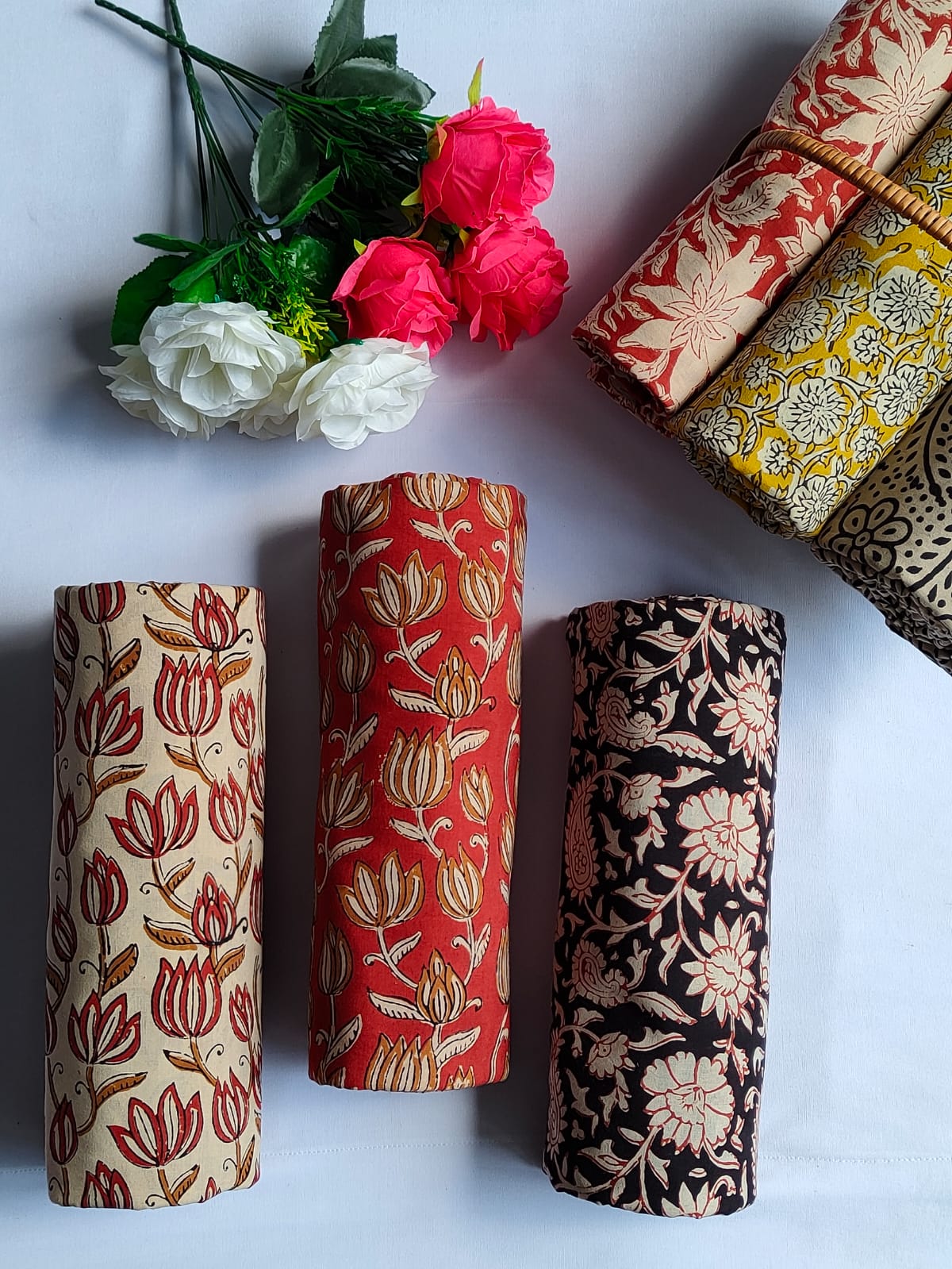


Choosing the right fabric is one of the most important decisions when designing, sewing, or purchasing clothing. While cotton poplin has remained a favorite among designers, garment manufacturers, and consumers for decades, many people still wonder how it differs from other popular fabrics such as regular cotton, cambric, mulmul, twill, satinised cotton, linen, and polyester blends.
The answer lies in the fabric's unique weave structure, texture, breathability, durability, and overall performance. Cotton poplin offers a combination of crispness, structure, comfort, and versatility that makes it suitable for a wide range of garments, from formal shirts to summer dresses and children's clothing.
In this comprehensive guide, we'll explore what cotton poplin is, how it compares with other fabrics, where it performs best, and how to choose the right fabric for your next clothing project.
Related Cotton Fabric Guides
What Is Cotton Poplin Fabric?
Cotton poplin is a plain-weave fabric made using fine warp yarns and slightly thicker weft yarns. This construction creates a smooth surface with a subtle ribbed texture and gives poplin its characteristic crisp feel and structured appearance. Unlike many other cotton fabrics, poplin balances breathability with durability, making it suitable for both casual and formal clothing. Poplin is widely used for shirts, dresses, blouses, uniforms, children's wear, and lightweight fashion garments. :contentReference[oaicite:0]{index=0}
The fabric is known for its clean finish, sharp print definition, and ability to hold its shape better than many softer cotton fabrics. :contentReference[oaicite:1]{index=1}
Why Is Cotton Poplin So Popular?
Cotton poplin has remained a staple in apparel manufacturing because it offers several desirable characteristics in a single fabric:
- Lightweight yet durable construction
- Smooth and comfortable surface
- Excellent breathability
- Sharp appearance
- Good print clarity
- Easy sewing and garment construction
- Versatility across different garment categories
Its balanced performance makes it suitable for both fashion brands and everyday consumers looking for comfort and durability. :contentReference[oaicite:2]{index=2}
Cotton Poplin vs Regular Cotton Fabric
One of the most common misconceptions is that cotton poplin and cotton fabric are the same thing. While cotton refers to the fiber itself, poplin refers to a specific weave structure.
| Feature | Cotton Poplin | Regular Cotton |
|---|---|---|
| Construction | Tight plain weave | Varies by fabric type |
| Texture | Smooth and crisp | Depends on weave |
| Structure | Holds shape well | Can be soft or structured |
| Print Clarity | Excellent | Varies |
| Wrinkle Resistance | Better | Moderate |
Regular cotton can include numerous fabric types such as mulmul, cambric, voile, twill, jersey, and canvas. Poplin is simply one specialized category within the larger cotton family. :contentReference[oaicite:3]{index=3}
Cotton Poplin vs Cotton Cambric
Both poplin and cambric are popular woven cotton fabrics, but they serve different purposes.
Cotton cambric tends to be softer and slightly finer, making it ideal for lightweight garments, linings, and breathable summer wear. Poplin, on the other hand, provides more structure and shape retention.
Cambric is often chosen for:
- Summer kurtis
- Tunics
- Lightweight dresses
- Comfortable daily wear
Poplin is commonly used for:
- Formal shirts
- Structured dresses
- School uniforms
- Office wear
Explore our Cotton Cambric Fabrics Collection for lightweight cotton options.
Cotton Poplin vs Mulmul Cotton
Mulmul is one of the softest and most breathable cotton fabrics available. Compared to poplin, mulmul is lighter, softer, and more fluid.
| Feature | Cotton Poplin | Mulmul Cotton |
|---|---|---|
| Weight | Light to medium | Very lightweight |
| Drape | Structured | Flowing |
| Opacity | Higher | Can be semi-sheer |
| Shape Retention | Excellent | Low |
Mulmul works best for airy summer garments, while poplin excels when structure and durability are required.
Browse our Mulmul Cotton Fabrics Collection.
Cotton Poplin vs Twill Fabric
Twill fabrics are easily recognized by their diagonal weave pattern. Unlike poplin's smooth plain weave, twill fabrics have a more textured appearance and tend to be heavier. Twill is commonly used in trousers, jackets, workwear, and durable garments, while poplin is preferred for shirts and lightweight apparel. :contentReference[oaicite:4]{index=4}
Twill generally offers:
- Higher durability
- Greater wrinkle resistance
- Heavier weight
- Softer drape over time
Poplin generally offers:
- Better breathability
- Crisper appearance
- Lighter weight
- Better suitability for summer clothing
Cotton Poplin vs Oxford Fabric
Oxford fabric uses a basket-weave construction that creates a more textured surface. While both fabrics are commonly used in shirts, they create different looks.
Oxford shirts typically appear more casual, while poplin shirts offer a cleaner and more formal appearance. Poplin is often chosen for office wear and formal occasions because of its smooth surface and sharp finish. :contentReference[oaicite:5]{index=5}
Cotton Poplin vs Satinised Cotton
Satinised cotton and cotton poplin are often used for premium garments, but they deliver different aesthetics.
| Feature | Poplin | Satinised Cotton |
|---|---|---|
| Surface | Matte to subtle sheen | Smooth sheen |
| Feel | Crisp | Silky |
| Structure | High | Moderate |
| Best For | Shirts & uniforms | Dresses & fashion wear |
If you're interested in premium cotton clothing, you may also enjoy reading What Are the Best Uses for Satinised Cotton in Clothing?
Cotton Poplin vs Linen
Linen is valued for its natural texture and exceptional airflow. However, linen wrinkles more easily than cotton poplin.
Compared with linen, cotton poplin provides:
- Smoother appearance
- Easier maintenance
- Better wrinkle control
- Cleaner print definition
Linen, meanwhile, offers:
- Superior airflow
- Natural texture
- Relaxed appearance
- Distinctive character
Cotton Poplin vs Polyester Fabrics
Polyester fabrics are popular because of their wrinkle resistance and durability, but they often lack the comfort and breathability of natural cotton.
Cotton poplin typically provides:
- Better moisture absorption
- Improved comfort
- Natural breathability
- Softer feel against the skin
Polyester fabrics generally offer:
- Lower maintenance
- Faster drying
- Greater wrinkle resistance
- Higher durability in some applications
Why Cotton Poplin Is Excellent for Printing
One of poplin's biggest advantages is its smooth surface. The tight weave allows printed designs to appear sharper and more detailed compared to many looser cotton fabrics. This makes poplin a popular choice for:
- Digital prints
- Screen prints
- Floral patterns
- Geometric designs
- Fashion collections
The smooth face helps colors appear more vibrant and patterns more precise. :contentReference[oaicite:6]{index=6}
Best Clothing Applications for Cotton Poplin
Cotton poplin performs exceptionally well in:
- Shirts
- Tops
- Tunics
- Casual Dresses
- Shirt Dresses
- Kurtis
- Kurta Sets
- Children's wear
- School uniforms
How to Choose Between Cotton Poplin and Other Fabrics
The best fabric depends on your intended application.
- Choose poplin for structure and crispness.
- Choose mulmul for softness and airflow.
- Choose cambric for lightweight comfort.
- Choose satinised cotton for a luxurious appearance.
- Choose twill for durability.
- Choose linen for maximum breathability.
Shop Related Fabric Collections
- Plain Cotton Fabrics
- Cotton Cambric Fabrics
- Mulmul Cotton Fabrics
- Printed Cotton Fabrics
- Best Cotton Fabrics
Related Articles
- How Can I Identify High-Quality Cotton Fabric?
- How Can I Identify High-Quality Soft Cotton Fabric?
- How Can I Tell If a Fabric Is Made of Pure Cotton?
- What Are the Main Types of Plain Cotton Fabrics Used in Clothing?
- What Are the Different Types of Woven Cotton Fabrics Used in Clothing?
Conclusion
Cotton poplin stands out because it combines the comfort of cotton with a smooth surface, crisp structure, impressive durability, and excellent print performance. While fabrics such as mulmul, cambric, linen, satinised cotton, twill, and polyester each have their own advantages, poplin remains one of the most versatile choices for clothing. Whether you're designing shirts, dresses, kurtis, tunics, children's wear, or everyday fashion, cotton poplin offers a reliable balance of comfort, style, and performance that continues to make it a favorite throughout the textile industry.