
-
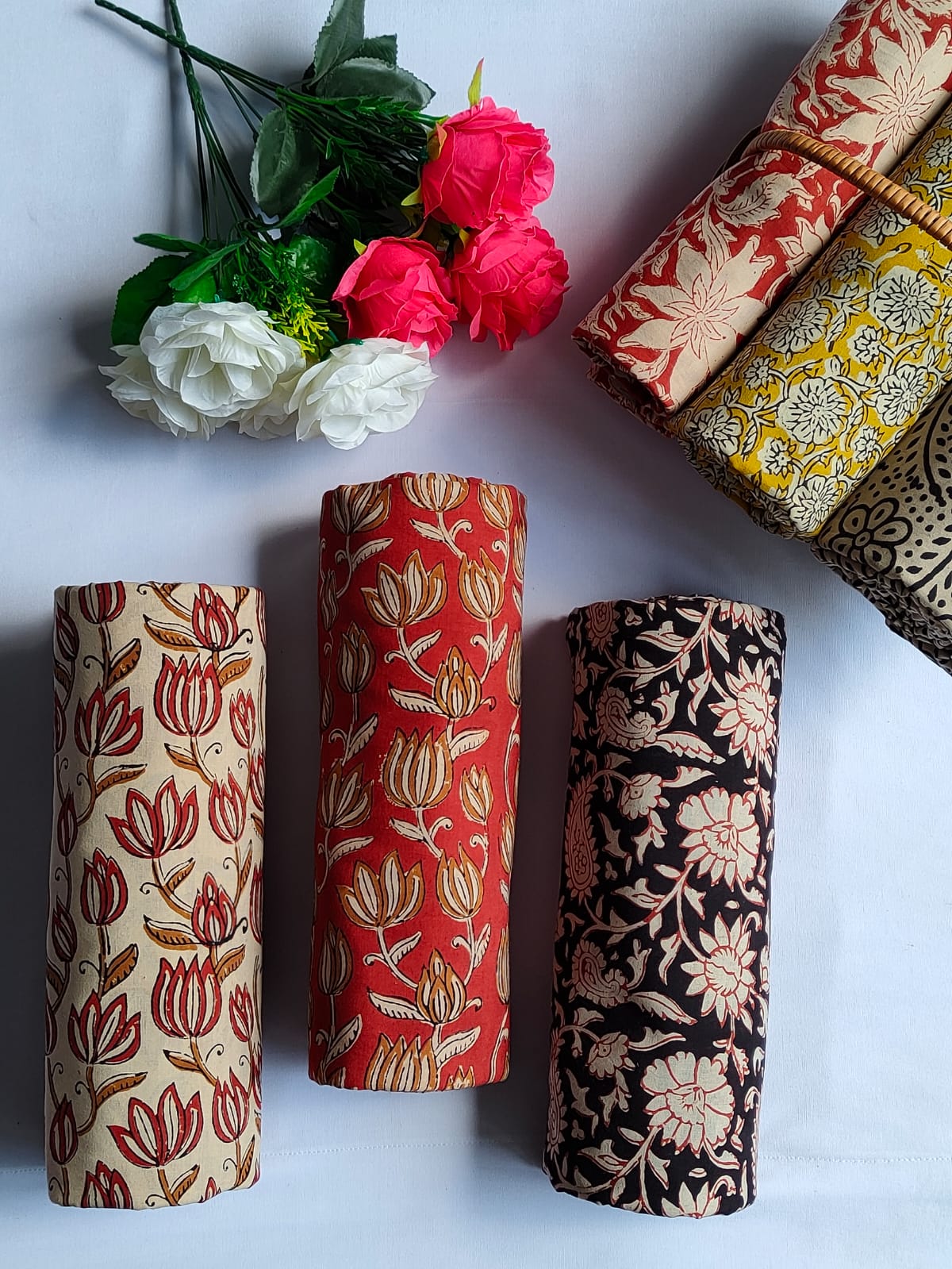
Sample of 5-9 Cotton Fabrics ( 20x20 cm each ) includes - Hand Block, Screen Print, Dabu Indigo, Bagru and Batik
Regular price Rs. 125.00Regular priceUnit price perRs. 200.00Sale price Rs. 125.0078 In StockSale -
White and Blue Paisley Batik-Style Screen Print Pure Cotton Fabric - JBRGFB10
Regular price Rs. 99.00Regular priceUnit price perRs. 280.00Sale price Rs. 99.00 Per MeterSold out -
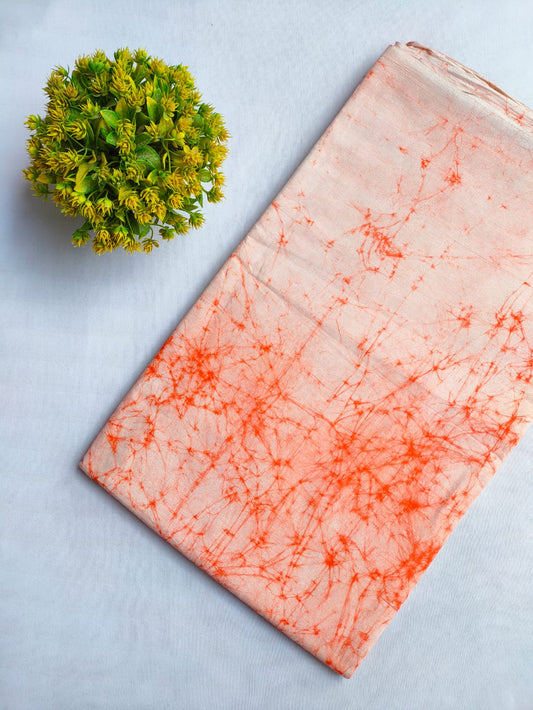
Peach and Orange Crackle Batik Print Pure Cotton Fabric - JBRBKA47
Regular price Rs. 250.00Regular priceUnit price perRs. 389.00Sale price Rs. 250.00 Per MeterSold out -
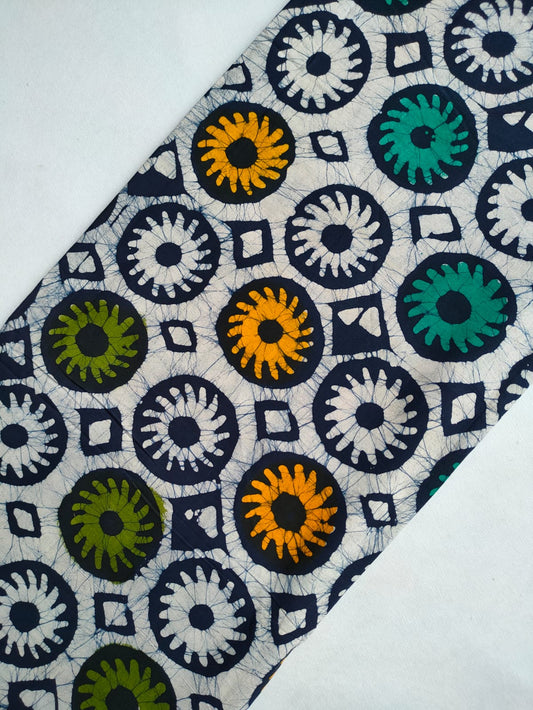
Navy Blue Geometric Batik Print Pure Cotton Fabric - JBRBK699
Regular price Rs. 250.00Regular priceUnit price perRs. 389.00Sale price Rs. 250.00 Per MeterSold out -
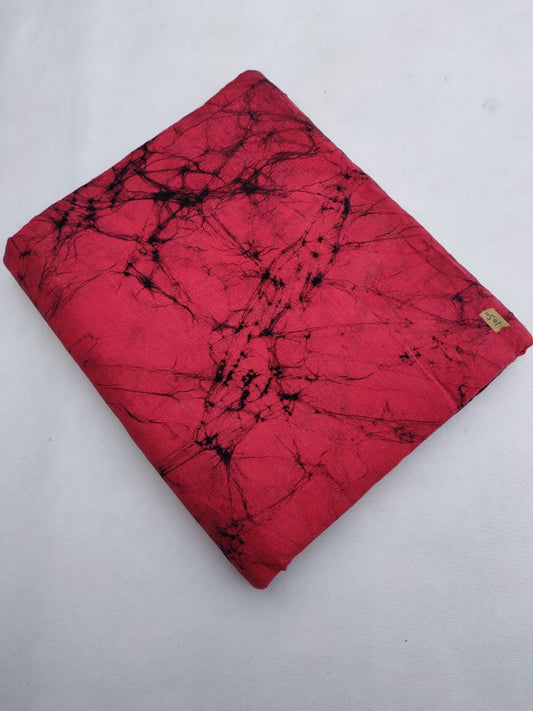
Red Abstract Batik Print Pure Cotton Fabric - JBRBK721
Regular price Rs. 250.00Regular priceUnit price perRs. 389.00Sale price Rs. 250.00 Per MeterSold out -
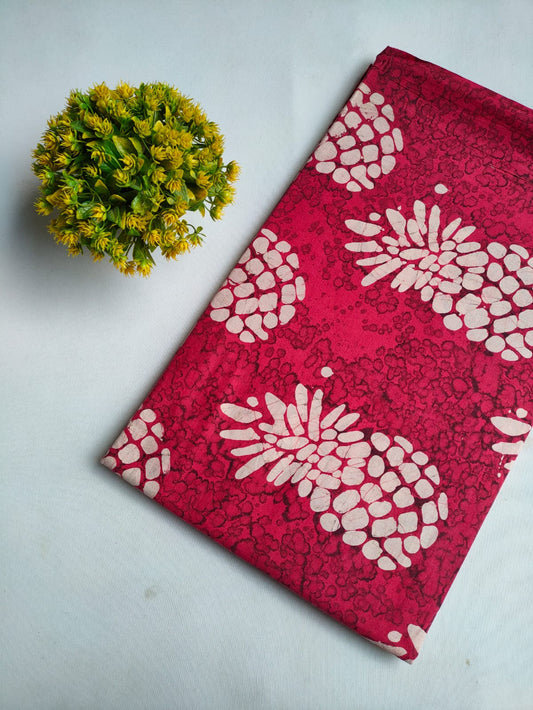
Pink Floral Batik Print Pure Cotton Fabric - JBRBK703
Regular price Rs. 250.00Regular priceUnit price perRs. 389.00Sale price Rs. 250.00 Per MeterSold out -
Mustard Yellow Abstract Crackle Batik Print Pure Cotton Fabric - JBRBK708
Regular price Rs. 145.00Regular priceUnit price perRs. 389.00Sale price Rs. 145.00 Per MeterSold out -
Off-White Floral Batik Print Pure Cotton Fabric - JBRBKA2
Regular price Rs. 250.00Regular priceUnit price perRs. 389.00Sale price Rs. 250.00 Per MeterSold out -
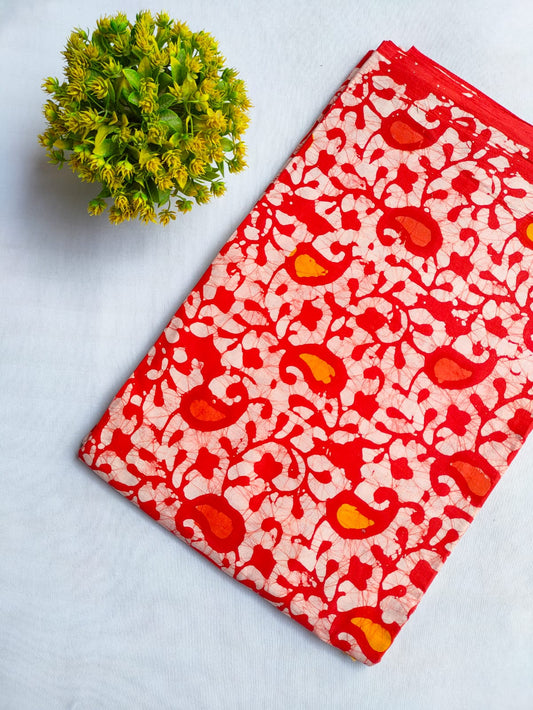
Red Paisley Batik Print Pure Cotton Fabric - JBRBKA55
Regular price Rs. 250.00Regular priceUnit price perRs. 389.00Sale price Rs. 250.00 Per MeterSold out -
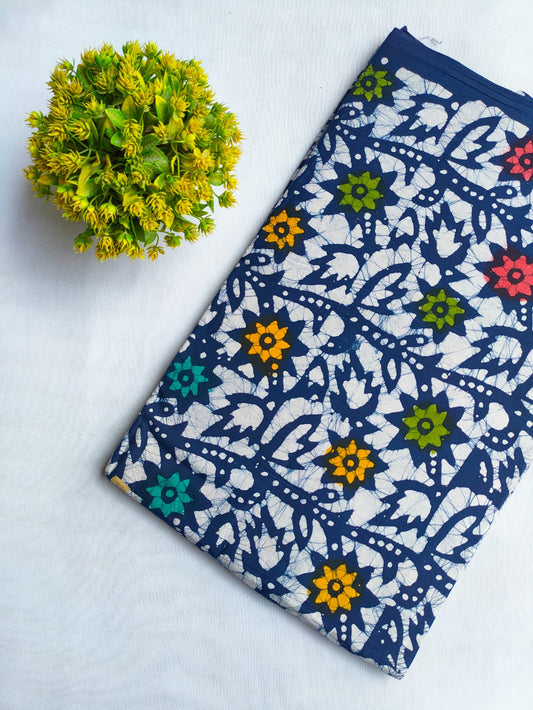
Navy Blue Floral Batik Print Pure Cotton Fabric - JBRBKA54
Regular price Rs. 250.00Regular priceUnit price perRs. 389.00Sale price Rs. 250.00 Per MeterSold out -
Light Pink Crackle Batik Print Pure Cotton Fabric - JBRBKA48
Regular price Rs. 250.00Regular priceUnit price perRs. 389.00Sale price Rs. 250.00 Per MeterSold out -
Off White Abstract Batik Print Pure Cotton Fabric - JBRKBT28
Regular price Rs. 225.00Regular priceUnit price perRs. 389.00Sale price Rs. 225.00 Per MeterSold out -
Multi Colored Floral Pattern Batik Hand Block Printed Pure Cotton Fabric - JBR99
Regular price Rs. 99.00Regular priceUnit price perRs. 280.00Sale price Rs. 99.00 Per MeterSold out -
Pink Paisley Batik Print Pure Cotton Fabric - JBRBK719
Regular price Rs. 250.00Regular priceUnit price perRs. 389.00Sale price Rs. 250.00 Per MeterSold out -
Navy Blue Floral Batik Print Pure Cotton Fabric - JBRBKA58
Regular price Rs. 250.00Regular priceUnit price perRs. 389.00Sale price Rs. 250.00 Per MeterSold out -
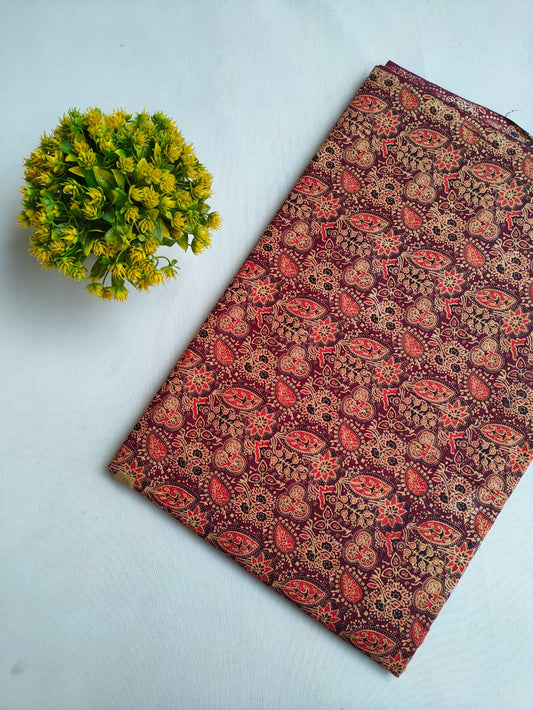
Maroon and Red Floral Batik Print Pure Cotton Fabric - JBRFBK117
Regular price Rs. 225.00Regular priceUnit price perRs. 389.00Sale price Rs. 225.00 Per MeterSold out -
Brown Floral Batik Print Pure Cotton Fabric - JBRFBK69
Regular price Rs. 225.00Regular priceUnit price perRs. 389.00Sale price Rs. 225.00 Per MeterSold out -
Off White Geometric Batik Print Pure Cotton Fabric - JBRBK707
Regular price Rs. 225.00Regular priceUnit price perRs. 389.00Sale price Rs. 225.00 Per MeterSold out -
Navy Blue Abstract Batik Print Pure Cotton Fabric - JBRBKD28
Regular price Rs. 250.00Regular priceUnit price perRs. 375.00Sale price Rs. 250.00 Per MeterSold out -
Black and Off-White Floral Batik Print Pure Cotton Fabric - JBRBK709
Regular price Rs. 225.00Regular priceUnit price perRs. 389.00Sale price Rs. 225.00 Per MeterSold out -
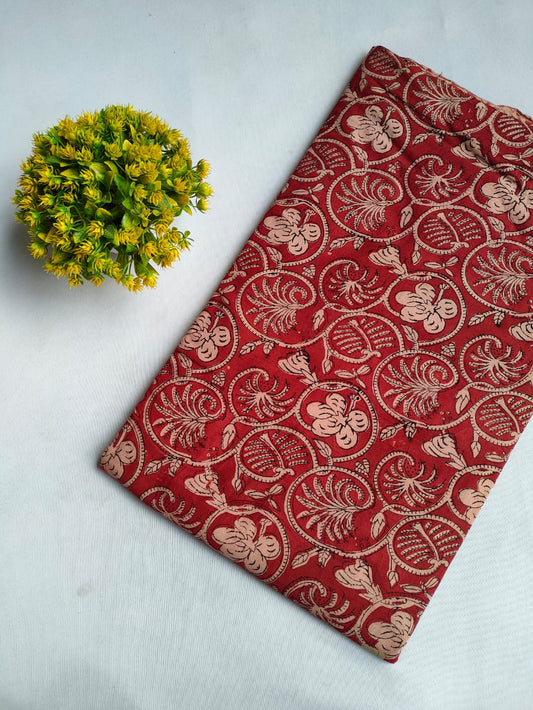
Red Floral Batik Print Pure Cotton Fabric - JBRFBK25
Regular price Rs. 225.00Regular priceUnit price perRs. 389.00Sale price Rs. 225.00 Per MeterSold out -
Off-White and Red Paisley Batik Print Pure Cotton Fabric - JBRBKD181
Regular price Rs. 250.00Regular priceUnit price perRs. 375.00Sale price Rs. 250.00 Per MeterSold out -
Navy Blue Paisley Batik Print Pure Cotton Fabric - JBRBKD30
Regular price Rs. 250.00Regular priceUnit price perRs. 375.00Sale price Rs. 250.00 Per MeterSold out -
Navy Blue and Red Floral Batik Print Pure Cotton Fabric - JBRBKD202
Regular price Rs. 250.00Regular priceUnit price perRs. 350.00Sale price Rs. 250.00 Per MeterSold out -
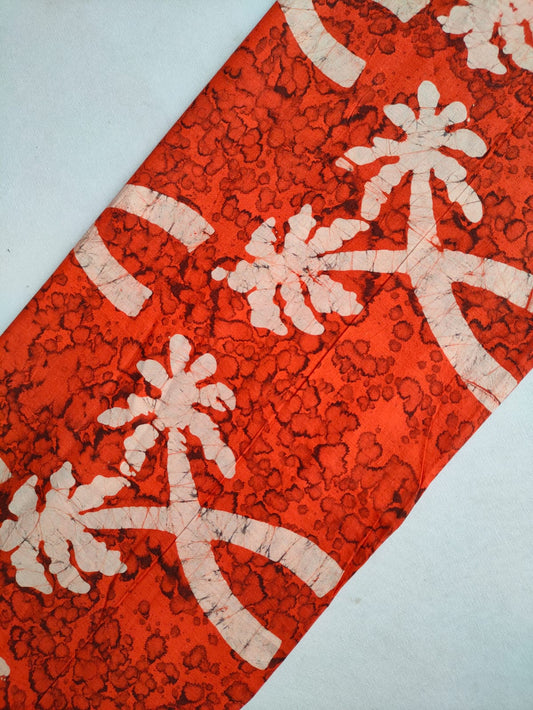
Rust Orange Botanical Batik Print Pure Cotton Fabric - JBRKBT17
Regular price Rs. 225.00Regular priceUnit price perRs. 389.00Sale price Rs. 225.00 Per MeterSold out -
Brown Floral Batik Print Pure Cotton Fabric - JBRBKD175
Regular price Rs. 250.00Regular priceUnit price perRs. 375.00Sale price Rs. 250.00 Per MeterSold out -
Red Floral Batik Print Pure Cotton Fabric - JBRFBK92
Regular price Rs. 225.00Regular priceUnit price perRs. 389.00Sale price Rs. 225.00 Per MeterSold out -
Navy Blue Floral Pattern wax Batik Hand Block Printed Pure Cotton Fabric - JBR88
Regular price Rs. 99.00Regular priceUnit price perRs. 280.00Sale price Rs. 99.00 Per MeterSold out -
Deep Purple Floral Batik Print Pure Cotton Fabric - JBRBKD197
Regular price Rs. 250.00Regular priceUnit price perRs. 375.00Sale price Rs. 250.00 Per MeterSold out -
Red Marble Batik Print Pure Cotton Fabric - JBRBKD32
Regular price Rs. 250.00Regular priceUnit price perRs. 375.00Sale price Rs. 250.00 Per MeterSold out -
Navy Blue and White Floral Batik Print Pure Cotton Fabric - JBRBKD3
Regular price Rs. 250.00Regular priceUnit price perRs. 375.00Sale price Rs. 250.00 Per MeterSold out -
Teal Green Floral Batik Print Pure Cotton Fabric - JBRBKB5
Regular price Rs. 250.00Regular priceUnit price perRs. 350.00Sale price Rs. 250.00 Per MeterSold out -
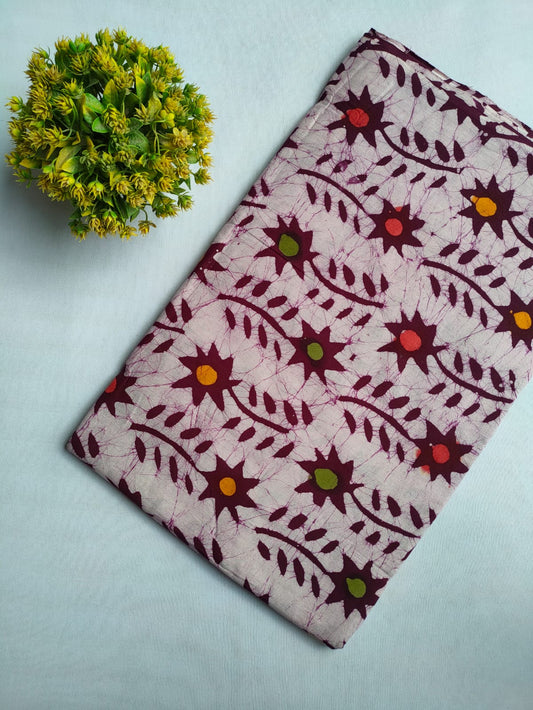
Purple Pink Floral Batik Print Pure Cotton Fabric - JBRBKA69
Regular price Rs. 250.00Regular priceUnit price perRs. 350.00Sale price Rs. 250.00 Per MeterSold out -
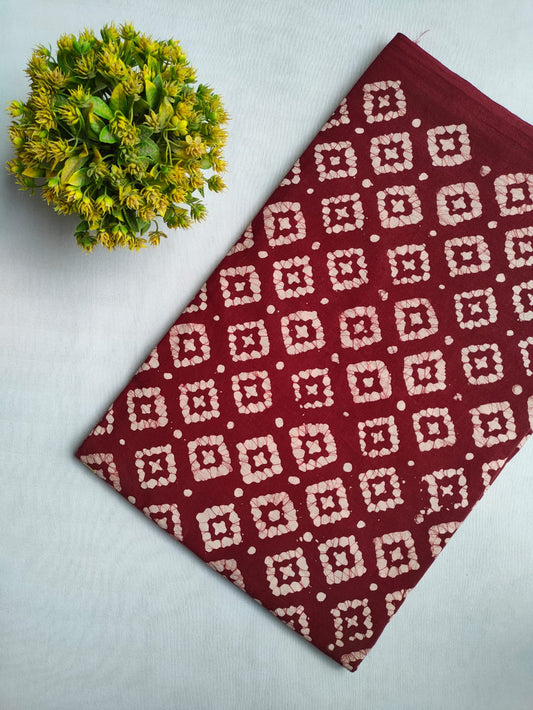
Maroon Geometric Batik Print Pure Cotton Fabric - JBRBKA1
Regular price Rs. 225.00Regular priceUnit price perRs. 389.00Sale price Rs. 225.00 Per MeterSold out -
Turquoise Blue Crackle Batik Print Pure Cotton Fabric - JBRBKD35
Regular price Rs. 250.00Regular priceUnit price perRs. 375.00Sale price Rs. 250.00 Per MeterSold out -
Off-White Multicolored Floral Batik Print Pure Cotton Fabric - JBRBKD5
Regular price Rs. 250.00Regular priceUnit price perRs. 375.00Sale price Rs. 250.00 Per MeterSold out -
Red and Orange Floral Batik Print Pure Cotton Fabric - JBRBK701
Regular price Rs. 225.00Regular priceUnit price perRs. 389.00Sale price Rs. 225.00 Per MeterSold out -
Mustard Yellow Geometric Batik Print Pure Cotton Fabric - JBRBKD67
Regular price Rs. 250.00Regular priceUnit price perRs. 280.00Sale price Rs. 250.00 Per MeterSold out -
Off-White and Maroon Marble Batik Print Pure Cotton Fabric - JBRBKD31
Regular price Rs. 250.00Regular priceUnit price perRs. 375.00Sale price Rs. 250.00 Per MeterSold out -
Navy Blue Abstract Batik Print Pure Cotton Fabric - JBTKB3
Regular price Rs. 225.00Regular priceUnit price perRs. 389.00Sale price Rs. 225.00 Per MeterSold out -
Red Off-White Floral Batik Print Pure Cotton Fabric - JBRBK723
Regular price Rs. 225.00Regular priceUnit price perRs. 389.00Sale price Rs. 225.00 Per MeterSold out -
Maroon Floral Batik Print Pure Cotton Fabric - JBRBKD192
Regular price Rs. 250.00Regular priceUnit price perRs. 375.00Sale price Rs. 250.00 Per MeterSold out -
Pink Marble Batik Print Pure Cotton Fabric - JBRBKD33
Regular price Rs. 250.00Regular priceUnit price perRs. 375.00Sale price Rs. 250.00 Per MeterSold out -
Off White and Blue Floral Motif Batik Print Pure Cotton Fabric Fabric - JBRBK664
Regular price Rs. 225.00Regular priceUnit price perRs. 389.00Sale price Rs. 225.00 Per MeterSold out -
Deep Purple Geometric Batik Print Pure Cotton Fabric - JBRBKD199
Regular price Rs. 250.00Regular priceUnit price perRs. 375.00Sale price Rs. 250.00 Per MeterSold out -
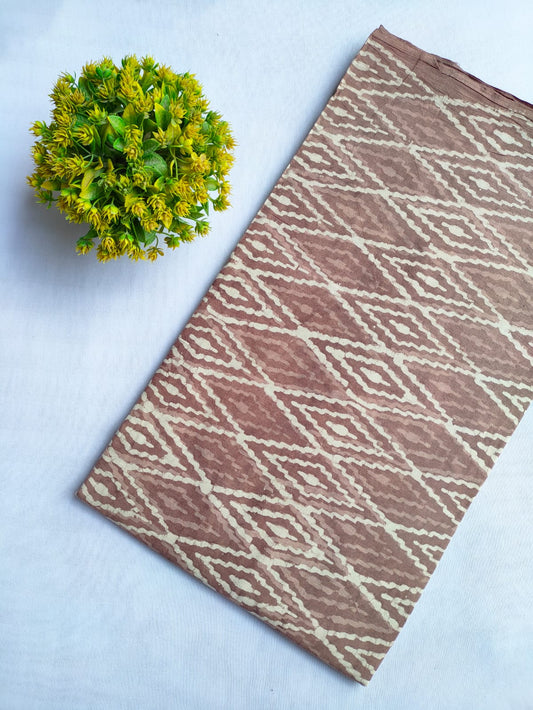
Brown Geometric Batik Print Pure Cotton Fabric - JBRBKA49
Regular price Rs. 225.00Regular priceUnit price perRs. 389.00Sale price Rs. 225.00 Per MeterSold out -
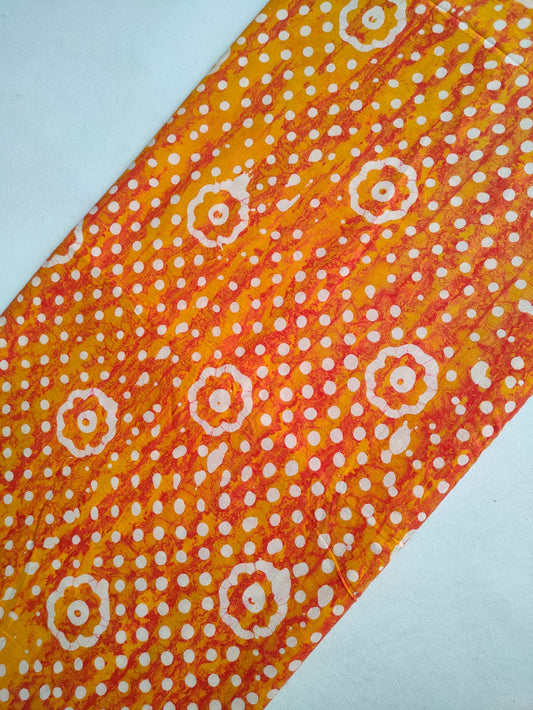
Mustard Yellow Polka Dot Batik Print Pure Cotton Fabric - JBRKBT30
Regular price Rs. 225.00Regular priceUnit price perRs. 389.00Sale price Rs. 225.00 Per MeterSold out -
Blue Floral Vine Batik Print Pure Cotton Fabric - JBRBK675
Regular price Rs. 225.00Regular priceUnit price perRs. 389.00Sale price Rs. 225.00 Per MeterSold out -
Off-White and Navy Blue Crackle Batik Print Pure Cotton Fabric - JBRBKD36
Regular price Rs. 250.00Regular priceUnit price perRs. 375.00Sale price Rs. 250.00 Per MeterSold out -
Maroon Geometric Batik Print Pure Cotton Fabric - JBRBKD8
Regular price Rs. 250.00Regular priceUnit price perRs. 375.00Sale price Rs. 250.00 Per MeterSold out



















/FAQS
Frequently Asked Questions
What is the minimum order quantity (MOQ) for Batik Print cotton fabric?
Our minimum order quantity starts from as low as 1 meter, allowing designers, boutiques, and brands to order sample yardage, test silhouettes, or purchase in bulk wholesale rolls.
Is Batik Print cotton fabric available in ready stock?
Yes, running designs and popular colorways are maintained in ready stock for immediate dispatch, subject to current roll availability.
Can I buy Batik Print cotton fabric for wholesale or manufacturing?
Yes. Jaipur Bazar directly supplies garment manufacturers, private-label brands, export houses, and boutiques with tiered wholesale volume pricing.
How is Batik Print cotton fabric made?
Batik cotton fabric is crafted using a traditional wax-resist dyeing technique. Molten wax is applied to the fabric using metal/wooden blocks or hand tools to block dye penetration before the base undergoes cold dye baths and boiling dewaxing.
Why are there fine veins, cracks, or variations in Batik fabric?
Fine hairline cracks and dye veins are the hallmark crackling effect of authentic wax resist. When the cooled wax naturally fractures during dyeing, dye seeps through the fissures, making every meter artistically unique.
Which cotton base fabric is used for your Batik prints?
Our Batik prints are produced on premium 100% cotton 60x60 cambric, providing a lightweight, breathable drape with a smooth hand feel ideal for all-season wear.
Are AZO-free dyes used for Batik Print cotton fabrics?
Yes, we prioritize AZO-free, skin-safe dyestuffs suitable for domestic and international apparel standards.
Will the fabric bleed, and how should Batik cotton be washed?
Because Batik involves rich cold-water dyes, minor excess surface dye may release on the first wash. We recommend gentle cold hand or machine wash with mild liquid detergent, washing dark shades separately.
What garments can be made from Batik Print cotton fabric?
It is widely used for kurtis, maxi dresses, resort wear, kaftans, shirts, co-ord sets, dupattas, skirts, and artisanal home accents.
Does Jaipur Bazar deliver Batik Print cotton fabrics to China?
Yes, we provide direct doorstep delivery across China via express air couriers (FedEx, DHL, Aramex) with end-to-end tracking for both sample yardage and wholesale bolts.
What is the typical shipping timeline for orders to China?
Express air courier consignments to China typically arrive within 5 to 8 business days following dispatch.
Do buyers in China need to pay customs duties or import taxes?
Any local customs duties, VAT, or import clearance fees levied by authorities in China are determined by local tariff laws and are payable by the consignee upon delivery.
Can fashion labels and boutiques in China order custom production runs?
Yes. Designers and apparel brands based in China can request custom color combinations, exclusive wax-resist designs, or bulk production runs with flexible MOQs.