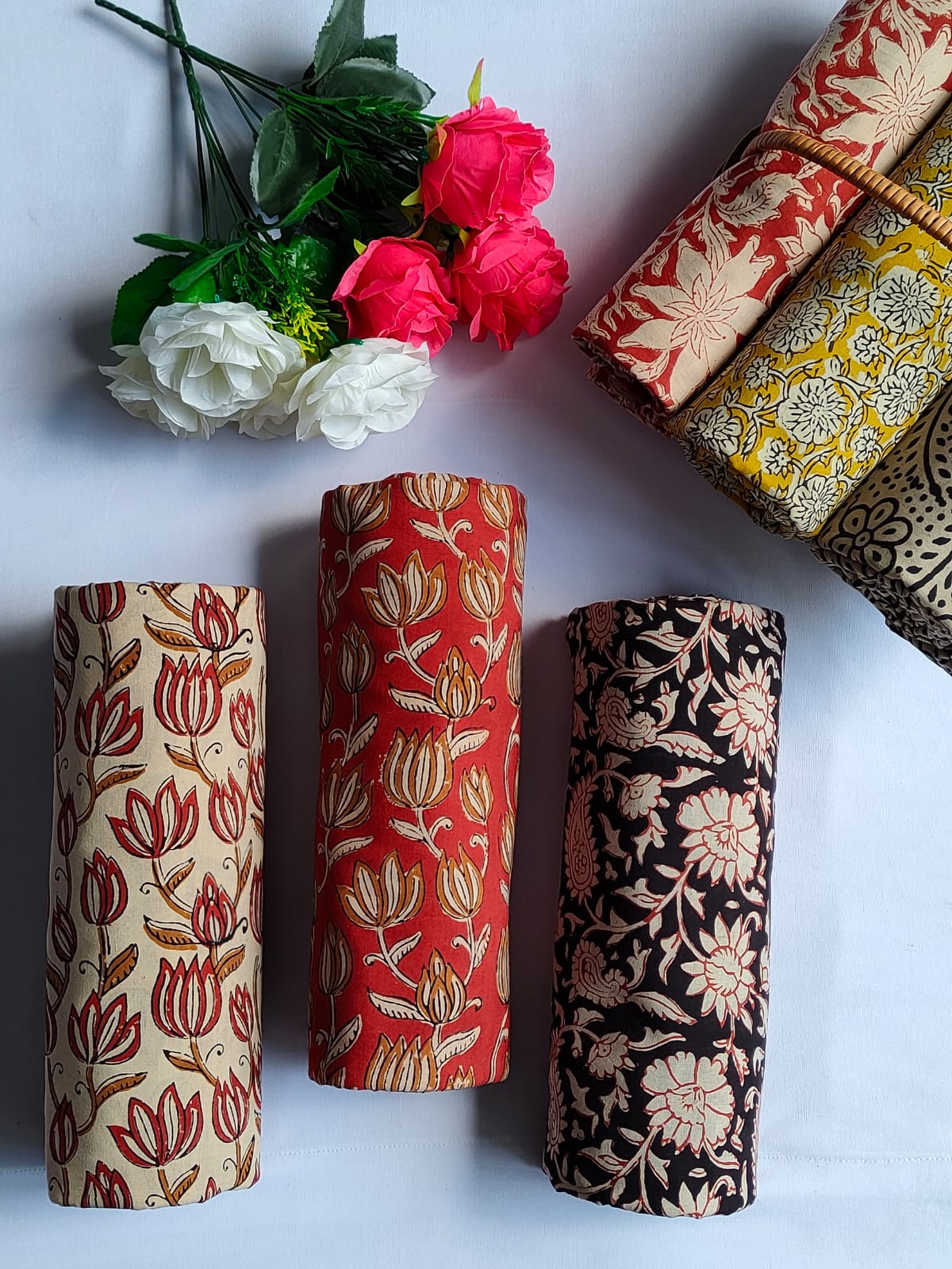


Printed cotton fabric is a popular choice for clothing, sewing, home accessories, and handmade products. With a wide variety of colours, patterns, and fabric constructions available, it offers plenty of possibilities for people who want to create garments, design a clothing collection, make cushion covers, or develop unique fabric accessories.
Shopping online makes it easier to explore printed cotton fabrics without visiting multiple fabric stores. You can compare floral prints, geometric patterns, traditional Indian designs, and contemporary styles from different suppliers. However, finding high-quality printed cotton online requires more than choosing a design you like. Fabric composition, weight, weave, print quality, colour accuracy, and care instructions all influence whether a material is right for your project.
If you are wondering where to buy high-quality cotton print fabrics online, start with a retailer that provides clear product descriptions, detailed photographs, and useful information about the fabric's composition and dimensions.
For shoppers interested in Indian cotton textiles, Jaipur Bazar offers a selection of printed cotton fabrics, including traditional hand block, Bagru, and Dabu print styles. You can explore the Jaipur Bazar printed cotton fabric collection to find designs for clothing, sewing projects, handmade accessories, and other fabric-based products.
This guide explains where to buy printed cotton online, how to identify suitable fabric, which print styles to consider, and what to check before placing an order.
1. Where Can You Buy High-Quality Cotton Print Fabrics Online?
The best online fabric store depends on your project, preferred designs, budget, and required quantity. Some retailers focus on ready-to-buy fabric for individual sewing projects, while others serve designers, boutiques, and businesses that need material for production.
Online cotton fabric retailers
Online cotton fabric retailers are a practical starting point when you want to compare different fabric categories in one place. Depending on the supplier, you may find floral cotton prints, geometric designs, traditional motifs, plain cotton, and lightweight fabrics suitable for different garments.
Before purchasing, check whether the retailer provides the following information:
-
Fibre composition, including whether the fabric is 100% cotton
-
Fabric width and price per metre or other stated unit
-
Weight or construction details, where available
-
Print design, colour, and pattern scale
-
Care and washing instructions
-
Available quantity and delivery information
Jaipur Bazar is an option for shoppers looking for printed cotton fabric and traditional Indian textile designs. Browse the printed cotton fabric collection to explore available styles.
Specialist sewing and quilting stores
Sewing and quilting retailers may offer printed cotton in a variety of colours and patterns. These stores can be particularly useful if you need fabric for patchwork, quilting, decorative stitching, or small sewing projects.
When comparing products, check the fabric's dimensions and construction. Some printed fabrics are intended for lightweight clothing, while others are better suited to projects that require a more stable or structured material.
Do not assume that every printed cotton fabric is suitable for quilting or every other craft. Your project's pattern and construction requirements should guide your selection.
Online marketplaces
Online marketplaces can provide access to independent sellers, small fabric businesses, and unusual prints. They may be useful when you are looking for a particular colour palette or a design that is difficult to find locally.
However, the quality of product descriptions and photographs can vary. Read customer reviews, confirm the quantity included, and check the seller's return policy before ordering.
If important details such as fabric composition or width are missing, contact the seller rather than relying on the product title alone.
Direct suppliers for fashion brands and small businesses
If you are making garments or selling handmade products, a fabric supplier may be more suitable than a general craft retailer.
Business buyers should compare minimum order quantities, fabric specifications, pricing, and the availability of repeat orders. If your product depends on a particular print, ask whether the design is likely to remain available and whether future batches may differ.
For a new design, ordering a small quantity or sample first can help you assess the fabric before committing to a larger purchase.
2. What Makes Printed Cotton Fabric High Quality?
Printed cotton fabrics can look similar in photographs while behaving differently when cut, sewn, worn, or washed. Quality depends on the cotton fibre, yarn, fabric construction, printing process, finishing, and intended use.
Fibre composition
Start by checking whether the fabric is 100% cotton or a cotton blend. If you specifically want cotton, make sure the product description clearly identifies its composition.
Cotton blends may be suitable for certain projects, but they do not have exactly the same characteristics as pure cotton. Labels such as cotton feel or cotton-like do not necessarily mean that the fabric is entirely made from cotton.
For a better understanding of cotton materials, read the main types of cotton used in fabric production.
Fabric weave and construction
The construction of a fabric affects its drape, surface, and handling. A closely constructed cotton fabric may be appropriate for some shirts and dresses, while a lightweight construction may suit gathered garments or soft accessories.
The print itself does not determine the fabric's strength or suitability. Two printed cotton fabrics with different constructions may perform differently even if their designs look similar.
Learn more in the guide to different types of woven cotton fabrics used in clothing.
Print clarity and appearance
Look closely at the product photographs. Check the pattern scale, colour arrangement, and overall appearance of the print.
For designs with small motifs or detailed patterns, a close-up photograph can help you understand the visual effect. If the print needs to match across seams, consider whether its scale and direction will work with your pattern pieces.
Print appearance alone cannot establish the quality of the underlying fabric, so read the specifications as well.
Fabric weight and feel
Fabric weight influences how the material hangs and how it behaves during sewing. Lightweight printed cotton may suit certain summer garments, scarves, or soft accessories, while a more substantial fabric may work better for selected bags and home accessories.
Weight alone does not guarantee durability. Yarn quality, weave, finishing, and construction also matter.
Colour and care requirements
Printed cotton fabrics can differ in their resistance to fading and colour transfer. Check the care instructions before buying, particularly if the fabric will be used for clothing or items that require frequent washing.
If you are unsure about a fabric's behaviour, test a small piece before using it in the finished product.
For further guidance, read how to identify high-quality cotton fabric.
3. Popular Types of Printed Cotton Fabrics to Explore
Printed cotton comes in many styles, from contemporary designs to traditional Indian patterns. The right choice depends on the appearance you want and the type of product you plan to make.
Floral printed cotton
Floral prints are widely used in clothing and fabric accessories. Depending on the scale and colour palette, they can suit dresses, shirts, tunics, skirts, cushion covers, and handmade bags.
Small floral patterns may work well for garments with several panels or narrow pieces. Larger floral designs can create a stronger visual effect on a dress, cushion cover, or tote bag.
Before ordering, consider how the print will look when the fabric is cut into separate pieces.
Geometric printed cotton
Geometric prints include repeating shapes, lines, grids, and abstract patterns. They can suit contemporary clothing, accessories, patchwork, and decorative home products.
Check whether the pattern has a clear direction or repeat. A directional design may require additional fabric to keep the motifs aligned across seams.
Traditional Indian printed cotton
Traditional Indian printed cotton is an option for buyers interested in textile patterns associated with regional printing traditions.
Hand block, Bagru, and Dabu print styles can be used for selected garments, bags, cushion covers, table accessories, and other fabric-based products.
These designs can work in both traditional and contemporary settings. The key is to choose a print scale and colour palette that complement the finished product.
Abstract and contemporary prints
Abstract prints can provide a modern look for clothing and accessories. They may be suitable for garments where the fabric pattern is a central part of the design.
When choosing abstract prints, consider the overall colour balance and how the pattern will appear across the finished garment. Large or irregular motifs can look different once the fabric is cut and sewn.
Solid-colour cotton as a coordinating fabric
Although solid-colour cotton is not printed, it can be useful alongside printed material. A plain fabric can be used for contrast panels, linings, cuffs, collars, or other garment details.
If you are creating a coordinated collection, explore the plain cotton fabric collection to compare solid-colour options.
4. Explore Traditional Indian Cotton Print Fabrics
Traditional Indian prints offer distinctive design possibilities for people interested in cotton textiles. They can be used in clothing, accessories, and selected home products, depending on the fabric's construction.
Hand block print cotton fabric
Hand block printing uses carved blocks to apply designs to fabric. The technique is associated with traditional textile craftsmanship and can produce patterns with a distinctive handmade character.
Hand block-printed cotton can be used for shirts, dresses, tunics, bags, cushion covers, and decorative accessories.
Because the process involves applying patterns to fabric, slight variations in print placement may occur. These variations can be part of the character of the textile, but they should be considered if precise alignment is essential.
Explore the hand block print cotton fabric collection.
Bagru print cotton fabric
Bagru printing is a traditional textile printing style associated with Bagru in Rajasthan, India. Bagru fabrics are known for their distinctive patterns and traditional visual character.
They can be considered for garments, fabric bags, cushion covers, and other handmade products. When selecting a fabric, check its base construction, colour palette, print scale, and care instructions.
If you are creating several products from the same print, consider how the motifs will look across different shapes and sizes.
Browse the Bagru print cotton fabric collection.
Dabu print cotton fabric
Dabu is a traditional resist-printing technique associated with distinctive patterns. Dabu cotton fabrics can be used for selected clothing, accessories, and home textile projects.
The final appearance depends on the design, fabric base, printing process, and finishing. Check the product photographs and specifications before choosing material for a particular garment or accessory.
Explore the Dabu cotton fabric collection.
Choosing between hand block, Bagru, and Dabu prints
These styles offer different design possibilities, so the best choice depends on your project and visual preference.
Consider the following before deciding:
-
Pattern scale: Will the design work on the size of the garment or accessory?
-
Colour palette: Does the print coordinate with the other materials in your project?
-
Fabric construction: Is the base fabric suitable for the intended use?
-
Print placement: Does the design need to face a particular direction?
-
Care requirements: Can the fabric be maintained in a way that suits the finished product?
For fashion designers, it can be useful to test a sample before developing an entire collection around one print.
5. Which Printed Cotton Fabric Is Best for Different Projects?
There is no single printed cotton fabric that suits every application. Consider the finished product before choosing the material.
Printed cotton for dresses and tunics
For dresses and tunics, consider the fabric's drape, opacity, weight, and construction. A lightweight fabric may work for certain relaxed designs, while a more structured material may suit garments that need to maintain their shape.
Print scale matters too. Small patterns can work across multiple garment panels, while larger designs may be more effective on simpler silhouettes.
Check the sewing pattern recommendations before choosing a fabric.
Printed cotton for shirts
Printed cotton can be used for casual shirts and other tops. The right material depends on the desired fit and appearance.
For a crisp shirt, look for a fabric with suitable structure. For a softer, relaxed design, consider a fabric with a lighter drape if it meets the pattern requirements.
Printed cotton for tote bags and pouches
Printed cotton can add colour to tote bags, pouches, organisers, and handmade gifts.
For bags expected to carry weight, consider whether the fabric needs lining, interfacing, or reinforcement. A lightweight cotton may work for a small pouch but may not provide enough structure on its own for a larger bag.
Printed cotton for cushion covers and home accessories
Printed cotton can be used for cushion covers, table accessories, fabric organisers, and other decorative items.
Large patterns can work well on broad surfaces, while smaller motifs can be useful for compact accessories or coordinated sets.
If your project involves frequent washing, check the care instructions and consider testing the fabric before making the finished product.
For additional ideas, read popular uses of cotton fabric in home decor.
Printed cotton for patchwork and quilting
Printed cotton can provide colour and pattern for patchwork projects. When combining several fabrics, consider their weight, construction, and how the designs look together.
For projects that require repeated washing, test the fabrics for shrinkage and colour transfer where appropriate.
Plan the pattern layout before cutting, particularly if you need the prints to align or repeat consistently.
6. How to Buy Printed Cotton Fabric Online With Confidence
Shopping online can save time and provide access to a wider selection, but careful product checks are essential.
Read the complete product description
Look for fibre composition, fabric width, price unit, available quantity, and care instructions. If the listing includes fabric weight or construction details, compare them with your project's requirements.
Do not assume that every product in a printed cotton category has the same thickness or feel.
Check the price unit
Fabric may be sold per metre, per yard, or as a fixed-length piece. Confirm the quantity included in the listed price.
If you need enough material for several garments, calculate the total quantity based on the fabric width, pattern pieces, and any additional allowance needed for matching prints.
Examine the photographs
Look for images that show the overall print and close-up details. The overall view helps you understand the colour arrangement, while close-ups can reveal the design's finer details.
Remember that screen settings and lighting can affect colour appearance. If a precise colour match is important, request a sample where possible.
Review delivery and return policies
Check the expected delivery time, shipping cost, and return or exchange conditions before purchasing.
Cut fabric and custom orders may have different return conditions from standard products. Read the policy carefully so you understand the options if the material is not suitable.
Compare total value rather than price alone
A lower price does not automatically mean better value. Consider the fabric composition, dimensions, construction, print, and shipping costs together.
For businesses, repeat availability and consistency may be as important as the initial price. A fabric that works well for your product and can be sourced reliably may be more useful than a cheaper alternative with uncertain specifications.
7. What Should Fashion Brands Check Before Ordering Printed Cotton?
If you are a clothing brand, boutique, or small business, fabric sourcing affects both product quality and production planning.
Test a sample first
Before purchasing a large quantity, test the fabric in the intended garment or product. Check how it cuts, stitches, drapes, and behaves after appropriate care.
A sample can help you identify whether you need lining, interfacing, or a different construction.
Check repeat availability
If your collection depends on a particular print, ask the supplier whether the design is likely to remain available.
Printed designs can change between production batches, and some patterns may not be restocked. This matters if you plan to sell the same product for an extended period.
Calculate fabric consumption
Estimate how much fabric each finished product requires. Include allowances for seams, hems, print matching, cutting waste, and possible mistakes.
The pattern scale and direction can affect consumption. A directional print may require more fabric than a pattern that can be cut in any direction.
Review the total production cost
The cost of a finished garment includes more than the fabric. Include lining, thread, fasteners, labour, packaging, shipping, and applicable taxes when planning your budget.
For international orders, confirm the total landed cost before committing to production.
Match the fabric to the customer
Think about the finished product's purpose, expected care, and price point. A fabric that works well for a lightweight summer garment may not be suitable for a structured accessory.
Choosing materials according to your actual product requirements helps create a more consistent collection.
8. Why Explore Jaipur Bazar for Printed Cotton Fabrics?
Jaipur Bazar offers cotton fabric collections for shoppers interested in printed cotton and traditional Indian textile styles.
If you are looking for patterned cotton for clothing, sewing, or handmade products, start with the printed cotton fabric collection.
For traditional designs, explore the hand block print cotton collection, Bagru print cotton collection, and Dabu cotton fabric collection.
If you need a solid-colour material to coordinate with a print, browse plain cotton fabrics. For selected lightweight sewing and garment projects, you can also explore the cotton cambric collection.
You can browse the complete cotton fabric collection if you want to compare several categories.
Before ordering, check each product's fibre composition, dimensions, availability, and care instructions. If you are buying for a clothing brand or a larger project, test the material before committing to a production quantity.
Frequently Asked Questions
1. Where can I buy high-quality cotton print fabrics online?
You can explore specialist fabric retailers, online cotton fabric stores, sewing shops, and independent sellers. Compare fibre composition, fabric width, print quality, product photographs, care instructions, delivery costs, and return policies before ordering. Jaipur Bazar offers a range of printed cotton and traditional Indian print fabric collections.
2. How can I identify good-quality printed cotton fabric?
Check the fibre composition, fabric construction, weight where available, print appearance, and care instructions. Review detailed product photographs and customer feedback. If you are unsure about colour or texture, request a sample where possible.
3. Is printed cotton suitable for clothing?
Yes. Printed cotton can be used for many garments, including shirts, dresses, tunics, and skirts, provided the fabric's weight, construction, opacity, and drape suit the design.
4. What is the difference between hand block print, Bagru, and Dabu fabrics?
Hand block printing uses carved blocks to apply patterns. Bagru is a traditional printing style associated with Bagru in Rajasthan, while Dabu is a resist-printing technique. Each offers different design characteristics, and the final fabric also depends on its base construction and finishing.
5. Can I use printed cotton for bags and cushion covers?
Yes. Printed cotton can be used for bags, pouches, cushion covers, and other fabric accessories. The required weight and structure depend on the product. Some projects may need lining, interfacing, or reinforcement.
6. How much printed cotton fabric should I buy?
Use your sewing pattern or project dimensions to estimate the required quantity. Allow additional fabric for seams, hems, print matching, and cutting mistakes. Check the fabric width and price unit before ordering.
7. Does printed cotton fabric fade after washing?
Colourfastness varies according to dyes, printing methods, finishing, and care. Follow the supplier's washing instructions and test a small piece if colour transfer is a concern.
8. Is printed cotton suitable for a small clothing business?
It can be, provided the fabric suits the garment and production requirements. Test samples, calculate material consumption, confirm availability, and check whether the same design can be reordered before committing to a larger quantity.
9. Can I combine printed cotton with plain cotton?
Yes. Printed and plain cotton can work well together in clothing, bags, patchwork, cushion covers, and other sewing projects. Choose coordinating colours and check that the fabrics have compatible weights and care requirements.
10. What should I check before placing an online fabric order?
Confirm the fibre composition, fabric width, price unit, available quantity, print details, care instructions, shipping cost, delivery estimate, and return conditions. If you are ordering for production, check repeat availability and test a sample first.
Final Thoughts
Finding high-quality cotton print fabrics online starts with understanding your project and comparing the available materials carefully. Check the fibre composition, fabric construction, weight, print scale, colour, and care requirements rather than choosing by appearance alone.
Printed cotton can be used for clothing, handmade accessories, patchwork, cushion covers, and many other creative projects. Traditional Indian styles such as hand block, Bagru, and Dabu prints offer additional possibilities for designers and shoppers who want distinctive patterns.
Explore Jaipur Bazar's printed cotton fabric collection to compare available designs. You can also browse the hand block print, Bagru, and Dabu collections for traditional Indian print styles.
Whether you are sewing for yourself, developing a clothing collection, or making products for sale, choose the fabric according to its intended use and verify the specifications before ordering. A little research at the sourcing stage can help you select materials that work well for your finished product.