
Cotton is one of the most familiar materials in everyday life. It is used in T-shirts, jeans, shirts, dresses, underwear, towels, bedsheets, cushion covers, and many other products. From international fashion labels to home textile retailers and specialist cotton organisations, numerous companies work with cotton in different ways.
If you are interested in popular brands associated with cotton products, companies such as H&M, UNIQLO, Levi's, Gap, Ralph Lauren, Fruit of the Loom, and IKEA are useful examples to explore. Some are best known for clothing, others focus on everyday essentials or home textiles, and some operate across several product categories.
However, there is an important distinction between a company that sells cotton products and one that manufactures cotton fabric. Most clothing brands purchase fabrics or finished garments through supply chains, while fabric manufacturers and textile suppliers provide materials used by garment makers, designers, and other businesses.
Understanding these differences can help consumers choose suitable products and help fashion entrepreneurs identify companies worth studying when developing their own collections.
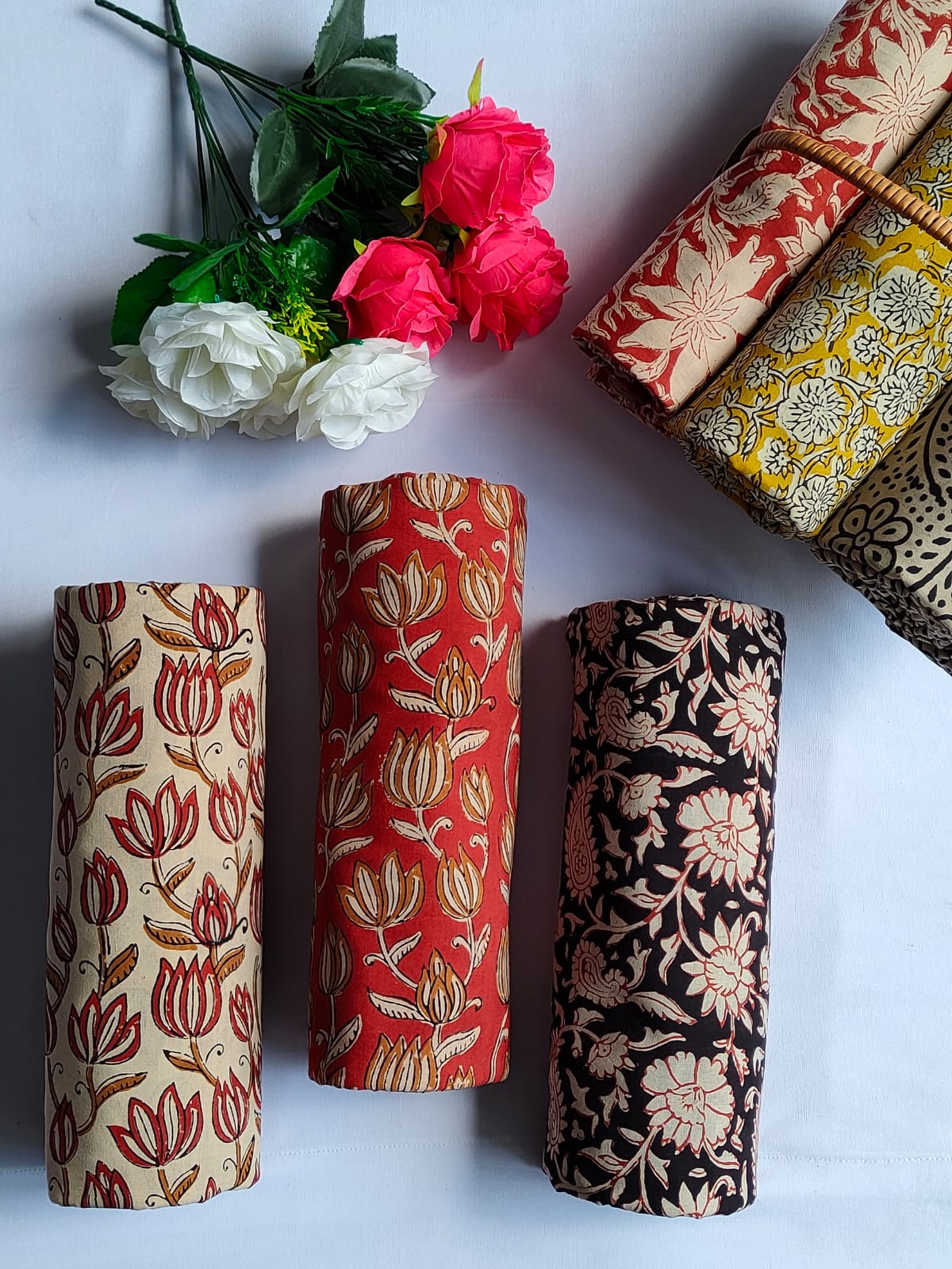
For anyone interested in sourcing cotton fabric directly for sewing, clothing production, or handmade products, Jaipur Bazar offers a range of cotton fabric categories. Explore the Jaipur Bazar cotton fabric collection to compare plain cotton, printed cotton, cambric, mulmul, and traditional Indian print styles.
1. H&M: Cotton Clothing and Everyday Fashion
H&M is a well-known fashion retailer offering clothing, accessories, and other fashion products for different age groups. Cotton is an important material in its product range, appearing in items such as T-shirts, shirts, jeans, dresses, and casual basics.
According to H&M Group's published materials information, cotton represented 56% of the materials used across its products in 2025. The company also reports using a range of natural, recycled, and man-made materials. These figures describe the company's overall material mix rather than the composition of every individual garment. H&M Group materials information.
What cotton products is H&M associated with?
H&M offers a variety of cotton garments, including basic T-shirts, casual shirts, jeans, and selected dresses. Its collections also include products made from cotton blends and other fibres.
For example, a product may use 100% cotton for its main fabric, while another may combine cotton with elastane or polyester. This is why shoppers should check the composition details for the specific garment they want to buy.
What can shoppers learn from H&M?
H&M illustrates how cotton can serve different purposes within a single fashion business. A plain cotton T-shirt may be positioned as an everyday basic, while printed cotton clothing can serve a different style preference.
If you are developing your own clothing collection, consider how colour, fabric weight, print, fit, and price work together. The fibre itself is only one part of the product.
For people who prefer sourcing fabric before making a garment, Jaipur Bazar's plain cotton fabric collection offers a starting point for exploring solid-colour cotton options.
2. UNIQLO: Cotton Basics and Functional Clothing
UNIQLO is a Japanese clothing brand known for everyday essentials, including T-shirts, shirts, trousers, innerwear, and casual clothing. Its product range includes both 100% cotton garments and cotton blends.
The brand also offers specialised product lines, including cotton clothing and AIRism products. Its cotton range includes different styles, from basic T-shirts to shirts, dresses, and children's clothing. Explore UNIQLO's cotton range.
Why is UNIQLO relevant to cotton products?
UNIQLO demonstrates that cotton can be used across a broad range of everyday clothing rather than being limited to one particular style.
Some garments are made entirely from cotton, while others combine cotton with additional fibres to achieve different characteristics. Product construction and fibre composition vary according to the design.
What can businesses learn from UNIQLO?
One useful lesson is the importance of consistency in basic products. A simple T-shirt still requires careful decisions about fabric weight, neckline construction, fit, stitching, and sizing.
For a clothing brand, a reliable basic range can be built around a few well-tested fabric options. Once the materials and fit are established, colours and prints can be introduced to expand the collection.
If you want to understand the properties of cotton before selecting it for clothing, read the benefits of 100% cotton fabric.
3. Levi's: Cotton Denim and Jeans
Levi's is strongly associated with denim jeans. Cotton has historically played a central role in denim, although the composition of modern jeans varies between products.
The brand's 501 Original Jeans provide a clear example of how different compositions can appear within a single product family. A Levi's India listing specifies 99% cotton and 1% elastane for one version, while another listed version uses 100% cotton. Levi's 501 Original Jeans, stretch version and 100% cotton version.
What cotton products is Levi's known for?
The brand is particularly associated with jeans and denim clothing. Cotton denim can also be used in jackets, shirts, and other casual garments.
The fabric's weight, yarn construction, weave, finishing, and any additional fibres influence the final garment. A rigid 100% cotton denim fabric will not necessarily feel or fit the same as a stretch version.
What can denim brands teach new designers?
Denim is a useful example of how fabric construction can become a defining feature of a product. Even when two garments use cotton, their appearance and performance can differ considerably.
If you are developing jeans or other cotton garments, consider the required fit, movement, weight, and surface finish before selecting fabric.
For a broader comparison of cotton and other fibres, read cotton fabric vs synthetic fabrics: comfort and durability.
4. Gap: Cotton-Based Casual Clothing
Gap is another established fashion brand associated with everyday clothing, including denim, T-shirts, shirts, sweatshirts, and casual wardrobe basics.
Gap Inc. operates a wider portfolio of brands, including Gap, Old Navy, and Banana Republic. The company identifies cotton as one of its key raw materials alongside other natural fibres, synthetic fibres, and manufactured cellulosic fibres. Gap Inc. raw materials and product information.
How is cotton used across casual clothing?
Cotton appears in many types of casual clothing because it can be produced in different weights, weaves, and knitted constructions.
A cotton jersey may be used for a T-shirt, while a woven cotton fabric may be selected for a shirt or a different type of garment. Cotton can also be combined with other fibres when the design requires particular characteristics.
What can small clothing businesses learn from Gap?
A broad clothing collection needs fabrics suited to different products. Using the same material for every garment may not deliver the desired fit, structure, or appearance.
For example, a lightweight fabric suitable for a summer shirt may not be appropriate for a structured jacket. Designers should choose materials according to the garment pattern and intended use.
If you are comparing fabric types for your own collection, read the different types of cotton fabrics available.
5. Ralph Lauren: Cotton in Classic and Premium Fashion
Ralph Lauren is associated with classic American fashion, including polo shirts, T-shirts, shirts, knitwear, and home products.
The brand's product range includes cotton garments as well as products made from other fibres. For example, its US website lists a Standard Fit Cotton T-Shirt made from 100% cotton. This is an example of one product rather than a statement about the entire collection. Ralph Lauren Standard Fit Cotton T-Shirt.
Why is cotton important in this category?
Cotton can be used in simple wardrobe essentials as well as more detailed garments. The finished appearance depends on the fabric construction, colour, cut, stitching, finishing, and design details.
A basic cotton T-shirt and a structured cotton shirt may use the same fibre but provide very different visual results.
What can designers learn?
Ralph Lauren illustrates the role of product design and brand identity in how cotton garments are presented. Fabric is only one element of a product's value. Fit, construction, finishing, and styling also shape the customer's perception.
For an independent clothing label, this means that selecting a suitable cotton fabric should go hand in hand with creating a consistent design language.
6. Fruit of the Loom: Cotton Essentials and Everyday Apparel
Fruit of the Loom is associated with everyday clothing essentials, including T-shirts, underwear, socks, and casual apparel.
Its product range includes cotton T-shirts and other cotton-based garments, alongside products made from blends and different materials. The company's website lists products such as cotton undershirts, everyday T-shirts, and other basics. Explore Fruit of the Loom apparel.
What makes this company relevant?
Everyday essentials show how important fabric selection is for products that are worn and washed frequently. Customers may consider softness, fit, durability, price, and ease of care when choosing these items.
Cotton can be a suitable material for many basics, but the final result depends on the fabric construction and garment quality.
What can small businesses learn?
A business selling basic clothing needs consistent sizing, reliable material specifications, and dependable production standards.
If you are planning to manufacture T-shirts or other cotton essentials, test the fabric, check how the garment behaves after washing, and review the construction before placing a larger production order.
7. IKEA: Cotton Home Textiles
Cotton is not limited to clothing. It is also used in home textiles such as bedsheets, towels, cushion covers, and selected kitchen products.
IKEA is a well-known home furnishing retailer with a broad textile range that includes bedding, cushions and cushion covers, towels, table textiles, and fabrics for sewing. Its home textile catalogue includes both cotton products and products made from other materials. Explore IKEA home textiles.
Which cotton products are common in home textiles?
Cotton is widely used in products such as:
-
Bedsheets and pillowcases
-
Towels and bath textiles
-
Cushion covers
-
Kitchen towels
-
Tablecloths and selected table accessories
-
Fabric-based decorative products
The best fabric depends on the product. Bedsheets need to be comfortable and appropriate for repeated washing, while cushion covers may prioritise print, colour, texture, and appearance.
What can home textile businesses learn?
Home textile products require different material specifications from many garments. Fabric width, shrinkage, colourfastness, construction, and washing performance can be particularly important.
If you are developing cushion covers, table accessories, or fabric organisers, think about how the fabric will look and perform after regular use.
Jaipur Bazar's printed cotton fabric collection and plain cotton fabric collection can help you explore different looks for selected fabric-based products.
8. Cotton Incorporated: A Company Focused on Cotton Research and Promotion
Not every company associated with cotton sells finished clothing or fabric directly to consumers. Some organisations support the cotton industry through research, product development, and marketing.
Cotton Incorporated is a not-for-profit research and marketing organisation that works to increase demand for and the profitability of US upland cotton. It provides resources related to cotton research, product development, and the wider cotton supply chain. It does not manufacture or sell consumer products itself. About Cotton Incorporated.
Why is Cotton Incorporated worth knowing about?
The organisation helps illustrate how the cotton industry extends beyond fashion retailers. Cotton research and promotion can support companies working with cotton from fibre development through finished products.
For designers and textile businesses, industry research can be useful when learning about cotton's characteristics, fabric innovation, and material applications.
How is this different from a clothing brand?
A clothing brand sells garments to consumers, while a research and promotion organisation supports the wider industry. A fabric manufacturer, textile mill, or fabric retailer plays a different role again.
Understanding these distinctions is useful when you are looking for information, planning a product range, or identifying potential suppliers.
9. What Types of Cotton Products Do These Companies Offer?
The companies discussed above work with cotton in different product categories. Comparing these categories helps explain why cotton remains relevant across clothing and home textiles.
Cotton T-shirts and casual tops
T-shirts are among the most familiar cotton products. They may use cotton jersey, cotton blends, or other knitted fabrics depending on the desired fit and feel.
When comparing T-shirts, check the fibre composition, fabric weight if provided, neckline construction, and care instructions.
Cotton jeans and denim clothing
Denim jeans are strongly associated with cotton. However, modern denim products can contain elastane or other fibres to change the stretch and feel.
If you prefer rigid denim, look for a product that specifies 100% cotton. If you want a more flexible fit, a stretch composition may be worth considering.
Cotton shirts and dresses
Woven cotton fabrics are used for many shirts, dresses, tunics, and other garments. The right fabric depends on the design, desired drape, opacity, and structure.
Plain cotton is useful for solid-colour styles, while printed cotton can provide a decorative surface.
Cotton underwear and essentials
Cotton is used in various everyday essentials, including selected underwear and undershirts. Composition and construction matter because these garments are worn close to the body and washed regularly.
Always check the label rather than assuming that all products in a category are made from 100% cotton.
Cotton bedsheets and towels
Home textiles use cotton in a range of constructions and finishes. For these products, absorbency, softness, fabric density, washing performance, and dimensions may be important considerations.
The product's intended use should guide your choice rather than the fibre name alone.
Printed cotton and traditional textile products
Printed cotton is used for clothing, bags, cushion covers, and other handmade products. Traditional Indian prints such as hand block, Bagru, and Dabu styles can provide additional design possibilities.
These fabrics can be especially relevant to independent designers and makers who want to explore different patterns and textile traditions.
10. How to Choose High-Quality Cotton Products
Brand recognition can help you discover products, but it does not guarantee that every item will suit your needs. Before buying cotton clothing or fabric, compare the actual product specifications.
Check the fibre composition
Confirm whether the item is made from 100% cotton or a blend. If it contains multiple fibres, check the percentages.
A cotton blend may be suitable for one application and less suitable for another. The intended use should guide the decision.
Consider the fabric construction
Cotton can be knitted or woven into different constructions. A knitted T-shirt fabric behaves differently from woven shirting, denim, or home textile fabric.
If you are buying fabric by the metre, ask for construction details where they are available.
Review the weight and dimensions
Fabric weight can influence drape and structure. Width determines how efficiently you can cut garment pieces or other components.
For ready-made clothing, check the sizing chart and garment measurements as well as the fibre content.
Read the care instructions
Cotton products can shrink or change appearance depending on construction, finishing, dyes, and washing conditions. Follow the care label and consider prewashing fabric before cutting if appropriate for your project.
Compare quality and price together
A higher price does not automatically mean a better product. Compare the material, construction, fit, finishing, and care requirements.
For more practical checks, read how to identify high-quality cotton fabric.
11. Cotton Brands and Fabric Suppliers: What Is the Difference?
This distinction matters if you are researching cotton products because you want to create your own clothing or home textile business.
A consumer clothing brand generally sells finished garments. A home textile retailer sells products such as bedsheets, towels, and cushion covers. A textile manufacturer produces yarn, fabric, or finished materials, while a fabric retailer sells material to consumers or businesses.
These roles may overlap, but they are not interchangeable.
If you want to buy a finished T-shirt, a clothing brand may be the right place to start. If you want to manufacture your own T-shirts, you may need a fabric supplier, garment manufacturer, or both.
If your project involves sewing clothing or creating handmade products, Jaipur Bazar's cotton fabric collections can help you explore material options before production.
Start with the complete cotton fabric collection, or browse cotton cambric, mulmul cotton, and printed cotton fabrics.
12. Cotton Fabric Options for Clothing Brands and Small Businesses
If you are planning to launch a clothing label, study established brands for product ideas, but choose fabric according to your own designs and customers.
Plain cotton for everyday designs
Plain cotton can be used for selected shirts, dresses, linings, and fabric accessories. It offers a simple base for designs that rely on shape, colour, or additional detailing.
Explore plain cotton fabrics at Jaipur Bazar.
Cotton cambric for selected lightweight garments
Cotton cambric is generally a lightweight, closely constructed cotton fabric. Depending on its specifications, it can suit some shirts, tunics, dresses, and other lightweight garments.
Browse the cotton cambric collection.
Printed cotton for distinctive products
Printed cotton can help clothing brands and makers create garments and accessories with colour and pattern. Consider print scale, direction, fabric weight, and the intended garment before ordering.
Explore printed cotton fabrics.
Traditional Indian prints
Hand block, Bagru, and Dabu fabrics can provide distinctive design options for clothing, accessories, and selected home textile products.
Explore hand block print cotton fabrics, Bagru print cotton fabrics, and Dabu cotton fabrics.
Before committing to production, check the exact fabric specifications and test a sample in your intended design. A fabric that works well for one product may not be appropriate for another.
Frequently Asked Questions
1. What are some popular brands associated with cotton products?
Popular examples include H&M, UNIQLO, Levi's, Gap, Ralph Lauren, Fruit of the Loom, and IKEA. These companies offer different types of clothing or home textiles, but the fibre composition varies by product.
2. Which brands are known for cotton T-shirts?
H&M, UNIQLO, Ralph Lauren, Gap, and Fruit of the Loom all offer T-shirts that include cotton options. Check the specific product listing to confirm whether it is 100% cotton or a blend.
3. Is Levi's clothing made from 100% cotton?
Some Levi's products are made from 100% cotton, while others contain elastane or additional fibres. The composition depends on the particular style and product version.
4. Which companies sell cotton home textiles?
IKEA is a prominent home furnishing retailer with a range of textile products, including bedding, towels, cushion covers, and table textiles. The material composition varies by product.
5. What is Cotton Incorporated?
Cotton Incorporated is a research and marketing organisation focused on US upland cotton. It supports the cotton industry through research and promotion rather than selling finished consumer products.
6. How can I tell if a brand uses pure cotton?
Read the product's material label or official product description. A garment described as 100% cotton should identify cotton as its main fibre composition, subject to the product's listed component details and applicable labelling rules.
7. Are cotton products always better than synthetic products?
Not necessarily. Cotton and synthetic fibres have different characteristics, and the best option depends on the intended use, fabric construction, care needs, and personal preferences.
8. Where can I buy cotton fabric for my own clothing brand?
You can explore specialist fabric suppliers and textile retailers. Jaipur Bazar offers plain cotton, printed cotton, and cotton cambric. Review the product specifications and availability before ordering.
9. What should a small clothing business check before sourcing cotton fabric?
Check fibre composition, fabric width, weight, construction, price, available quantity, repeat availability, and care requirements. Test a sample in the intended garment before placing a larger order.
10. Can traditional Indian cotton prints be used in modern clothing?
Yes. Hand block, Bagru, and Dabu prints can be used in contemporary garments, bags, accessories, and selected home products. The best choice depends on the print, base fabric, garment design, and intended use.
Final Thoughts
Many well-known brands and companies are associated with cotton products, but they use cotton in different ways. H&M, UNIQLO, Gap, and Ralph Lauren offer cotton clothing; Levi's is strongly associated with denim; Fruit of the Loom offers everyday apparel essentials; and IKEA sells a wide range of home textiles. Cotton Incorporated plays a different role by supporting cotton research and promotion.
When comparing products, look beyond the brand name. Check the fibre composition, construction, fit, care requirements, and intended use. A company's reputation can help you find options, but the specifications of the individual product are what matter when making a purchase.
If you are interested in sourcing cotton fabric for your own clothing, sewing, or handmade product projects, explore Jaipur Bazar's cotton fabric collection. Comparing plain cotton, printed cotton, cambric, mulmul, and traditional Indian print fabrics can help you find materials that suit your designs and production needs.