For designers and fabric buyers sourcing distinctive cotton textiles, Batik Print Cotton Fabrics for Liechtenstein
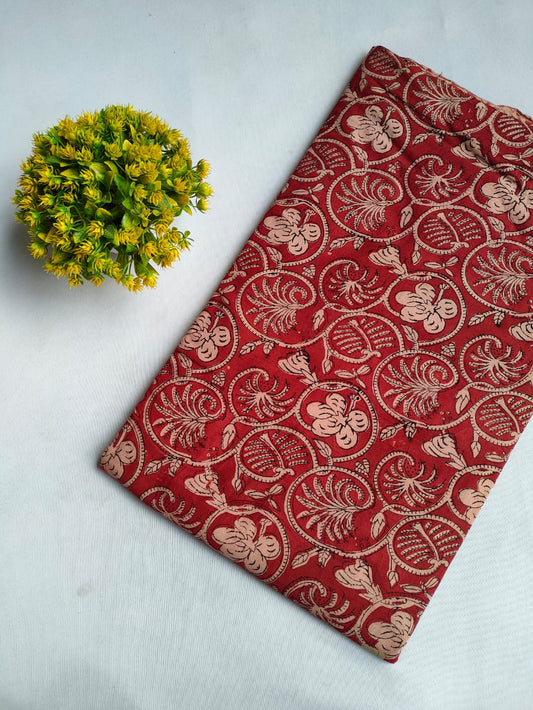
For designers and fabric buyers sourcing distinctive cotton textiles, Batik cotton fabric collection sourced directly from Jaipur Bazar. Jaipur Bazar brings Batik Print cotton fabrics to online buyers in Liechtenstein, making it easier to review traditional surface effects before production. Batik is a resist-dyed textile style that can bring floral forms, abstract motifs, layered colour, irregular edges and a handcrafted visual feel to a cotton base. For brands, boutiques, garment makers and fabric-led product businesses, the appeal is that the fabric can become an important part of the finished design rather than simply a plain background.
Businesses serving customers in Liechtenstein can use the fabric at different points of a collection, from a hero printed garment to a smaller accessory or coordinating piece, depending on the selected cotton base.
A Closer Look at Batik Cotton Patterns
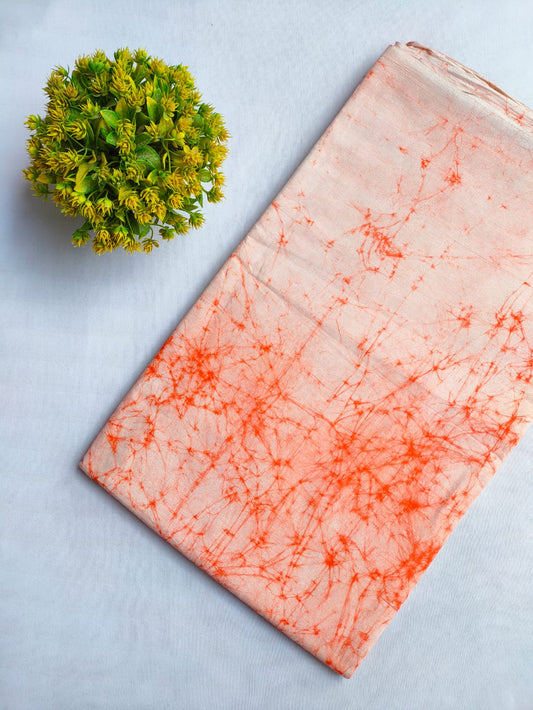
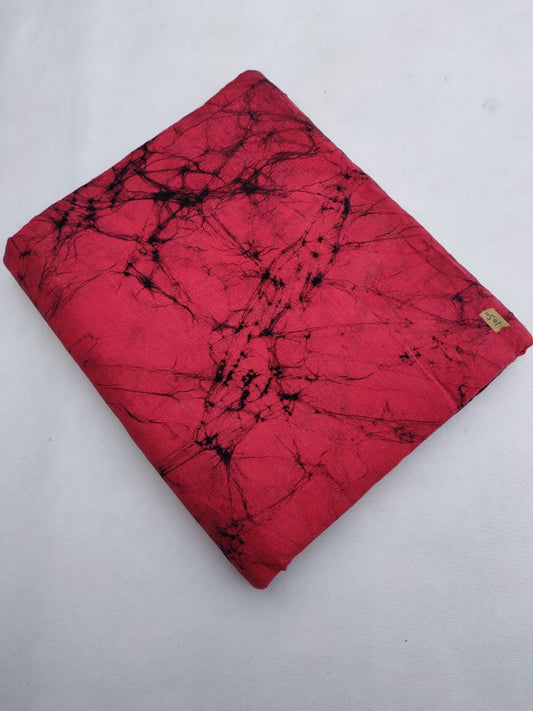
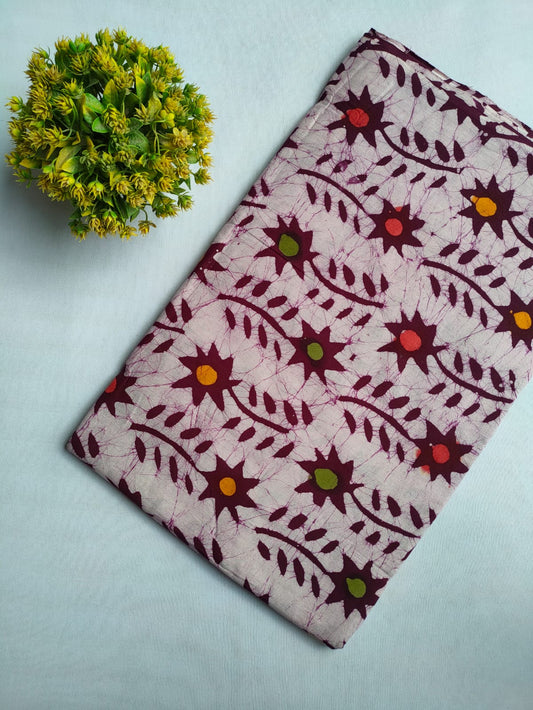
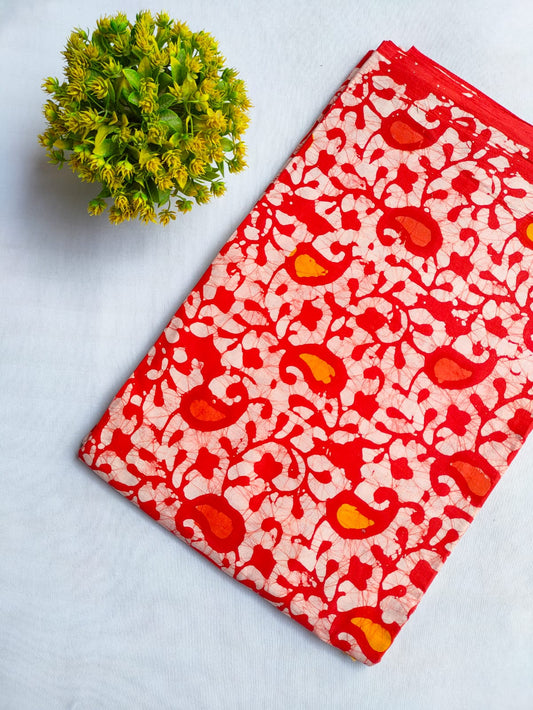
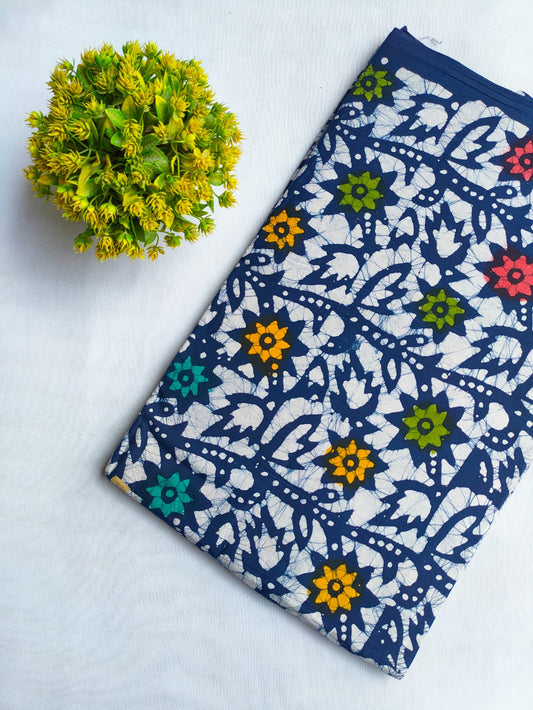
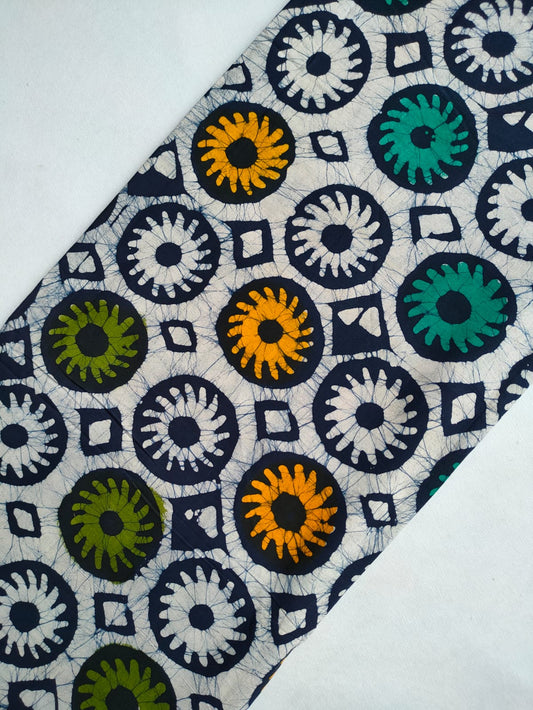
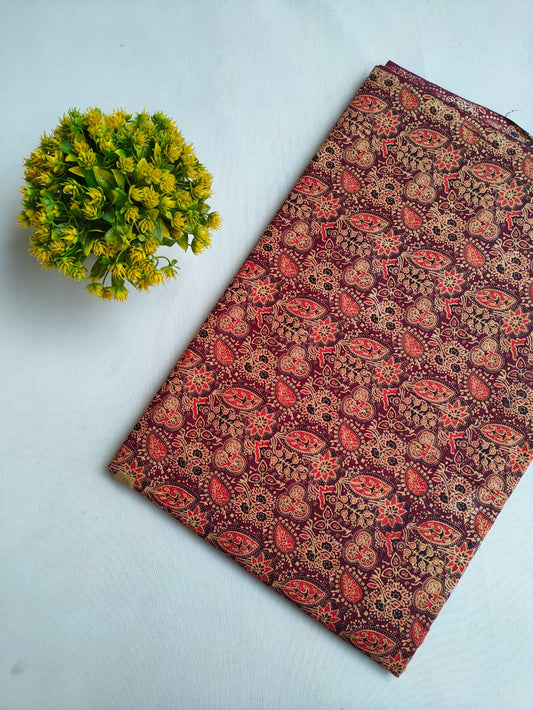
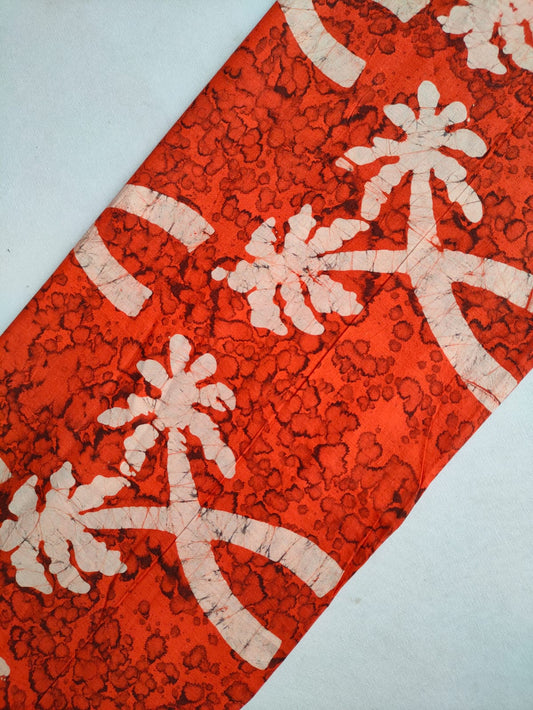
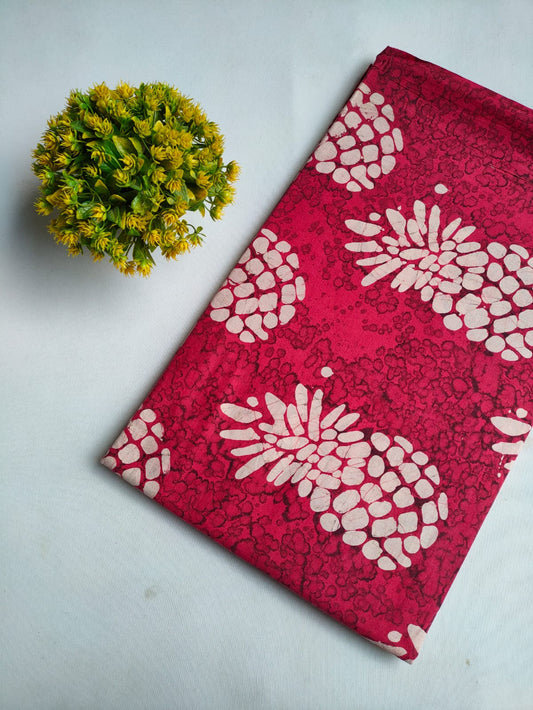
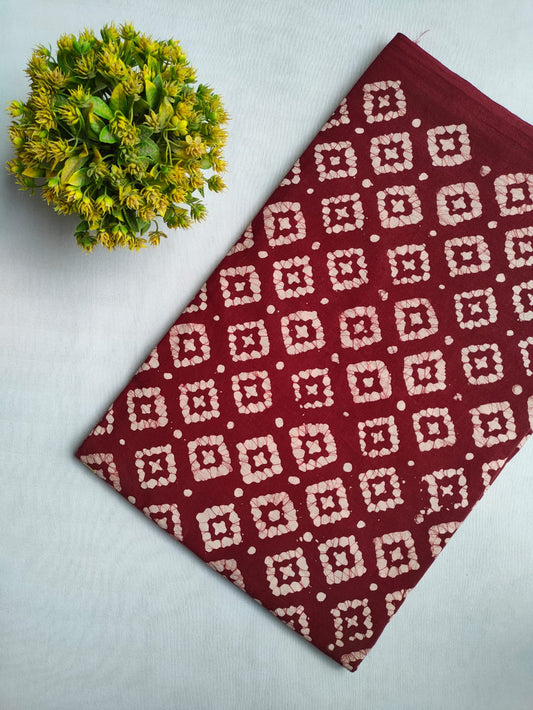
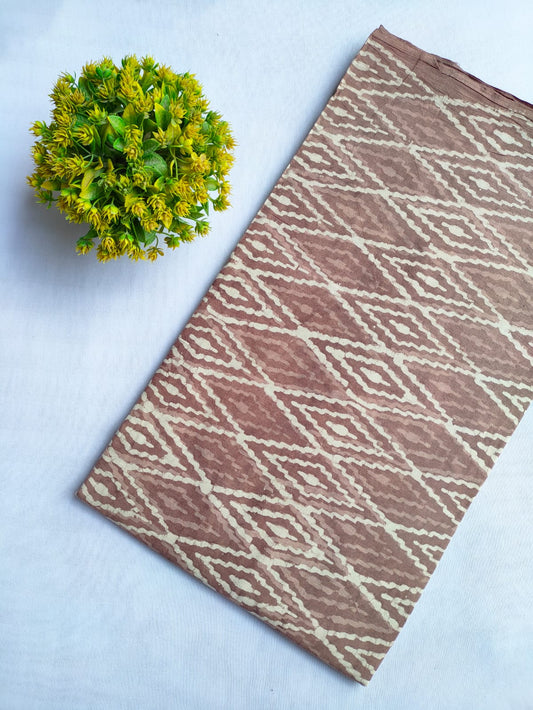
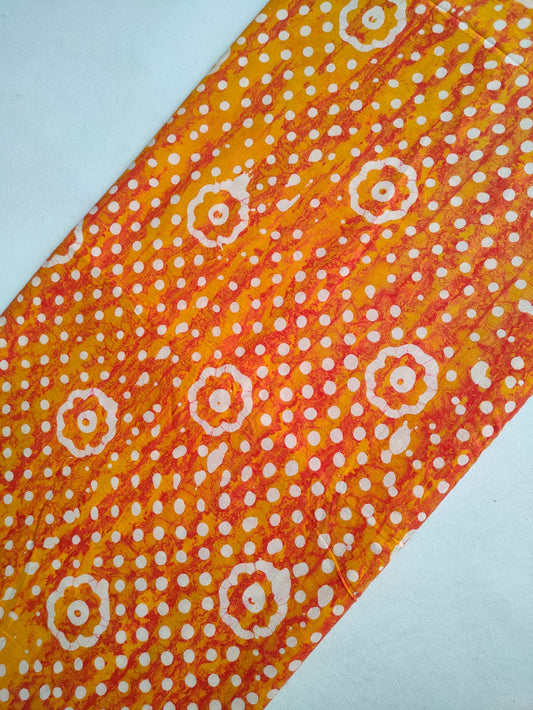
The appeal of Batik comes from the way resist and dye interact on the cotton surface. Depending on how the design is developed, you may see fine lines, broken edges, tonal movement, crackled areas, or layered colour effects. Some patterns are strongly symmetrical, while others intentionally retain an irregular handmade appearance. This makes Batik useful for collections that need a textile with visible process and surface character rather than a flat, uniform look. The final appearance can differ by design, so checking the actual fabric selected for production remains important.
Batik Cotton Manufacturing and Dyeing Process
Batik production is a process rather than a single printing step. The cotton fabric is prepared, the resist is introduced to create the pattern, and dye is applied to build the required colour. Depending on the design, the cloth can pass through repeated resist and dye stages. The resist is then removed during processing so the pattern becomes visible. After washing and drying, finishing brings the fabric to its saleable form. Different designs can therefore show different levels of line detail, colour layering, and surface variation. For production buyers, the finished fabric should be evaluated for construction, usable width, hand feel, shade consistency, and the visual quality of the chosen design.
Points to Check Before Ordering
Selecting a Batik fabric is not only about choosing a colour. Garment makers should consider whether the fabric is lightweight or more substantial, how it drapes, how the printed or resisted areas sit on the surface, and whether the motif scale works with the planned garment. For repeat orders, buyers may also want to compare sample and production lots for shade and appearance. Small surface differences can matter when a design has large motifs or strong contrast. Reviewing a physical sample is therefore a useful step before committing the fabric to a larger collection.
Batik Cotton for Apparel Collections
For fashion brands, Batik cotton can support both statement garments and smaller coordinating pieces. It may be considered for dresses, tops, tunics, skirts, shirts, co-ord sets, scarves, and accessories, as well as selected made-ups such as totes and cushion covers. The patterned surface gives designers flexibility to use the fabric as a main feature or as one component within a mixed-fabric range. Product teams can compare pattern scale and fabric weight with the intended silhouette before deciding how much of the collection should use the Batik design. Buyers planning garment-specific ranges can also review cotton fabrics for tops to compare how the printed cotton surface works with the intended product type.
Batik Fabric Supply for Fashion Teams
For buyers in Liechtenstein, online sourcing from Jaipur Bazar can simplify the process of comparing Indian Batik cotton designs without beginning with a large commitment. Ready stock is useful when a selected fabric is needed for an active range, and low minimum orders can support sampling or smaller production requirements. Teams can first evaluate the chosen fabric and then decide whether it fits their garment pattern, product category, and target collection. The final fabric specification should always be confirmed from the selected product before production planning.
For collection planning, the main advantage is being able to assess the fabric itself first and then match it to the requirements of the local business or brand.
Compare Batik With Other Jaipur Print Styles
For a wider sourcing basket, buyers can move beyond Batik and compare Printed Cotton Fabrics, Hand Block Print Cotton Fabrics, and Dabu Cotton Fabric. These collections can sit alongside Batik when a fashion range needs several surface-print stories. Buyers can also use Plain Cotton Fabrics as a coordinating base for trims, panels, or simpler styles.