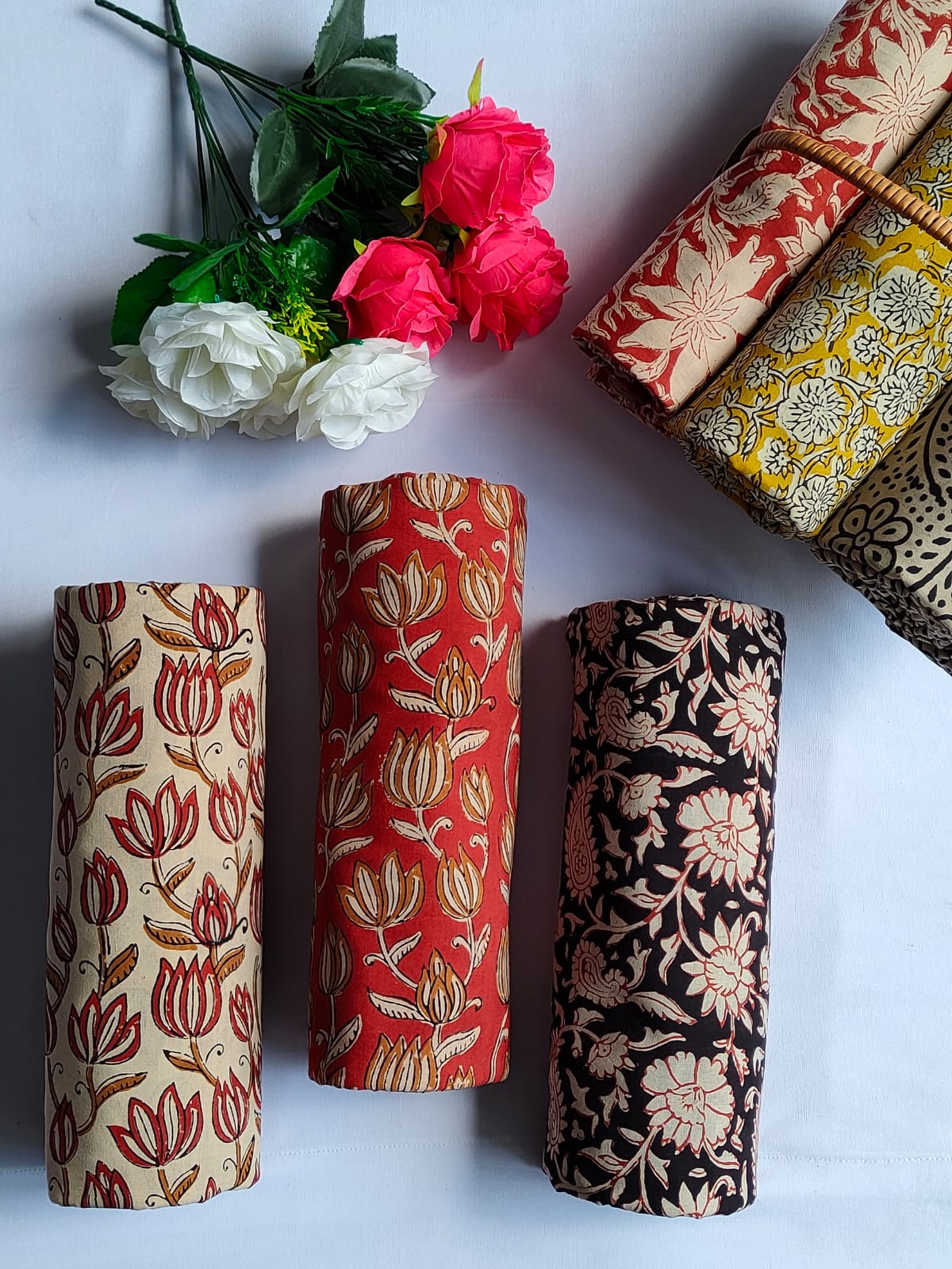


Cotton molleton fabric is a soft, thick textile commonly associated with warmth, comfort, and protective textile applications. Depending on its construction, it can be used for sweatshirts, comfortable indoor clothing, blankets, bedding layers, quilting, and other products that benefit from a soft, cushioned surface.
The term molleton is used in different textile markets, and fabric descriptions can vary. It commonly refers to a fabric with a brushed or raised surface that gives it a soft, slightly fluffy feel. Some versions are made from cotton, while others contain cotton blends or different fibres. The fabric may be woven or knitted, depending on the particular product. Textile references describe molleton as a soft, napped fabric that can provide useful insulation.
Understanding its construction is important when choosing molleton for clothing, home textiles, or sewing projects. A thick, brushed fabric suitable for a winter sweatshirt may not be the right choice for a lightweight summer shirt or a decorative textile.
In this guide, we will explore the main uses of cotton molleton fabric, its characteristics, the types of products it can be used to make, and the factors to consider before buying it.
1. What Is Cotton Molleton Fabric?
Cotton molleton is generally understood as a cotton-based fabric with a soft, raised, or brushed surface. The brushing process lifts fine fibres from the fabric surface, creating a fuzzy texture that can help retain air and improve the fabric's insulating properties.
Depending on the construction and finish, molleton may have a smooth face and a brushed reverse, or a soft surface on both sides. Its thickness, weight, flexibility, and texture vary by product.
Some molleton fabrics are woven, while others are knitted. This distinction affects how the fabric stretches, drapes, and performs in finished products.
Common characteristics of cotton molleton
-
Soft texture: A brushed surface can give the fabric a soft, comfortable feel.
-
Warmth: The raised fibres can trap air, making suitable versions useful for colder conditions.
-
Body and thickness: Many molleton fabrics are thicker than lightweight cotton shirting materials.
-
Versatility: Depending on construction, they can be used for clothing, bedding, craft projects, and protective textile layers.
-
Different finishes: The surface may be brushed on one side or both sides.
These characteristics are not identical across every product sold as molleton. Before purchasing, check the fibre composition, fabric weight, construction, and finishing details.
2. Sweatshirts, Hoodies, and Casual Clothing
One of the best-known uses of cotton-based molleton is in comfortable casual clothing. Suitable molleton fabrics can provide the thickness, softness, and warmth needed for garments designed for cooler weather.
Depending on whether the fabric is woven or knitted, and whether it contains only cotton or a blend, it may be suitable for different garment styles.
Common clothing applications include:
-
Sweatshirts
-
Hoodies
-
Joggers and relaxed trousers
-
Casual jackets
-
Pullover tops
-
Comfortable lounge sets
Why is molleton used for sweatshirts?
A suitable molleton fabric can create a comfortable garment with a soft inner surface. Its thickness helps provide warmth, while the outer surface can offer a clean base for solid colours, embroidery, or printed designs.
For example, a cotton-rich knitted molleton may work well for a relaxed sweatshirt or hoodie. A heavier woven molleton may be better suited to a different type of garment or a protective textile application.
When selecting fabric for casual clothing, check whether it has enough stretch for the intended design. Knitted sweatshirt fabrics generally behave differently from woven molleton, which may have little stretch.
3. Winter Clothing and Warm Layers
Cotton molleton can be useful for garments intended to provide extra warmth without relying solely on heavy outerwear. Its brushed surface can help retain air close to the fabric, depending on its construction and thickness.
Potential applications include:
-
Winter shirts
-
Warm indoor tops
-
Relaxed jackets
-
Lined garments
-
Comfortable lounge clothing
-
Children's winter clothing
The best choice depends on the climate, garment design, and intended level of warmth.
For example, a brushed cotton fabric may be suitable for a winter shirt, while a thicker molleton may be better for a warmer layer. A knitted cotton-rich fabric may suit casual clothing where flexibility is important.
Cotton molleton should not automatically be treated as weatherproof or windproof. Those properties depend on the fabric structure and any specialised treatments applied to it.
4. Pyjamas and Comfortable Homewear
Comfort is a major consideration when selecting fabric for clothing worn at home. Some cotton molleton fabrics are suitable for pyjamas, lounge trousers, relaxed tops, and other indoor garments, particularly when a warmer fabric is desired.
Possible applications include:
-
Long-sleeved pyjama tops
-
Lounge trousers
-
Matching homewear sets
-
Warm nightshirts
-
Indoor robes
-
Relaxed winter clothing
Choosing molleton for homewear
The fabric should feel comfortable against the skin and suit the temperature in which the garment will be worn.
A heavily brushed or thick fabric may feel too warm for hot weather. A lighter cotton fabric may be more appropriate for summer nightwear, while a warmer molleton may be useful in colder conditions.
Pay attention to the inner surface, seams, and garment fit. If the fabric is knitted, consider its stretch and recovery. If it is woven, check how it drapes and whether it provides enough freedom of movement.
For homewear, the most suitable fabric is the one that balances comfort, warmth, fit, and ease of care.
5. Bedding and Mattress Protection
Cotton molleton is also used in certain bedding products, especially where a soft, protective textile layer is needed.
Depending on its weight and construction, it may be used for:
-
Mattress protectors
-
Protective bedding layers
-
Underblankets
-
Bedding pads
-
Soft layers beneath sheets
The fabric can provide a soft surface and help protect the layer underneath from ordinary wear. However, the level of absorbency and protection varies, and molleton is not automatically waterproof.
Molleton for mattress protectors
A suitable molleton fabric may be used as part of a mattress protector or a layered bedding product. In these applications, thickness, surface texture, durability, and washing requirements are important.
Some mattress protectors combine a cotton-based textile with a separate waterproof backing. The waterproof performance comes from that additional layer, not simply from the cotton molleton itself.
When selecting fabric for bedding, consider its intended function, dimensions, washing requirements, and whether it needs any specialised protective treatment.
6. Quilting, Patchwork, and Fabric Craft Projects
Cotton molleton can be used in certain quilting and sewing projects where a soft, slightly padded effect is desired.
Its suitability depends on the fabric's thickness, flexibility, and how it behaves when stitched between other layers.
Potential projects include:
-
Quilted covers
-
Decorative fabric panels
-
Soft textile organisers
-
Padded craft projects
-
Layered fabric accessories
-
Selected patchwork applications
How molleton works in layered textiles
In a layered textile project, molleton can add body and softness between an outer fabric and a lining. This can help create a fuller appearance or a more cushioned feel.
For example, a craft project might combine printed cotton on the outside with a suitable molleton layer and a plain cotton lining.
However, molleton is not interchangeable with every type of quilt batting or wadding. If a project requires a specific level of loft, softness, or washability, check whether the material is intended for that purpose.
Before beginning a large project, sew and wash a small sample to see how the layers behave together.
7. Ironing Board Covers and Protective Textile Layers
Some molleton fabrics are used as padding beneath the outer layer of ironing board covers. In this application, the material helps create a softer, more even surface for pressing garments.
Depending on its construction, it may also be used in other protective textile layers where cushioning or a soft backing is useful.
Common applications include:
-
Ironing board padding
-
Protective covers
-
Soft backing layers
-
Selected workshop and household textile products
Why thickness matters
An ironing board cover needs to balance cushioning with stability. A fabric that is too thick or uneven may not provide the desired pressing surface.
For this reason, choose a molleton product specifically suited to ironing board covers or similar applications rather than assuming every soft cotton fabric will perform well.
Check the material's heat tolerance, care requirements, and compatibility with the intended outer cover.
8. Curtains, Stage Textiles, and Interior Applications
Certain types of molleton are used in interior and technical textile applications, including stage curtains and other products where a dense, brushed surface is useful.
The fabric's thickness and surface texture can contribute to opacity and help reduce reflected light, depending on the product. Specially manufactured versions may be used in theatrical settings.
Potential applications include:
-
Stage curtains
-
Backdrops
-
Light-control textiles
-
Interior protective layers
-
Selected decorative textile projects
These uses require careful material selection. A standard cotton molleton is not necessarily flame-retardant, blackout-rated, or suitable for commercial stage use.
For professional installations, check the product specifications and any required fire-safety, light-blocking, or performance certifications.
9. Baby Blankets and Children's Textile Products
Some cotton molleton fabrics may be suitable for selected children's textile products because of their soft surface and warm feel. The appropriate use depends on the product's composition, construction, finish, and intended application.
Possible applications include:
-
Warm textile layers
-
Selected blanket constructions
-
Soft changing-area covers
-
Children's clothing
-
Padded textile accessories
What should you consider?
For products intended for babies and young children, softness alone is not enough to establish suitability. The fabric and finished product should meet the relevant safety requirements for their intended use.
Consider the fibre composition, dye and finishing information, washability, seams, and any small or detachable components. Products intended for infant sleep must also follow applicable safe-sleep guidance; loose blankets should not be placed in an infant's sleep space.
For clothing, choose a fabric weight and surface that suit the child's environment and garment design. A thick, heavily brushed fabric may be more appropriate for a cool setting than for hot weather.
10. Upholstery Backing and Soft Furnishing Projects
Cotton molleton can also be used as a backing or intermediate layer in certain soft furnishing applications.
Depending on the product, it may be placed between an outer decorative textile and another layer to improve the feel, add some body, or help create a smoother finish.
Potential uses include:
-
Selected cushion constructions
-
Soft furnishing backing
-
Decorative fabric panels
-
Protective layers beneath upholstery textiles
-
Craft-based interior accessories
Molleton is not a replacement for every upholstery padding material. It generally serves a different purpose from thick foam, structural padding, or specialised upholstery wadding.
For upholstery projects, choose the material according to the required durability, thickness, compression resistance, and intended cleaning method.
11. Reusable Household Textile Products
Some molleton fabrics can be used in reusable household textile projects where softness, absorbency, or a cushioned surface is useful.
Depending on the fabric's composition and construction, possible applications include selected reusable cloths, padded covers, and layered household accessories.
However, not all molleton is equally absorbent or easy to wash. A fabric with a dense construction or particular finishing treatment may behave differently from a lighter brushed cotton material.
Before making reusable household products, check:
-
Whether the fabric can withstand frequent washing
-
Whether it retains its shape after laundering
-
Whether the surface pills or becomes flattened
-
Whether it is suitable for the intended level of moisture exposure
-
Whether any coatings or finishes affect its use
For items that need to absorb liquid, compare the fabric with materials specifically designed for absorbency rather than relying on thickness alone.
12. Is Cotton Molleton Suitable for Every Type of Clothing?
No. Cotton molleton is best suited to products that benefit from its particular thickness, surface texture, and potential warmth.
It may not be the ideal choice for garments that require a very light feel, a fluid drape, or a crisp, lightweight construction.
For example:
-
Summer shirts: Lightweight cotton fabrics are usually more suitable.
-
Flowing summer dresses: A lighter cotton fabric may provide the desired drape.
-
Sweatshirts: Suitable cotton-rich knitted molleton can be a good option.
-
Winter homewear: A warm, soft molleton may work well.
-
Bedding layers: A product designed for bedding may be appropriate.
-
Quilting: Choose a molleton or batting specifically suited to the project.
The best fabric depends on the garment's purpose, the climate, and the desired appearance.
If you are sourcing fabric for everyday shirts, dresses, kurtas, or other lightweight garments, explore the Jaipur Bazar cotton fabric collection for a range of cotton categories.
13. Cotton Molleton vs. Other Cotton Fabrics
Understanding how molleton differs from other cotton materials can help you make a more informed selection.
| Fabric | General characteristics | Common applications |
|---|---|---|
| Cotton molleton | Often thick and brushed, with a soft surface | Warm clothing, bedding layers, protective textiles |
| Plain cotton | Available in many weights and constructions | Shirts, dresses, kurtas, sewing projects |
| Cotton cambric | Generally fine and closely woven | Shirts, tunics, dresses, lightweight garments |
| Mulmul cotton | Lightweight and often softly draping | Loose tops, lightweight kurtas, flowing garments |
| Printed cotton | Cotton fabric decorated with printed patterns | Dresses, shirts, kurtas, skirts, accessories |
| Cotton jersey | Knitted fabric that often offers stretch | T-shirts, casual tops, comfortable clothing |
These descriptions are general. Specific products may differ in weight, composition, finishing, and construction.
Plain Cotton for Everyday Clothing
Plain cotton is available in a broad range of weights and textures. It is often a useful starting point for shirts, kurtas, dresses, and other garments.
Explore plain cotton fabrics.
Cotton Cambric for Shirts and Dresses
Cotton cambric is often chosen for garments that need a relatively fine, closely woven material. The suitability of a particular fabric depends on its actual weight and finish.
Browse cotton cambric fabrics.
Mulmul Cotton for Lightweight Garments
Mulmul cotton is valued for its lightweight character and soft drape. It can be useful for loose garments and designs where an airy appearance is desired.
Discover mulmul cotton fabrics.
14. How to Choose the Right Cotton Molleton Fabric
Before buying cotton molleton, consider the end use rather than choosing only by touch or appearance.
Check the Fibre Composition
Confirm whether the material is 100% cotton or a blend. A fabric described as cotton molleton may contain other fibres, so check the product specification.
Check the Construction
Find out whether the fabric is woven or knitted. Knitted versions may offer more stretch, while woven versions can provide a more stable structure.
Consider the Weight
A heavier fabric may be useful for warm clothing, bedding, or protective layers. A lighter version may suit different garments or craft applications.
Check the Brushed Surface
Some molleton fabrics are brushed on one side, while others are brushed on both sides. This affects the feel and appearance of the material.
Think About the Finished Product
A sweatshirt, mattress protector, curtain, and quilted accessory have different requirements. Choose a fabric specifically suited to the intended use.
Review Care Instructions
Cotton-based fabrics can shrink during washing, and brushed surfaces may change with repeated laundering. Follow the manufacturer's care instructions and consider prewashing before cutting fabric for sewing.
Test Before Bulk Purchasing
If you are producing garments or textile products, obtain a sample where possible. Check the fabric's feel, drape, shrinkage, stitching performance, and appearance after washing.
Conclusion
Cotton molleton fabric is a useful textile for applications that benefit from a soft, raised surface, added body, or warmth. Depending on its construction and composition, it can be used for sweatshirts, hoodies, homewear, bedding layers, quilting, ironing board covers, curtains, and selected soft furnishing projects.
The most important point is that not every molleton fabric is the same. Some versions are woven, others are knitted, and fibre compositions can vary. These differences influence stretch, warmth, drape, durability, and the products for which the fabric is suitable.
Before choosing cotton molleton, check the composition, weight, construction, finish, and care requirements. Matching these characteristics to the intended product will help you achieve a better result.
If you are exploring materials for shirts, dresses, kurtas, or other everyday cotton garments, visit the Jaipur Bazar cotton fabric collection to discover options suited to different clothing and textile projects.