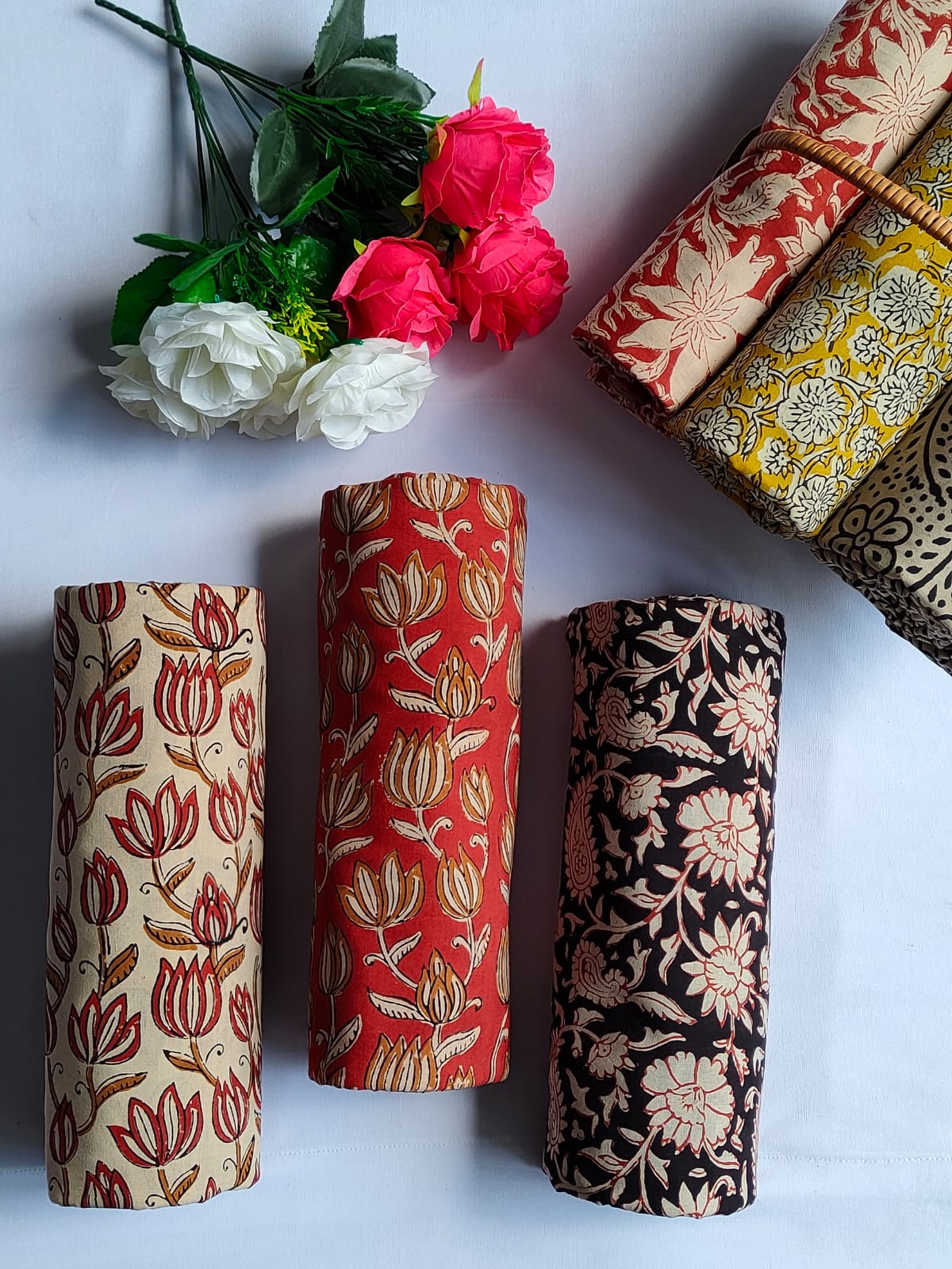


Cotton is more than a fabric used to make everyday clothing. It is a creative material that connects fashion, art, traditional craftsmanship, and modern design. From hand block printed dresses and embroidered kurtas to contemporary shirts, home textiles, and handmade accessories, cotton offers endless possibilities for artistic expression.
Its versatility makes it a favourite among designers, artisans, clothing brands, and people who enjoy creating their own garments. Cotton can be woven into different textures, dyed in a wide range of colours, printed with intricate patterns, and decorated using various surface embellishment techniques.
In India, cotton textiles also have a strong connection with regional craft traditions. Techniques such as hand block printing, Bagru printing, Dabu printing, and other forms of textile decoration have helped transform simple cotton fabric into distinctive works of art.
Today, these traditional methods continue to inspire contemporary fashion. Designers combine heritage prints with modern silhouettes, while independent brands use cotton to create clothing that reflects their own identity.
In this guide, we will explore the relationship between cotton, fashion, and art, including traditional textile crafts, modern clothing trends, fabric decoration techniques, and creative ways to use cotton in everyday design.
1. Why Cotton Is an Important Material in Fashion and Art
Cotton has long been used in clothing and textile crafts because it can be adapted to many different purposes. Its natural fibre structure makes it suitable for a variety of yarns, weaves, finishes, and decorative techniques.
For fashion designers, cotton offers a useful starting point for developing garments with different appearances and functions. A lightweight cotton fabric may work well for a flowing dress, while a firmer cotton fabric may be better suited to a structured shirt, jacket, or pair of trousers.
Artists and textile craftspeople also value cotton because it can serve as a surface for creative work. Depending on its construction and finish, it can be dyed, printed, embroidered, painted, quilted, or embellished.
Some common applications of cotton include:
-
Everyday shirts, dresses, kurtas, and trousers
-
Hand block printed clothing
-
Printed scarves, dupattas, and accessories
-
Embroidered garments
-
Textile paintings and fabric art
-
Tote bags, cushion covers, and table linens
-
Patchwork, quilting, and decorative crafts
Cotton is not a single uniform material. Its weight, weave, texture, absorbency, and finish influence how it behaves during garment construction and surface decoration. Choosing the right fabric is therefore an important part of the creative process.
Explore the Jaipur Bazar cotton fabric collection to discover different cotton options for clothing, craft projects, and textile-based designs.
2. The Relationship Between Cotton and Traditional Indian Textile Art
India has a rich history of textile craftsmanship, and cotton has played an important role in many regional textile traditions. Artisans have developed distinctive ways to decorate fabric using printing, dyeing, embroidery, weaving, and other techniques.
These crafts often reflect the visual identity of a region through their colours, motifs, materials, and production methods.
Traditional textile designs may feature flowers, leaves, geometric shapes, architectural details, religious symbols, animals, or patterns inspired by nature. The same techniques can also be adapted for contemporary clothing and accessories.
Some well-known approaches to cotton textile decoration include:
-
Hand block printing
-
Resist printing and dyeing
-
Screen printing
-
Hand embroidery
-
Fabric painting
-
Patchwork and quilting
-
Tie-dye and other resist-dyeing methods
Each technique creates a different visual effect. Block printing can produce repeating motifs with a handcrafted appearance, while screen printing is useful for reproducing designs across multiple pieces of fabric. Embroidery adds texture through stitched patterns, and fabric painting allows artists to create more individual compositions.
The relationship between cotton and textile art is especially interesting because the fabric itself becomes part of the design. Its texture, colour, and weave can influence the final appearance of the artwork.
3. Hand Block Printing: Turning Cotton into Wearable Art
Hand block printing is one of the most recognisable traditional Indian textile techniques. It involves transferring a design onto fabric using carved blocks, usually made from wood.
The block is coated with dye or printing paste and pressed onto the fabric to create a motif. Artisans repeat this process to develop a pattern across the material. Different blocks may be used for separate colours or parts of a design.
Because the process involves manual placement, small variations can occur between impressions. These variations can contribute to the handcrafted character of the finished textile.
Hand block printed cotton can be used to create:
-
Dresses and tunics
-
Shirts and blouses
-
Kurtas and ethnic wear
-
Skirts and palazzo trousers
-
Scarves and stoles
-
Cushion covers and table linens
-
Bags and other fabric accessories
The visual possibilities are broad. Small floral motifs can create a delicate pattern, while larger geometric prints can make a stronger statement.
How Block Prints Work in Contemporary Fashion
Modern designers often combine traditional block prints with contemporary garment shapes. A traditional floral pattern may appear on an oversized shirt, a relaxed co-ord set, or a modern midi dress.
This approach allows the printed fabric to remain visually important without restricting the garment to a traditional silhouette.
For example, an indigo block-printed cotton fabric can be used for a modern shirt paired with plain trousers. A floral block print may suit a relaxed dress, while a geometric print can work well for a skirt or structured top.
Explore hand block print cotton fabrics for fabric designs that combine traditional printing with possibilities for modern clothing.
4. Bagru Printing and Its Artistic Character
Bagru printing is a traditional textile printing craft associated with Bagru, a town near Jaipur in Rajasthan. The craft is known for its distinctive printing traditions and the use of carved wooden blocks.
Bagru-inspired textiles often feature floral motifs, geometric arrangements, repeating patterns, and colour combinations influenced by traditional design preferences. Depending on the process and design, earthy shades and indigo tones may feature prominently.
Cotton is commonly used for printed garments because it provides a practical surface for many textile printing methods. However, the final appearance and performance depend on the fabric construction, dyes, printing materials, and finishing processes.
Bagru prints can be used for a variety of fashion products, including:
-
Cotton kurtas
-
Everyday dresses
-
Shirts and tunics
-
Printed skirts
-
Co-ord sets
-
Scarves and stoles
-
Fabric bags and accessories
Bringing Bagru Prints into Modern Design
A useful way to style Bagru prints is to pair them with simple silhouettes. A printed cotton shirt with plain trousers allows the pattern to stand out, while a Bagru-inspired dress can become the main feature of an outfit.
For designers and small clothing brands, these prints can also help create a recognisable product identity. The choice of motif, colour combination, garment shape, and finishing details can make a collection feel distinct.
Discover Bagru print cotton fabrics for traditional patterns that can inspire clothing and textile design projects.
5. Dabu Printing: The Beauty of Resist-Based Patterns
Dabu printing is a traditional resist-printing technique associated with Rajasthan. In resist printing, selected areas of fabric are protected from dye so that they retain a contrasting appearance after the dyeing process.
In Dabu printing, artisans use a resist paste to create patterns before dyeing the fabric. The precise process can vary, but the result often features distinctive contrasts between printed motifs and the surrounding background.
Dabu textiles are frequently associated with indigo and earthy colour combinations, although designs and colours can differ.
The resulting patterns work well in both traditional and contemporary garments.
Common uses include:
-
Indigo-inspired cotton dresses
-
Printed kurtas and tunics
-
Casual shirts
-
Long skirts
-
Relaxed trousers
-
Scarves and stoles
-
Decorative textile products
Why Dabu Prints Appeal to Contemporary Designers
Dabu patterns can add visual depth to clothing without relying on heavy embellishment. Their repeating motifs and contrasting colours can create interest even in relatively simple garment shapes.
A Dabu-printed shirt paired with white trousers offers a balanced everyday look. A long printed dress can create a more expressive outfit, while a printed skirt can be combined with a plain top.
Explore Dabu cotton fabrics for designs inspired by this traditional textile craft.
6. Screen Printing and Contemporary Cotton Design
Screen printing is another important technique used to decorate cotton textiles. It involves transferring ink or printing paste through a prepared screen onto the fabric. Different screens can be used for separate colours or design elements.
Unlike hand block printing, screen printing can be suitable for reproducing the same design across larger quantities of material. The final result depends on the screen preparation, ink, fabric, printing method, and curing or finishing process.
Screen printing offers considerable freedom in pattern development. Designers can work with bold illustrations, abstract shapes, typography, repeating motifs, and detailed colour combinations.
It is commonly used for:
-
Graphic cotton T-shirts
-
Printed shirts
-
Casual dresses
-
Tote bags
-
Promotional textile products
-
Contemporary home textiles
-
Branded clothing collections
Using Screen Printing for Fashion Collections
Screen printing is useful when a brand wants to develop a consistent visual theme across several products. A single design concept may be adapted for T-shirts, shirts, bags, or other cotton-based products.
For example, a clothing brand could develop a botanical illustration and use it across a small collection of tops and accessories. Another brand might use geometric patterns to create a recognisable visual identity.
Designers should consider the scale of the print, the colour of the base fabric, and the placement of the artwork before production.
Explore printed cotton fabrics for inspiration when planning printed garments and creative textile products.
7. Cotton and the Art of Colour
Colour is one of the most important elements in both fashion and textile art. It influences how a garment looks, how a print is perceived, and how different pieces work together in a collection.
Cotton fabrics can be produced in a wide variety of shades, from soft pastels and neutrals to deep indigo and bright statement colours.
Different colour combinations create different visual effects.
Earthy Colours
Rust, terracotta, olive, brown, beige, and muted red can give a textile a warm, grounded appearance. These shades often work well with traditional motifs and nature-inspired designs.
Indigo and Blue
Indigo, navy, and lighter blue shades can create strong contrast with white, cream, and natural-looking backgrounds. They are useful for both traditional prints and contemporary clothing.
Pastels
Pale pink, lavender, mint, powder blue, and soft yellow can create a light visual effect. These shades are often used for summer dresses, shirts, kurtas, and coordinated outfits.
Bold Colours
Bright red, turquoise, orange, purple, and vibrant green can make a printed design more expressive. They can be used in statement garments, accessories, and fashion collections built around colour.
When designing with printed cotton, consider how the colours interact with the garment shape. A large, colourful print may work well on a simple dress, while a smaller pattern may be suitable for a shirt with more construction details.
8. Cotton-Based Fashion and the Growth of Personal Style
Fashion is not only about following trends. It is also a way for people to communicate their preferences, interests, and cultural influences.
Cotton provides a flexible base for personal style because it can be used for many types of clothing and decorated in countless ways.
Some people prefer clean, minimalist outfits made from solid-colour cotton. Others enjoy colourful prints, traditional motifs, or garments with visible handmade details.
Cotton can support all of these styles.
Minimalist Fashion
Plain cotton shirts, trousers, dresses, and skirts can create simple outfits that are easy to combine. Neutral colours such as white, beige, navy, and grey work well as wardrobe basics.
Bohemian-Inspired Fashion
Floral prints, relaxed silhouettes, flowing skirts, and earthy colour combinations can create a more expressive look. Cotton fabrics with decorative patterns are useful for this style.
Contemporary Ethnic Fashion
Block-printed kurtas, modern tunics, printed dresses, and coordinated sets bring traditional textile patterns into everyday clothing.
Graphic and Artistic Fashion
Screen-printed designs, illustrations, abstract patterns, and contrasting colour combinations can turn a basic cotton garment into a statement piece.
By choosing the right print, colour, and garment shape, designers can use cotton to create clothing that feels personal rather than generic.
9. Cotton in DIY Fashion and Creative Projects
Cotton is also a popular material for people who enjoy sewing, painting, embroidery, and other creative activities.
Working with fabric allows hobbyists and designers to experiment with colour, texture, and construction while creating practical items.
Some cotton-based DIY projects include:
-
Making a simple tote bag
-
Sewing cushion covers
-
Creating a cotton skirt
-
Customising a plain shirt with embroidery
-
Painting designs on suitable prepared fabric
-
Making patchwork accessories
-
Sewing fabric pouches
-
Creating reusable cloth gift bags
Starting with Plain Cotton
Plain cotton fabric is a useful starting point for many projects because it gives you a blank surface for experimentation. You can add embroidery, appliqué, fabric paint, or other decorative elements, provided the fabric and chosen materials are compatible with the technique.
For painting or dyeing, it is important to use products designed for textiles and follow the manufacturer's instructions. Testing on a small fabric sample can help you understand how the colour behaves after washing.
Explore plain cotton fabrics when looking for a base material for creative projects.
Choosing Fabric for DIY Clothing
Before cutting fabric, consider the pattern, the garment shape, and the amount of material required. A flowing dress may need a different cotton weight from a structured shirt or a tote bag.
Prewashing can also be helpful because some cotton fabrics shrink during their first wash. Always check the fabric's care instructions and test a sample where possible.
10. Cotton-Based Art Beyond Clothing
Cotton's creative uses extend well beyond the fashion industry. It can be used in home décor, decorative accessories, craft products, and textile artworks.
Because fabric can be cut, layered, stitched, printed, and shaped, it offers artists several ways to develop a finished piece.
Textile Wall Art
Printed or embroidered cotton can be stretched over a frame or incorporated into a textile collage. Different fabrics can be combined to create contrast in colour and texture.
Cushion Covers and Table Linens
Cotton is widely used for cushion covers, table runners, napkins, and other home textiles. Printed cotton can add colour and pattern to a room, while plain cotton can provide a more understated look.
Bags and Accessories
Tote bags, pouches, fabric organisers, and other accessories can be made from suitable cotton fabrics. Heavier cotton materials may be preferable for products that need more structure, depending on their intended use.
Patchwork and Quilting
Patchwork involves joining smaller pieces of fabric to create a larger design. Cotton is commonly used in patchwork and quilting because many cotton fabrics are suitable for cutting, sewing, and layering.
These applications show how cotton can function as both a practical material and a creative medium.
11. Embroidery and Surface Decoration on Cotton
Embroidery adds a decorative element to fabric through stitches, thread, and sometimes additional materials such as beads or sequins.
Cotton garments can be decorated with simple running stitches, floral embroidery, geometric patterns, or more detailed designs. The suitability of a fabric depends on its weave, thickness, and ability to support the stitching without excessive puckering or distortion.
Embroidery can be used to enhance:
-
Shirt collars and cuffs
-
Kurta necklines
-
Dress sleeves
-
Pockets
-
Skirt borders
-
Tote bags
-
Cushion covers
Combining Prints with Embroidery
Printed cotton and embroidery can be combined to create visual interest, but balance is important. A small embroidered motif can complement an all-over print, while detailed embroidery may work better on a plain background.
For example, a simple cotton kurta with embroidery around the neckline can look polished without additional decoration. A printed cotton bag with a small stitched motif can feel more individual.
Designers should also consider the garment's intended use. Heavy embellishment may be less practical for clothing that needs frequent washing or everyday wear.
12. Cotton and Modern Fashion Design
Contemporary fashion designers often reinterpret traditional fabrics and techniques rather than using them exactly as they have been used historically.
This can involve placing traditional prints on modern silhouettes, using familiar motifs in unexpected colour combinations, or combining different textile techniques in one garment.
Examples include:
-
Block-printed oversized shirts
-
Minimal dresses with traditional borders
-
Modern co-ord sets made from printed cotton
-
Cotton jackets with embroidered details
-
Contemporary skirts featuring heritage motifs
-
Graphic cotton garments using screen printing
This approach can help traditional textile patterns reach new audiences while allowing designers to develop a distinct visual language.
However, using a traditional motif does not automatically mean a garment is handmade or produced using a traditional process. Brands should describe printing techniques and craftsmanship accurately so customers understand what they are buying.
For designers and clothing businesses, this distinction is particularly important when communicating the value of a product.
13. How Clothing Brands Can Use Cotton and Textile Art
Cotton offers clothing brands several opportunities to develop collections with a clear design identity. The choice of fabric, print, colour palette, and garment construction can all contribute to how customers recognise a brand.
A small clothing label might focus on printed cotton dresses, while another could specialise in shirts, ethnic wear, or textile accessories.
Develop a Recognisable Print Language
Brands can establish consistency through a specific colour palette, recurring motifs, or a distinct approach to print placement.
This does not mean every garment needs to look the same. Instead, a collection can include different silhouettes while maintaining a connected visual style.
Create Collections Around a Theme
A collection might be inspired by botanical forms, architectural patterns, regional textile traditions, geometric shapes, or seasonal colours.
For example, a collection based on nature could include leaf-inspired prints, earthy colours, and simple garment shapes.
Select Fabrics for the Intended Product
The fabric should match the product's purpose. Lightweight cotton may be appropriate for loose summer garments, while a firmer material may be more suitable for structured pieces or accessories.
Consider Repeatability and Production
Designers should assess whether a print or embellishment can be reproduced consistently at the intended production volume. Handcrafted techniques and machine-based printing have different production characteristics, so the manufacturing process should be considered during planning.
Build a Balanced Collection
A collection can combine printed statement pieces with plain basics. This gives customers more ways to style the garments and helps the range feel cohesive.
For brands exploring fabric options, the Jaipur Bazar cotton fabric collection offers a starting point for researching cotton materials for different clothing and creative projects.
14. How to Choose the Right Cotton Fabric for Fashion and Art
Choosing cotton fabric involves more than selecting a colour or print. The fabric should suit the technique, garment design, and intended use.
Here are the main factors to consider.
Weave and Texture
Different weaves create different surfaces and levels of structure. A smooth fabric may be suitable for detailed printed designs, while a textured fabric can contribute to a more tactile appearance.
Weight and Drape
Lightweight cotton may suit flowing garments, scarves, and some decorative projects. Medium-weight and heavier cotton fabrics may be more appropriate for structured clothing, bags, and home textiles.
Print Compatibility
Not every print technique produces the same result on every fabric. Consider the fabric's surface, absorbency, colour, and finish before selecting a printing or dyeing method.
Colour and Pattern Scale
Small motifs can work well on shirts and garments with many seams. Larger prints may be more effective on dresses, skirts, or products with broader fabric panels.
Durability and Care
Consider how often the finished item will be used and washed. Check the fabric's care instructions and test the effect of washing on a sample when the final result is important.
Intended Use
A fabric intended for a decorative wall hanging may have different requirements from one intended for a frequently worn shirt. Choose the material according to its final purpose rather than relying on appearance alone.
Taking these factors into account can help reduce fabric waste and improve the finished result.
15. Cotton, Creativity, and the Future of Textile Art
Cotton continues to offer possibilities for both traditional craftspeople and contemporary designers. Its uses range from everyday clothing to experimental fashion, textile illustration, embroidery, and home décor.
The relationship between cotton and art is likely to remain important because designers can reinterpret familiar materials in new ways. Traditional printing techniques can inspire modern silhouettes, while digital design tools can help artists develop patterns for different applications.
At the same time, traditional craftsmanship deserves careful representation. Understanding the origin of a textile technique, recognising the work involved, and describing production methods honestly can help preserve the value of textile traditions.
Consumers can also play a role by choosing products they genuinely enjoy, caring for their clothing, and supporting makers and brands whose practices align with their values.
Cotton's creative appeal comes from this combination of practicality and possibility. It can be a simple material for everyday clothing or the starting point for an intricate piece of textile art.
Conclusion
Cotton and cotton-based fashion bring together comfort, design, craftsmanship, and creativity. From hand block printing and Bagru textiles to Dabu patterns, screen printing, embroidery, and contemporary graphic designs, cotton provides a versatile base for artistic expression.
It can be transformed into modern dresses, shirts, kurtas, co-ord sets, accessories, and decorative home textiles. The same fabric can also become a canvas for personal creativity through painting, stitching, and other surface decoration techniques.
For designers, artisans, clothing brands, and DIY enthusiasts, the key is to select fabric that suits the intended design and use. Understanding the material's weight, texture, weave, and printing compatibility helps turn a creative idea into a successful finished product.
If you are looking for inspiration for your next clothing or textile project, explore the Jaipur Bazar cotton fabric collection, including plain cotton fabrics, printed cotton fabrics, and hand block print cotton fabrics.
With the right fabric and a thoughtful design, cotton can become much more than a material. It can become a way to express personal style, celebrate craftsmanship, and bring new ideas to life.