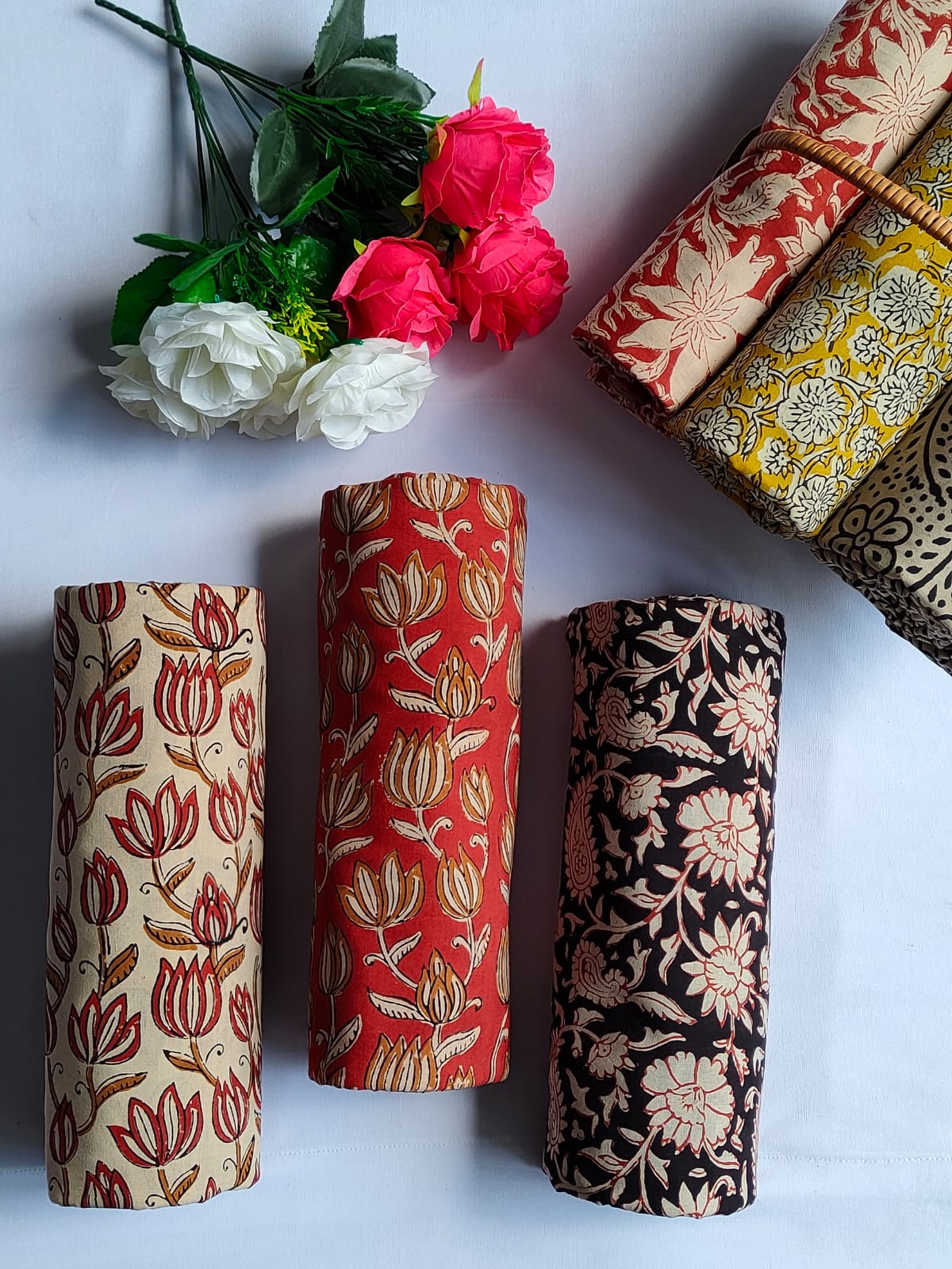


Cotton blend fabrics are widely used in modern clothing because they combine cotton with other fibres to create different textures, levels of stretch, fabric structures, and performance characteristics. From everyday T-shirts and jeans to sweatshirts, trousers, and casual jackets, cotton blends offer clothing brands more options when designing garments for different needs.
If you are looking for clothing brands that use cotton blend fabrics, several well-known names are worth exploring, including H&M, UNIQLO, and Levi's. These brands offer products made with different fibre combinations, although the composition varies by garment, collection, and season. Checking the material label on the specific item is the best way to confirm what a product contains.
Understanding cotton blends is also useful if you are a fashion designer, clothing manufacturer, or small business owner who wants to develop your own collection. Knowing how cotton behaves when combined with polyester, elastane, viscose, or other fibres can help you select a fabric that suits your product.
For readers interested in pure cotton and printed cotton alternatives, Jaipur Bazar offers a range of cotton fabrics for sewing, garment development, and handmade products. You can explore the Jaipur Bazar cotton fabric collection to compare plain, printed, and traditional Indian cotton fabrics.
1. What Is Cotton Blend Fabric?
Cotton blend fabric is made by combining cotton with one or more other fibres. The fibres may be blended during yarn production, or different yarns may be used together in the fabric construction.
Common cotton blends include:
-
Cotton and polyester
-
Cotton and elastane
-
Cotton and viscose
-
Cotton and linen
-
Cotton and nylon
Each combination can produce different characteristics. Cotton contributes its own feel and absorbency, while the additional fibre may influence stretch, crease resistance, strength, drape, or drying behaviour.
The result depends on the percentage of each fibre, yarn construction, fabric weave or knit, finishing, and intended use. A cotton-polyester T-shirt, for example, will not necessarily behave like cotton-polyester trousers because the fabric construction and proportions may be different.
A product described as a cotton blend is not automatically better than a 100% cotton garment. The right choice depends on what you want from the clothing.
If you want to understand the characteristics of pure cotton before comparing it with blends, read the benefits of 100% cotton fabric.
2. Clothing Brands That Use Cotton Blend Fabrics
Several established clothing brands offer garments made from cotton blended with other fibres. The examples below are based on published product composition information. They are examples of specific products, not a claim that every item from these brands uses a cotton blend.
H&M
H&M is worth exploring if you are looking for everyday clothing, casual basics, denim, sweatshirts, and other wardrobe essentials.
The brand uses different material compositions across its collections. For example, an H&M India slim-fit jeans listing specifies a shell composition of 99% cotton and 1% elastane, with a different cotton-polyester composition for the pocket lining. An H&M French terry sweatshirt listing specifies 75% cotton, 22% polyester, and 3% viscose. These examples show why checking each garment's composition matters. H&M product examples and sweatshirt composition.
What to look for: Cotton-blend sweatshirts, stretch denim, casual trousers, and selected everyday basics.
The advantages of a particular garment will depend on its actual composition and construction. A small amount of elastane in denim may provide stretch, while polyester in a sweatshirt can affect how the fabric behaves during wear and care.
If you are shopping at H&M, read the product's material section and care instructions rather than assuming that all jeans, T-shirts, or sweatshirts use the same fibre combination.
UNIQLO
UNIQLO is another brand to consider for casual clothing, everyday essentials, underwear, and functional apparel. Its product range includes both predominantly cotton garments and cotton blends.
For example, a UNIQLO India AIRism Cotton T-shirt listing specifies a body composition of 73% cotton and 27% polyester, with a different composition for the collar. A listed UNIQLO men's brief uses 93% cotton and 7% elastane for the body, while the waistband has its own fibre composition. UNIQLO AIRism Cotton T-shirt and men's briefs.
What to look for: Cotton-blend T-shirts, stretch underwear, selected casual basics, and functional clothing.
UNIQLO's product examples illustrate how blends can be selected for different garment requirements. A cotton-polyester blend used in a T-shirt may serve a different purpose from a cotton-elastane blend used in a close-fitting garment.
If you prefer a high cotton percentage, compare the composition labels of the available styles. A product name that includes the word cotton does not necessarily mean the garment is made entirely from cotton.
Levi's
Levi's is particularly relevant if you are interested in denim, jeans, casual trousers, and other everyday garments.
Although many shoppers associate denim with cotton, some jeans incorporate elastane or other fibres to provide stretch or alter the fabric's behaviour. Levi's US product information for its 501 Original Men's Jeans lists a composition of 94% cotton, 5% polyester, and 1% LYCRA®. A Levi's India tech-pants listing gives a different blend of 65% cotton, 26% polyester, 7% nylon, and 2% elastane. These are examples of specific products, not universal brand compositions. Levi's 501 Original Jeans and Levi's tech pants.
What to look for: Stretch denim, casual trousers, and selected cotton-blend bottoms.
When choosing jeans, think about how much stretch you want, how the garment should fit, and whether you prefer a rigid or more flexible feel. The cotton percentage is one useful factor, but the denim construction and garment design also matter.
Other brands worth checking
Other fashion retailers may also offer cotton-blend garments across their product ranges. Rather than treating an entire brand as a cotton-blend specialist, look for product listings that clearly state the composition.
For example, Gap Inc. reports using cotton and synthetic fibres such as polyester and elastane across its wider product portfolio. This provides broader context about the materials used by the company, but the composition of an individual garment must still be checked separately. Gap Inc. materials information.
When comparing any brand, use these criteria:
-
Exact fibre percentages
-
Intended use of the garment
-
Fabric construction and weight
-
Care instructions
-
Fit and stretch requirements
-
Price and expected frequency of wear
This approach is more reliable than assuming that a brand consistently uses one type of fabric.
3. Common Types of Cotton Blend Fabrics Used in Clothing
Cotton blends are not all the same. Different combinations can be suitable for different garments, so understanding the most common options can help you make a more informed choice.
Cotton-polyester blend
Cotton-polyester is one of the most familiar cotton blends. It combines cotton with polyester, a synthetic fibre.
Depending on the composition and construction, this combination may offer a balance of cotton's characteristics and polyester's dimensional stability or crease resistance. Polyester can also influence drying time and fabric durability, although performance varies by product.
Cotton-polyester blends are commonly used in selected T-shirts, sweatshirts, casual trousers, uniforms, and other everyday clothing.
The percentage matters. A fabric containing 80% cotton and 20% polyester can behave differently from one containing 50% cotton and 50% polyester.
If you are choosing a garment for regular wear, compare the fabric weight, fit, and care requirements as well as the fibre percentages.
Cotton-elastane blend
Elastane is added to some fabrics to provide stretch and help the material recover after being stretched.
Cotton-elastane blends are used in selected jeans, fitted trousers, shirts, underwear, and other garments where flexibility is useful.
For example, a garment containing a high percentage of cotton and a small amount of elastane may feel more flexible than a comparable fabric without elastane. However, the actual result depends on the yarn and fabric construction.
If you prefer rigid denim or a less stretchy garment, look for a product with a composition and construction that suit that preference.
Cotton-viscose blend
Viscose is a regenerated cellulose fibre. When combined with cotton, it can influence the fabric's drape, surface feel, and overall appearance.
Cotton-viscose blends may be used in selected shirts, tops, dresses, and lightweight garments. Their suitability depends on the blend ratio, fabric structure, and finish.
Do not assume that every cotton-viscose fabric is lightweight or fluid. The construction determines how the finished fabric behaves.
Cotton-linen blend
Cotton-linen blends combine cotton with linen, a fibre made from flax. Depending on the proportions and construction, this combination may offer a balance between the feel of cotton and the distinctive texture of linen.
These blends may suit selected shirts, summer trousers, dresses, and relaxed clothing styles.
If you like the appearance of linen but want to compare alternative fabric compositions, a cotton-linen blend may be worth considering. Check the product's weight, surface texture, and care requirements before purchasing.
Cotton-nylon blend
Nylon may be combined with cotton in selected trousers, outerwear, and functional garments. It can affect the fabric's strength, abrasion resistance, and handling characteristics, depending on the construction.
These blends are not interchangeable with ordinary cotton fabrics. If you are selecting one for a particular purpose, check the intended use and the manufacturer's specifications.
4. Why Do Clothing Brands Use Cotton Blend Fabrics?
Clothing brands choose fibre combinations according to the garment's intended function, design, price, and production requirements.
To introduce stretch
Some garments need to move with the wearer. Adding elastane can make certain fabrics stretch more readily, which may be useful for fitted jeans, trousers, and underwear.
However, stretch is influenced by the construction as well as the fibre content. Check the product description if flexibility is important to you.
To influence crease resistance
Polyester can help some fabrics resist creasing compared with similar constructions made entirely from cotton. The final result depends on the blend ratio, fabric construction, and finishing.
This may be useful for garments that need to maintain a relatively neat appearance during daily use. It does not mean every cotton-polyester garment is wrinkle-free.
To change the feel and drape
Different fibres influence the way a fabric hangs and feels. A cotton-viscose blend, for example, may have a different drape from a cotton-polyester blend of similar weight.
Brands can use these differences when designing clothing for particular silhouettes, such as relaxed tops, fitted garments, or structured trousers.
To meet different price points
Fibre selection is one of many factors that influence a garment's cost. Yarn quality, fabric construction, finishing, manufacturing, and production volume also matter.
A blend is not necessarily cheaper or more expensive than pure cotton in every case. Compare the complete product and its specifications rather than judging quality by composition alone.
To develop functional garments
Some clothing is designed around specific performance requirements. Stretch, shape retention, drying behaviour, and resistance to wear may all be relevant depending on the intended use.
The most appropriate blend is the one that meets the garment's requirements while providing the fit, feel, and care characteristics you prefer.
5. Cotton Blend Fabric vs 100% Cotton Fabric: Which Is Better?
There is no universal winner. Both cotton blends and 100% cotton fabrics can be suitable for everyday clothing, but their characteristics differ.
Comfort and feel
Cotton is often chosen for its familiar feel and moisture absorption. A cotton blend can retain many of these characteristics, but the other fibre may change the overall feel.
The garment's fit, fabric weight, knit or weave, and finishing also affect comfort. It is worth checking all of these factors rather than relying only on the cotton percentage.
Stretch and fit
A 100% cotton woven fabric usually does not provide the same elastane-based stretch as a comparable cotton-elastane fabric. Some cotton knits can stretch because of their construction, even without elastane.
If you want fitted jeans or flexible trousers, a cotton blend containing elastane may be appropriate. If you prefer a more rigid fabric, a product with little or no elastane may be a better match.
Care and maintenance
Care requirements vary between fabrics. Some cotton blends may be easier to maintain in particular ways, while other blends require careful washing or low-temperature drying.
Always follow the garment's care label. Do not assume that all blends can be washed at high temperatures or tumble-dried.
Environmental considerations
The environmental impact of a garment depends on more than whether it is made from pure cotton or a blend. Fibre sourcing, production, dyeing, finishing, garment life, washing, and end-of-life treatment all matter.
Blended fabrics can also present recycling challenges when different fibres are difficult to separate. At the same time, some blends use recycled fibres or are designed to meet specific performance needs.
If sustainability is important to you, look for clear information about fibre sourcing, recycled content, manufacturing practices, and garment durability. Avoid treating a single fibre percentage as a complete measure of environmental performance.
For a broader comparison, read cotton fabric vs synthetic fabrics: comfort and durability.
6. How to Choose the Right Cotton Blend for Different Clothing
The best blend depends on the garment and how you plan to wear it.
T-shirts and casual tops
For T-shirts, compare the cotton percentage, fabric weight, surface feel, and fit. Some people prefer predominantly cotton fabrics, while others like blends that offer different drying or crease characteristics.
Look at the product description to understand whether the fabric is jersey knit, interlock, or another construction. Construction can make a substantial difference to how a T-shirt feels and drapes.
Jeans and casual trousers
For jeans, consider whether you want rigid denim or a fabric with stretch. A cotton-elastane blend can provide more flexibility, while a rigid cotton denim may offer a different fit and feel.
For trousers, check the fibre composition, garment structure, and care instructions. Cotton-polyester or cotton-nylon blends may be used in some styles designed for everyday use.
Sweatshirts and hoodies
Sweatshirts often use knitted fabrics such as French terry or fleece. Some are predominantly cotton, while others include polyester or additional fibres.
The inside surface, fabric weight, and construction affect warmth and texture. Check the material label and garment description if you want a particular feel or level of thickness.
Shirts and dresses
For shirts and dresses, drape, opacity, crease behaviour, and structure can be important. Cotton, cotton-viscose, and cotton-linen fabrics may all suit different designs.
Choose according to the pattern and finished silhouette. A fabric that works well for a structured shirt may not be the best choice for a dress that requires fluid movement.
7. What Should You Check Before Buying Cotton Blend Clothing?
Before purchasing a garment, look beyond the brand name and product photograph.
Read the composition label. Confirm the exact percentages of cotton and the other fibres. If a product contains different materials in its body, lining, waistband, or trims, consider those components separately.
Check the fabric construction. A knitted T-shirt, woven shirt, denim jean, and sweatshirt can behave differently even when they use similar fibres.
Review the care instructions. Washing temperature, drying method, ironing requirements, and other instructions may vary by product.
Consider how you will use the garment. Everyday wear, sports, workwear, and occasion clothing can have different requirements.
Compare the fit and product measurements. Fibre composition does not tell you whether a garment will fit well. Review the sizing chart and cut.
Check the current product listing. Brands update collections and compositions over time. A product from a previous season may not have the same specifications as a current version.
These checks help you compare garments based on their actual characteristics rather than marketing terms.
8. What Can Clothing Brands Learn When Sourcing Fabric for Their Own Collections?
If you are developing a clothing brand, studying the fabric choices of established retailers can help you understand how materials are matched to different products.
However, you should not copy a fibre blend without testing it. A composition that works for one brand's sweatshirt may not be appropriate for your T-shirt, dress, or trouser design.
Start with the garment's purpose
Decide what the garment needs to do. Does it need stretch, structure, softness, drape, or a relatively crisp finish? The answers will help you narrow the fabric options.
Compare composition and construction
Fibre percentages alone do not determine fabric performance. Consider yarn type, knit or weave, weight, finishing, and garment construction.
Request fabric specifications and samples from potential suppliers. Test the material in the actual garment design before placing a larger order.
Evaluate production and care requirements
Consider how the fabric will be cut, stitched, washed, and finished during manufacturing. If the garment requires a particular fit or shape, test how the fabric behaves after the recommended care process.
Think about repeatability
If you plan to sell the same garment over several production runs, confirm whether the fabric can be reordered with consistent specifications. Differences in colour, weight, or finish can affect the finished product.
For brands exploring cotton materials without adding synthetic fibres, Jaipur Bazar offers a range of cotton fabric options. Explore plain cotton fabrics, printed cotton fabrics, and cotton cambric fabrics to compare materials for potential designs.
9. Cotton Fabric Options for Designers and Small Clothing Businesses
Cotton blend garments are only one part of the clothing market. Designers may also want to explore pure cotton fabrics for collections built around prints, natural-fibre composition, or particular garment styles.
Jaipur Bazar offers cotton fabric categories that can be useful when researching fabric options for clothing and handmade products.
Plain cotton for versatile designs
Plain cotton can be useful for selected shirts, dresses, linings, simple accessories, and designs that rely on colour or silhouette rather than an all-over print.
Browse the plain cotton fabric collection.
Printed cotton for distinctive collections
Printed cotton can help designers create visually distinctive clothing and accessories. Consider print scale, colour palette, pattern direction, and fabric weight when planning a garment.
Explore printed cotton fabrics.
Cambric for selected lightweight garments
Cotton cambric is generally a lightweight, closely constructed fabric. Depending on its specifications, it may be suitable for certain shirts, tunics, dresses, and other garments.
Explore the cotton cambric collection.
Traditional Indian prints
Hand block, Bagru, and Dabu prints can provide different design directions for clothing labels and independent makers interested in traditional Indian textile styles.
Browse hand block print cotton fabrics, Bagru print cotton fabrics, and Dabu cotton fabrics.
Remember that these collections are cotton fabric options, not a guarantee that every product is suitable for every garment. Check the specifications and test the material before using it in production.
Frequently Asked Questions
1. Which clothing brands use cotton blend fabrics?
H&M, UNIQLO, and Levi's offer examples of garments made with cotton blended with other fibres. Their products vary, so check the composition label for the specific item you are considering.
2. Is cotton blend fabric good for everyday clothing?
Cotton blends can be suitable for everyday clothing when their composition and construction meet the garment's requirements. The right choice depends on comfort, fit, stretch, care, and intended use.
3. Is cotton-polyester better than 100% cotton?
Neither is automatically better. Cotton-polyester can offer different crease-resistance and drying characteristics, while 100% cotton may suit people who prefer a garment made entirely from cotton fibre. Fabric construction and finishing also affect performance.
4. Why do brands add elastane to cotton?
Elastane adds stretch and can help a garment recover after being stretched. It is used in some jeans, fitted trousers, and other garments where flexibility is useful.
5. How can I tell whether clothing is made from a cotton blend?
Read the fibre composition on the garment label or product listing. It should specify the percentages of cotton and other fibres. Check the body fabric separately from linings, waistbands, and other components.
6. Are cotton blend fabrics durable?
Durability depends on fibre quality, blend ratio, yarn, fabric construction, finishing, garment design, and care. A cotton blend is not automatically more durable than pure cotton, so compare the actual product specifications.
7. Do cotton blend clothes require special care?
Care requirements vary by composition and construction. Follow the garment's care label for washing, drying, and ironing rather than applying the same method to every cotton blend.
8. Can I use pure cotton fabric for my own clothing brand?
Yes, pure cotton fabric can be used for many clothing designs, provided its weight, construction, and other characteristics suit the garment. Test a sample and check the fabric specifications before ordering larger quantities.
9. Where can I find cotton fabric for clothing production?
You can explore specialist fabric retailers and suppliers. Jaipur Bazar offers plain cotton, printed cotton, and cotton cambric collections. Check each product's composition, dimensions, availability, and suitability for your intended garment.
10. Are cotton blends suitable for summer clothing?
Some cotton blends can be suitable for summer clothing, but comfort depends on fabric weight, construction, fit, and finishing as well as fibre composition. Choose the fabric according to the garment and the conditions in which it will be worn.
Final Thoughts
If you are looking for clothing brands that use cotton blend fabrics, H&M, UNIQLO, and Levi's are useful starting points. Their product listings show how cotton can be combined with polyester, elastane, and other fibres for different types of clothing.
The most important step is to check the composition of the specific garment. A brand may offer 100% cotton products alongside cotton blends, and even similar garments can use different materials across collections.
For fashion designers and clothing businesses, understanding cotton blends can help when comparing fabrics for stretch, drape, care, and garment construction. Testing samples remains essential because fibre percentages alone do not tell the whole story.
If you prefer to explore cotton fabric for your own sewing or clothing projects, browse Jaipur Bazar's complete cotton fabric collection. Comparing plain, printed, cambric, and traditional Indian cotton fabrics can help you identify materials that suit your design and production requirements.