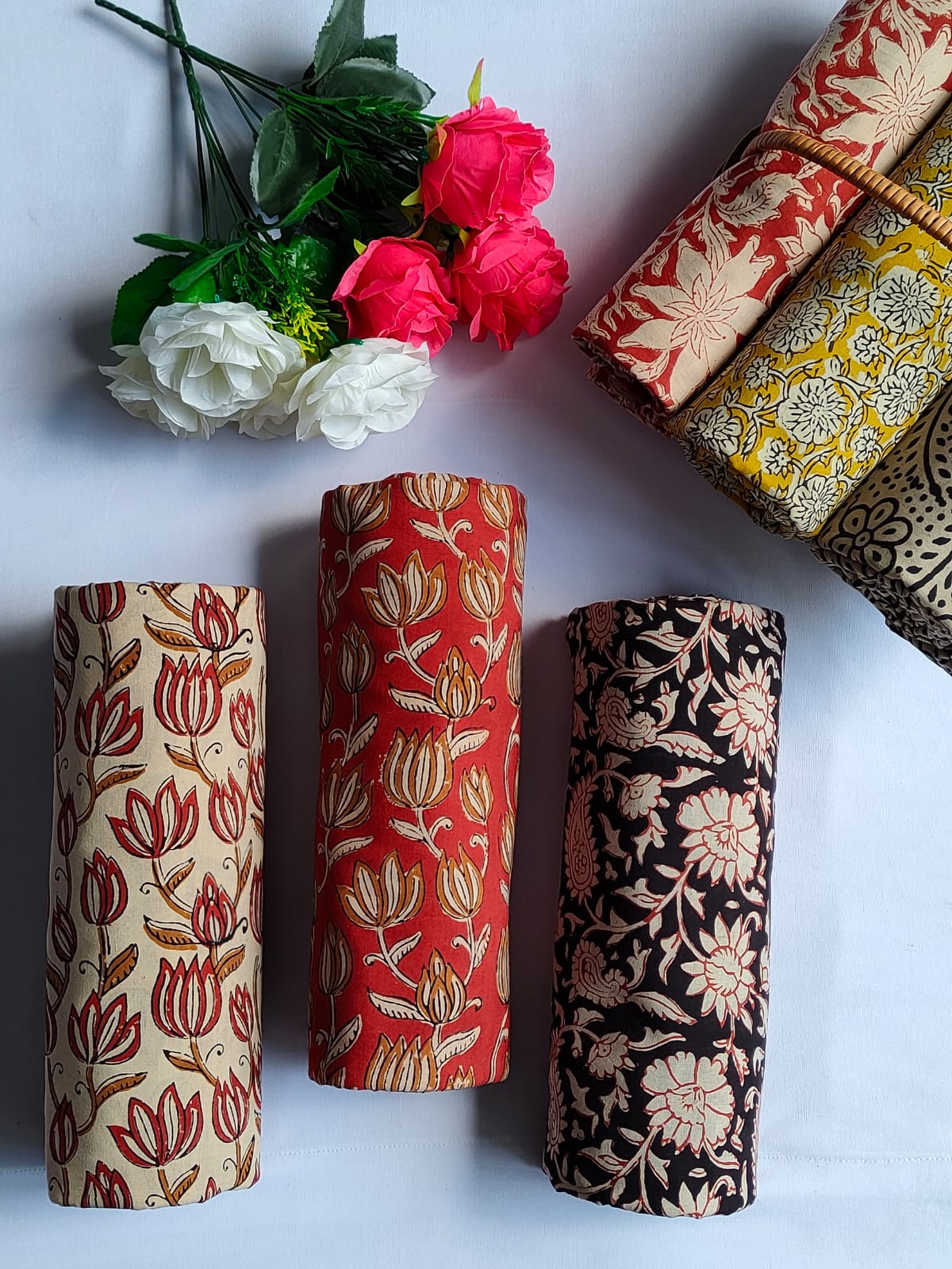


Block printed cotton has a special place in the world of textiles. It brings together the comfort of cotton, the character of printed patterns, and a design tradition that continues to inspire modern fashion and home décor. From everyday kurtas and summer dresses to cushion covers, tote bags, and handmade accessories, this fabric offers plenty of creative possibilities.
For fashion designers, sewing enthusiasts, boutique owners, and people who enjoy making things themselves, block printed cotton can be a practical and visually appealing choice. Its patterns range from small floral motifs and delicate vines to geometric designs, bold botanical prints, and traditional Indian patterns. This variety makes it possible to find fabrics suited to different styles, occasions, and projects.
However, choosing the right fabric involves more than finding a beautiful print. The base cotton, fabric weight, print placement, colorfastness, and care requirements all affect how well the material performs. Knowing what to look for can help you make a better purchase and get more value from your fabric.
In this guide, we will explore the most useful applications of block printed cotton, explain how to care for it, and share practical tips for shopping online. Whether you are buying fabric for a personal sewing project or planning a new clothing collection, these suggestions will help you make a more informed choice.
1. What Is Block Printed Cotton?
Block printed cotton is cotton fabric decorated with patterns applied using printing blocks. In traditional handblock printing, artisans use carved wooden blocks to transfer designs onto fabric with printing paste or dye.
The process often involves repeating the block impression across the fabric. More detailed designs may require separate blocks for different colors or parts of a motif. Careful placement helps create the repeating pattern, while the choice of fabric and printing materials influences the final appearance.
Block printing is associated with several Indian textile traditions, including those found in Rajasthan. Bagru and Sanganer are particularly well-known for their block-printing heritage, although their designs, techniques, and production practices are not identical.
Not every fabric described as block print is necessarily hand-printed. Machine-produced fabrics can also feature block-print-inspired patterns. If the printing method is important to your purchase, check the product description or ask the seller for clarification.
What makes it visually distinctive?
Block printed cotton can feature:
-
Floral motifs, including flowers, leaves, and vines.
-
Geometric shapes and repeating patterns.
-
Traditional Indian-inspired designs.
-
Botanical patterns in earthy or muted colors.
-
Indigo-inspired prints and contrasting motifs.
-
Contemporary designs created for modern clothing and accessories.
The visual effect depends on the motif, color combination, print scale, base fabric, and printing process.
Some hand-printed textiles may show small variations in motif placement or color. These variations can occur during manual production, but they are not conclusive proof of authenticity on their own.
If you want to explore different patterns before starting a project, browse the hand block print cotton fabrics collection at Jaipur Bazar.
2. Why Is Block Printed Cotton Popular?
Block printed cotton is popular because it combines decorative appeal with the versatility of a widely used textile fibre.
Cotton is available in many constructions, weights, and finishes. Depending on the particular fabric, it can offer a soft feel, useful structure, or a comfortable drape. Printing adds another layer of design possibilities, allowing a single category of fabric to serve different purposes.
A wide variety of designs
One of the biggest advantages of block printed cotton is the range of patterns available. You can choose small motifs for understated clothing, bold designs for statement pieces, or traditional patterns for products inspired by Indian textile styles.
This variety makes the fabric useful for people with different preferences. A person sewing everyday clothing may prefer subtle prints, while a designer developing a statement collection might choose larger motifs and stronger contrasts.
Suitable for different projects
Block printed cotton is used in garments, accessories, and selected home textile products. The same general print style can be adapted to several applications, provided the fabric's weight and construction suit the finished item.
Easy to incorporate into a collection
For designers and small clothing labels, printed cotton can help establish a recognizable visual direction. Related colors and motifs can be used across dresses, shirts, trousers, bags, and accessories.
The key is to select fabrics that work together without making every product look identical.
A connection to textile craftsmanship
Traditional block printing offers a way to explore regional design traditions and the skills involved in producing patterned textiles. Designers can take inspiration from these practices while creating contemporary products.
If you are interested in traditional Indian prints, explore Bagru print cotton fabrics and compare their patterns with other printed cotton styles.
3. Best Uses of Block Printed Cotton in Clothing
Clothing is one of the most common applications for block printed cotton. The right print can become the main feature of a garment or provide a smaller decorative detail.
The fabric should always be selected according to the garment's requirements. A lightweight cotton that works well for a relaxed summer top may not provide enough structure for a tailored jacket or a bag that needs to hold its shape.
Kurtas and tunics
Block printed cotton works well for many kurta and tunic designs when the base cloth offers suitable comfort, drape, and opacity.
Small floral prints can create a subtle everyday look, while larger patterns can give a garment a more expressive appearance. Simple silhouettes often work particularly well because they allow the print to remain the main visual feature.
For a coordinated outfit, you can pair a printed kurta with plain cotton trousers or choose a complementary fabric for the sleeves and neckline.
Summer dresses
Printed cotton is a popular option for casual dresses, shirt dresses, and relaxed silhouettes. The right fabric can provide a comfortable feel while giving the garment a distinctive pattern.
Before selecting a fabric, consider how it falls around the body, whether it needs lining, and how the print will look across the finished dress.
A small repeating pattern may create a balanced appearance across the entire garment. A larger print may require more attention to cutting and motif placement.
Shirts and tops
Block printed cotton can be used for women's blouses, casual shirts, men's shirts, and contemporary oversized styles.
Smaller prints can be easier to coordinate with everyday clothing, while larger designs can create a statement piece. If the fabric has a directional pattern, check how the motif will appear on the front, back, collar, and sleeves.
Skirts and trousers
Printed cotton can be suitable for skirts and relaxed trousers when the fabric's weight and drape match the intended design.
A printed skirt paired with a plain top can create a balanced outfit. For trousers, check the fabric's opacity, comfort, and ability to maintain the desired shape.
Children's clothing
Depending on its construction and finishing, block printed cotton can be used for children's dresses, shirts, shorts, and other everyday garments.
Softness, comfort, seam placement, washing requirements, and the suitability of any finishes are important considerations. Always check the fabric itself rather than assuming every printed cotton has the same properties.
Co-ord sets and contemporary fashion
Designers can use related prints to create matching shirts and trousers, tops and skirts, or other coordinated sets.
Another option is to combine printed and plain cotton. For example, a printed shirt can be paired with plain trousers, or a plain dress can feature printed cuffs and pockets.
For more options, browse printed cotton fabrics at Jaipur Bazar.
4. Creative Uses Beyond Clothing
Block printed cotton is not limited to garments. Its patterns can add character to everyday accessories and decorative items around the home.
Before using the fabric for a particular project, check its strength, thickness, colorfastness, and suitability for the amount of handling or washing the finished product will receive.
Tote bags and shopping bags
A tote bag is a practical project for printed cotton. The pattern gives the bag visual interest, while the construction can be kept relatively simple.
For bags that need to carry heavier items, choose a suitable base fabric and consider adding a lining or interfacing. A lightweight cotton may need additional structure to prevent the bag from sagging.
You can also combine printed cotton with plain fabric to create contrasting handles, pockets, or panels.
Cushion covers
Block printed cotton can be used for decorative cushion covers when the fabric is suitable for the intended level of use.
Floral patterns can complement relaxed interiors, while geometric motifs may suit more contemporary spaces. A set of cushions can use different prints from a shared color palette to create variety without making the room feel visually crowded.
For frequently used cushions, consider abrasion, washing, color retention, and the strength of the seams.
Table runners and placemats
Printed cotton can be used for table runners, placemats, and selected table linen products.
A coordinated set can be created using one main print and a plain fabric in a complementary color. Before using the fabric for table products, consider how easily it can be cleaned and whether the colors are likely to remain stable under the intended washing conditions.
Pouches and organizers
Small pouches are useful for storing cosmetics, stationery, sewing supplies, chargers, and other everyday items.
Block printed cotton works well for these projects when the fabric is suitable for the product's structure. You can add a lining, zipper, or internal pocket depending on the design.
Smaller projects are also a way to use suitable leftover pieces from larger sewing projects.
Scrunchies and fabric accessories
Hair scrunchies, headbands, fabric belts, and other accessories can be made from smaller lengths of printed cotton.
Small floral or repeating patterns often work well for accessories because the print remains visible even on a compact surface.
Patchwork and handmade gifts
Different block printed cotton fabrics can be combined in patchwork projects, notebook covers, gift bags, and other handmade items.
When combining several prints, look for a shared color or motif style. Too many competing patterns can make the finished item look busy, while a few coordinated fabrics can create a more balanced result.
5. How to Choose the Right Block Printed Cotton
A beautiful pattern is only one part of a good fabric choice. The base cloth needs to suit the intended project, and the printing should meet your expectations.
Use the following factors to compare options before buying.
Fabric weight
Fabric weight affects how the material falls, feels, and performs.
A lighter cotton may work for loose tops, dresses, and certain accessories. A more substantial cotton may be better for structured garments, cushion covers, or bags that need greater body.
Do not assume that all printed cotton has the same thickness. Check the product specifications and, where possible, inspect a sample.
Weave and construction
The weave and construction influence a fabric's feel, drape, and strength. Two cotton fabrics with similar prints can behave differently when sewn.
Consider whether the fabric is tightly woven or more open, whether it feels firm or soft, and whether it offers the structure required for your project.
Print scale
Small motifs can create a more understated look, while large motifs often make a stronger visual statement.
Think about the size of the finished product. A print that looks attractive on a large fabric image may appear different on a narrow sleeve, small pouch, or fitted garment.
Color and contrast
Look at the main colors and the contrast between the print and the background. Consider how the fabric will coordinate with other materials, accessories, and products in your collection.
If you are buying online, remember that screen settings and lighting can affect how colors appear. A sample is the most reliable way to evaluate the fabric's actual shade.
Printing method
If you specifically want handblock-printed fabric, verify the printing method with the seller. Printed patterns inspired by traditional block designs are not necessarily produced using carved blocks.
Similarly, do not assume that a particular printing technique means the fabric uses natural dyes. Ask for specific information when these details matter to your purchase.
Colorfastness and shrinkage
Ask whether the fabric has been tested for colorfastness and shrinkage, especially if you are buying for garment production or a project that will require frequent washing.
If you can obtain a sample, test it under the washing conditions you intend to recommend.
6. How to Wash Block Printed Cotton
Proper care helps maintain the appearance and usability of printed cotton. However, the best washing method depends on the base fabric, dyes, printing materials, and finishing.
There is no single care method that is guaranteed to suit every block printed textile. Always follow the supplier's instructions when available.
Step 1: Check the care instructions
Before washing a new fabric or garment, read the care label or product guidance.
If you are working with unstitched fabric, ask the seller whether it needs prewashing before cutting. This can be especially important when garment measurements and fit need to remain consistent.
Step 2: Test a small piece
If the care instructions are unclear, test a small piece of fabric first when possible.
Check for color transfer, changes in texture, shrinkage, or other changes after washing and drying. This is especially useful for fabrics with strong or contrasting colors.
Step 3: Use an appropriate washing method
For fabrics whose care guidance permits it, a gentle wash with a suitable detergent may help reduce unnecessary stress on the print and fibres.
Avoid assuming that every printed cotton should be machine-washed or hand-washed. Follow the specific instructions for the material you have purchased.
Step 4: Separate colors when necessary
For a new printed textile, washing it separately for the first time may help prevent potential color transfer to other garments.
This is particularly sensible when the fabric contains deep shades or contrasting colors and its colorfastness is not yet known.
Step 5: Avoid unnecessary friction
Excessive rubbing, harsh detergents, and unsuitable washing conditions can affect the surface and color of some printed fabrics.
Use a method appropriate to the fabric and avoid aggressive treatment unless the care instructions specifically support it.
7. Drying and Ironing Block Printed Cotton
Washing is only one part of fabric care. How you dry and iron printed cotton can also affect its appearance.
Drying the fabric
Follow the supplier's care instructions regarding drying temperature and exposure to sunlight.
Where suitable, gentle air-drying can reduce the heat and mechanical stress associated with some drying methods. Avoid leaving a fabric in conditions that may cause uneven fading or other damage.
Ironing printed cotton
Use an iron temperature appropriate to the cotton fabric and its finish. If the recommended temperature is uncertain, start with a lower setting and test an inconspicuous area.
Ironing on the reverse side may help protect some printed surfaces from direct heat, but this is not a universal requirement. Check the care instructions for the particular fabric.
Storing unused fabric
Store unused fabric in a clean, dry place away from prolonged direct sunlight.
For longer-term storage, make sure the material is completely dry before folding it away. This helps prevent moisture-related problems and keeps the fabric ready for future projects.
Caring for finished garments
Turn garments inside out before washing when the care instructions permit it. This may reduce friction on the visible surface.
Avoid unnecessary high-temperature washing and drying. Following the correct care method can help preserve the garment's shape and appearance over time.
8. Common Mistakes to Avoid When Caring for Block Printed Cotton
Even good-quality fabric can be damaged by unsuitable care. A few simple precautions can reduce the risk of problems.
Using hot water without checking the instructions: Temperature can affect shrinkage and color stability. Follow the fabric's recommended washing conditions.
Mixing new prints with light-colored garments: If colorfastness is unknown, wash the new fabric separately until you understand how it behaves.
Using harsh cleaning products: Strong chemicals or unsuitable detergents may affect the print or finish.
Skipping prewashing before sewing: Some cotton fabrics shrink during their first wash. If the finished garment needs precise measurements, test and prepare the fabric before cutting.
Ignoring ironing guidance: Excessive heat may damage certain finishes or printed surfaces.
Assuming every cotton fabric is equally durable: Durability depends on construction, fibre and yarn quality, finishing, and use. Care instructions should reflect the actual textile.
Treating small print variations as proof of authenticity: Variation can occur in hand-produced textiles, but it is not sufficient on its own to confirm how a fabric was made.
By avoiding these mistakes, you can make more informed care decisions and reduce unnecessary wear.
9. Where to Shop for Block Printed Cotton Online
Shopping online gives you the opportunity to compare patterns and fabric categories without visiting several physical stores. However, photographs alone do not always reveal the fabric's actual texture, thickness, or color.
A good online shopping process starts with a clear understanding of your project and a careful review of the product details.
Shop by fabric type
Start with the type of cotton fabric that suits your project.
If you want patterned cotton, explore the printed and handblock-print collections. If you need a coordinating fabric for contrast panels or simpler garments, plain cotton may be a useful alternative.
You can begin with these Jaipur Bazar collections:
Read the product description carefully
Before ordering, look for information about the fabric composition, width, price unit, available quantity, printing method, and care requirements.
If a detail is not listed and it affects your project, contact the seller rather than making assumptions.
For example, if you need fabric for a fitted dress, the material's width and shrinkage behaviour can affect how much you need to purchase.
Check the dimensions and quantity
Fabric may be sold by the metre, yard, piece, or another specified unit. Confirm the selling unit and fabric width before calculating the total quantity.
If you are ordering for a garment, include allowances for cutting waste, hems, seams, and pattern matching.
For larger projects, calculate the total requirement before placing the order. It can be difficult to reproduce an exact print or color later if the original fabric is no longer available.
Compare the print with your project
Do not choose fabric based only on its appearance in the product photograph.
Consider whether the motif scale will work for your design, whether the colors match your planned collection, and whether the fabric's construction suits the finished product.
If a physical sample is available, it can help you assess the fabric before committing to a larger quantity.
Review shipping and return information
Check the seller's current shipping, return, and exchange policies before placing an order.
For time-sensitive projects, confirm the expected dispatch and delivery schedule. For commercial production, check available quantities and whether repeat orders can be supported.
These steps can help you avoid delays and make online fabric shopping more predictable.
10. How Much Block Printed Cotton Should You Buy?
The amount of fabric you need depends on the project, garment size, fabric width, pattern layout, and cutting method.
A small pouch may require only a modest piece of fabric, while a dress or coordinated outfit may require several metres. Bags, cushion covers, and table linen also have different requirements depending on their dimensions and construction.
For garments, use the pattern's fabric-consumption guide whenever possible. Add extra material if you need to match motifs across seams or place large motifs carefully.
For home décor, measure the finished product and account for seams, hems, closures, lining, and any pattern repeats.
If you are unsure, calculate the requirement before purchasing and ask the seller to clarify the fabric width and selling unit.
For clothing brands and designers, it is also wise to account for sampling and potential cutting waste. Ordering only the estimated amount needed for the final garment may leave too little fabric for adjustments or replacement pieces.
11. Buying Block Printed Cotton for a Clothing Brand or Boutique
Buying fabric for a business involves a few additional considerations. You need to think about product quality, production requirements, consistency, and the likelihood of obtaining enough fabric for the full collection.
Start with samples and prototypes
Before ordering a large quantity, make a sample garment or product using the chosen fabric.
This helps you evaluate the print placement, sewing performance, fit, and finished appearance. It also gives you a better estimate of how much fabric each product will consume.
Confirm available stock
Ask whether the required quantity is available and whether additional fabric can be supplied if your product sells well.
If you plan to offer multiple sizes, colors, or related products, check that your purchasing plan accounts for all of them.
Calculate the full production cost
The fabric price is only one part of the final cost. Include cutting, stitching, lining, trims, finishing, packaging, and any expected wastage.
A fabric that costs less per metre is not necessarily the most economical choice if it requires more material, additional preparation, or complicated pattern matching.
Plan for consistency
If you intend to reorder the same fabric, ask about repeat availability and possible variations between batches.
This is particularly important when a print or color is central to your brand identity. Keep product information and sample references so you can compare later purchases.
Match the fabric to the customer
Consider how the finished product will be used and cared for. A fabric suited to a decorative garment may not be the best choice for a product intended for frequent washing.
A clear understanding of your customer's needs can help you select fabric that works for both the design and the intended price point.
12. Is Block Printed Cotton Suitable for Sustainable Projects?
Block printed cotton can be considered as part of a more thoughtful design process, but sustainability depends on how the material is produced, used, and cared for.
Cotton is a natural fibre, but that alone does not establish the environmental impact of a fabric. Agricultural practices, water and energy use, dyeing, printing materials, finishing, transportation, product lifespan, and waste all contribute to the wider picture.
Likewise, handblock printing does not automatically mean that natural dyes or environmentally preferable processes were used.
Designers and consumers who care about these issues can ask suppliers for information about fibre sourcing, dyeing methods, production practices, and any relevant certifications.
Make better use of fabric
Planning cutting layouts carefully can help reduce waste. Suitable offcuts may also be used for accessories, patchwork, or smaller products.
This approach depends on the size and condition of the leftover pieces, as well as the needs of the new project.
Choose products you will use
For personal sewing projects, choose fabric that suits your intended use and is likely to remain useful over time.
For brands, thoughtful construction, clear care guidance, and designs customers can wear or use repeatedly may help extend a product's life.
Responsible purchasing begins with accurate information and practical decisions rather than broad claims about a fabric category.
13. Frequently Asked Questions About Block Printed Cotton
What is block printed cotton used for?
Block printed cotton is used for kurtas, dresses, shirts, tunics, skirts, coordinated outfits, tote bags, pouches, cushion covers, table linen, and selected home textile products. The appropriate application depends on the fabric's weight, construction, and care requirements.
Is block printed cotton suitable for everyday wear?
It can be suitable for everyday clothing when the base cotton, print, and finishing meet the needs of the garment. Check the fabric's comfort, opacity, durability, and washing instructions before choosing it for regular use.
How do I wash block printed cotton without damaging it?
Follow the supplier's care instructions. If the method is unclear, test a small piece first to check for color transfer, shrinkage, and changes in texture. Washing conditions should suit the particular fabric and printing process.
Does block printed cotton shrink?
Some cotton fabrics shrink during washing, but the amount varies with the fabric's construction and finishing. Test a sample or follow the supplier's guidance, especially before cutting fabric for fitted garments.
Is handblock-printed cotton always made with natural dyes?
No. Printing and dyeing materials vary. Confirm the specific process with the supplier if natural dyes are important to your purchase.
How can I tell if block printed cotton is good quality?
Check the base fabric's construction, weight, feel, print appearance, and finishing. Ask about colorfastness, shrinkage, and care requirements. If possible, inspect a physical sample and test it before purchasing a larger quantity.
Can block printed cotton be used for bags?
Yes, if the fabric has suitable strength and structure for the intended bag. Lightweight cotton may require lining, interfacing, or reinforcement, particularly when the bag will carry heavier items.
Where can I buy block printed cotton online?
You can explore Jaipur Bazar's hand block print cotton collection and compare it with the printed cotton, Bagru print, Dabu, and plain cotton collections. Review the product details and current shopping policies before ordering.
How much fabric should I buy for a sewing project?
The quantity depends on the product dimensions, garment size, fabric width, pattern layout, and cutting waste. Use a sewing pattern or project measurements to calculate the requirement, allowing extra fabric for pattern matching when necessary.
Can I combine block printed cotton with plain cotton?
Yes. Plain cotton can balance a printed fabric and is useful for trousers, contrasting panels, collars, cuffs, pockets, and coordinated accessories. Choose fabrics with compatible weights and care requirements.
Conclusion
Block printed cotton offers a useful combination of pattern, versatility, and creative potential. It can be used for everyday clothing, contemporary fashion, accessories, and selected home décor projects. With the right print and base cloth, it can support both simple sewing projects and more developed clothing collections.
Getting the best results depends on choosing fabric for its intended purpose. Consider the weight, weave, print scale, color, and printing method before buying. Follow the appropriate care instructions, test unfamiliar fabrics when possible, and check shrinkage and colorfastness before beginning a project.
When shopping online, read product descriptions carefully, confirm the selling unit and available quantity, and review the seller's current shipping and return policies. If you are purchasing for a business, samples and prototype products can help you make more reliable decisions.
Ready to explore different patterns? Browse the Jaipur Bazar hand block print cotton collection, compare the available styles, and choose a fabric that fits your next creative project.