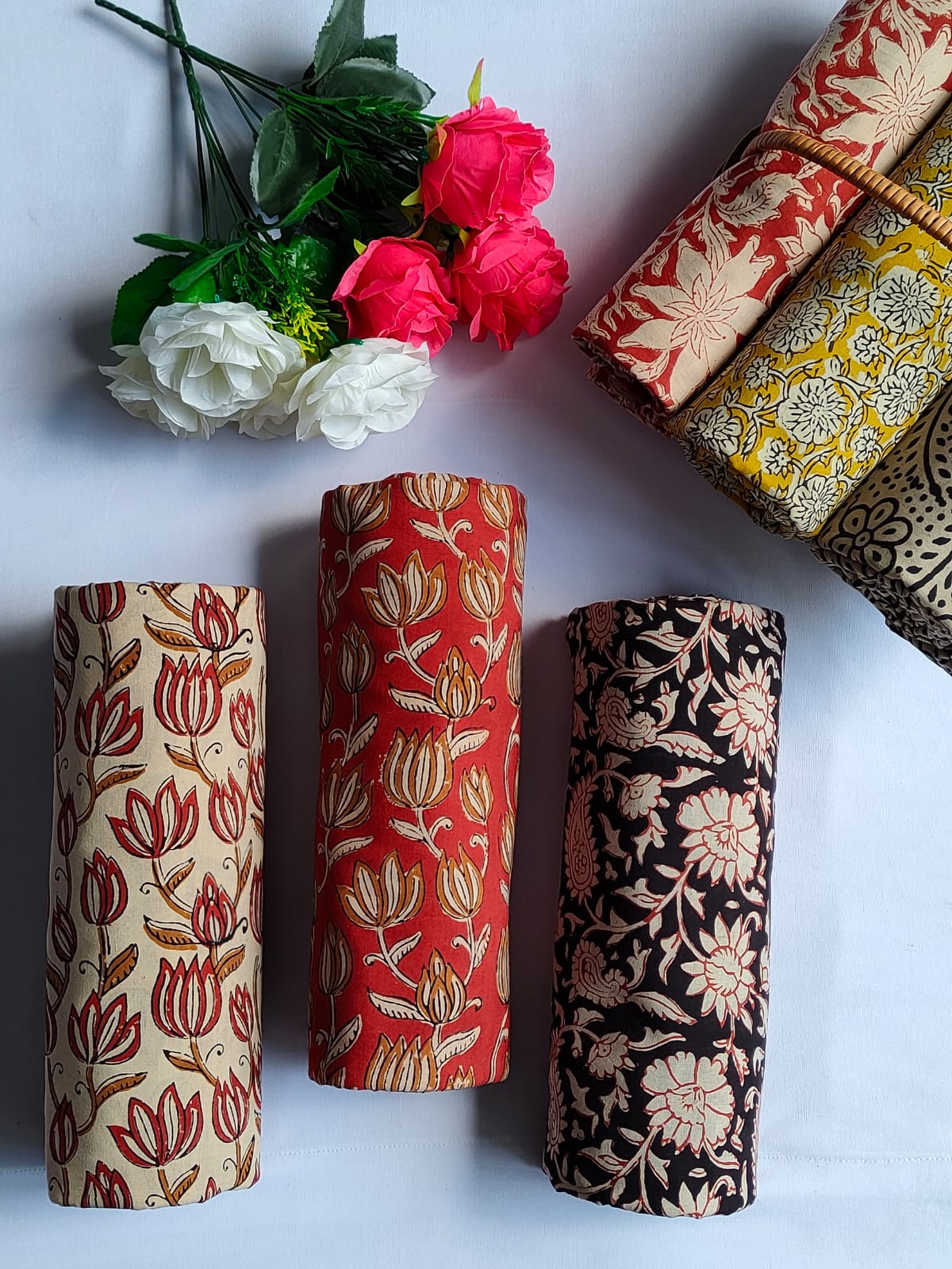


Choosing the right fabric is one of the most important parts of creating comfortable clothing. While colour, print, and design often catch our attention first, the feel of a fabric against the skin can make a big difference in how often we wear a garment. This is one reason soft cotton fabric remains a popular choice for everyday clothing, summer outfits, children's wear, and comfortable casual fashion.
Soft cotton fabric is valued for its gentle feel, breathability, moisture absorption, and versatility. It can be used to make everything from relaxed shirts and dresses to kurtas, nightwear, baby clothing, and lightweight trousers. Depending on its weave, weight, and finish, cotton can also provide the structure needed for more tailored garments.
For people who enjoy sewing their own clothes, fashion designers, and clothing businesses, understanding the benefits of soft cotton fabric makes it easier to select the right material for each project.
In this guide, we will explore the main benefits of soft cotton fabric, the types of cotton materials worth considering, and how to choose the right fabric for different clothing needs.
1. Soft Cotton Fabric Feels Comfortable Against the Skin
One of the biggest advantages of soft cotton fabric is its comfortable feel. Clothing stays in contact with the skin for much of the day, so the texture of the material can influence how comfortable an outfit feels.
Soft cotton fabrics are often preferred for garments that are worn for long periods. Depending on the fabric construction and finishing, they can feel smooth, gentle, or lightweight against the body.
This makes them useful for:
-
Everyday shirts and tops
-
Cotton dresses
-
Kurtas and tunics
-
Nightwear and loungewear
-
Children's clothing
-
Lightweight trousers
-
Casual summer outfits
For example, a soft cotton shirt can be a practical choice for daily wear, while a lightweight cotton kurta can work well for a relaxed day at home or an outing.
However, softness varies between cotton fabrics. Yarn quality, weave, fabric finishing, and washing can all affect the final feel. It is worth checking the actual texture rather than assuming every cotton fabric will feel the same.
Explore plain cotton fabrics at Jaipur Bazar for versatile materials that can be considered for everyday clothing and custom garment projects.
2. Cotton Is a Breathable Fabric for Everyday Clothing
Breathability is another important reason people choose cotton for clothing. Fabric construction affects how air moves through a garment, and cotton materials with suitable weaves can feel comfortable in warm conditions.
Soft cotton clothing is especially useful when you want a relaxed fit and a fabric that does not feel overly heavy.
Some clothing styles that can benefit from breathable cotton include:
-
Loose summer dresses
-
Short-sleeved shirts
-
Cotton kurtas
-
Relaxed co-ord sets
-
Casual tops
-
Lightweight nightwear
For warm-weather outfits, a loose cotton shirt paired with comfortable trousers can be an easy everyday combination. A lightweight cotton dress can also be practical for shopping, travel, and casual gatherings.
It is important to remember that breathability depends on more than fibre content. A thick, tightly woven cotton fabric may feel warmer than a lightweight cotton material with a more open construction. Garment fit and the number of layers worn also matter.
When choosing cotton for summer clothing, consider the fabric's weight, weave, and overall feel, not just the label.
3. Soft Cotton Helps Absorb Moisture
Cotton is known for absorbing moisture, which is one reason it is widely used in everyday clothing. It can absorb perspiration from the skin, although how quickly a garment feels dry depends on the fabric's thickness, construction, and surrounding conditions.
This property can make suitable cotton fabrics useful for warm-weather clothing and garments designed for regular wear.
Soft cotton is commonly used for:
-
Everyday T-shirts
-
Casual shirts
-
Summer kurtas
-
Cotton dresses
-
Nightwear
-
Comfortable home clothing
For example, a lightweight cotton top can be a good option for everyday activities in warm weather. A soft cotton nightdress may also feel comfortable for relaxing at home.
One consideration is that cotton can retain moisture and may take longer to dry than some synthetic fabrics. For activities involving heavy perspiration, the best choice depends on the level of activity, climate, and drying requirements.
For ordinary daily clothing, however, the moisture-absorbing qualities of suitable cotton fabrics make them a useful wardrobe option.
4. Soft Cotton Fabric Is Suitable for Summer Wear
Summer clothing should feel comfortable while allowing enough movement and airflow. Soft cotton fabrics are popular for warm-weather wardrobes because many lightweight cotton materials feel pleasant against the skin.
The best option depends on the type of garment you want to create.
Cotton Dresses
Soft cotton can be suitable for A-line dresses, shirt dresses, midi dresses, and relaxed maxi dresses. The fabric's weight and drape help determine how the finished dress will fall.
Cotton Shirts
Lightweight cotton fabrics can work well for short-sleeved shirts, oversized shirts, and casual blouses. A firmer cotton may be preferable when a more structured appearance is desired.
Cotton Kurtas
Cotton kurtas are popular for everyday wear. They can be styled with straight trousers, palazzos, leggings, or jeans, depending on the design.
Cotton Co-Ord Sets
Matching cotton tops and trousers offer an easy outfit option. Printed co-ords add colour, while plain sets create a more minimal appearance.
If you are planning summer garments, explore cotton cambric fabrics and printed cotton fabrics for different styles and design possibilities.
5. Soft Cotton Is Versatile for Different Clothing Styles
Soft cotton is not limited to one type of garment or fashion style. It can be used for traditional clothing, contemporary western outfits, casual wear, and simple everyday essentials.
This versatility makes cotton useful for both individual sewing projects and clothing collections.
Some popular applications include:
| Clothing type | Suitable cotton garment ideas |
|---|---|
| Everyday wear | Shirts, tops, kurtas, and trousers |
| Summer fashion | Dresses, skirts, and relaxed co-ords |
| Ethnic clothing | Kurtas, tunics, and printed sets |
| Casual fashion | T-shirts, blouses, and oversized shirts |
| Nightwear | Pyjama sets, nightdresses, and lounge pants |
| Children's wear | Dresses, shirts, shorts, and comfortable sets |
| Accessories | Scarves, fabric bags, and simple textile products |
The key is choosing the right cotton construction for the intended garment. A soft, lightweight material may be ideal for a loose top but may not provide enough structure for a sharply tailored jacket.
For a versatile selection of materials, browse the Jaipur Bazar cotton fabric collection.
6. Soft Cotton Fabric Works Well for Sensitive Skin Preferences
Many people prefer soft cotton clothing because they find it comfortable against their skin. Smooth, lightweight cotton can be a good option for garments worn close to the body, particularly when the fabric has a suitable finish and does not contain irritating decorative elements.
This is one reason cotton is commonly used for everyday tops, nightwear, children's garments, and other clothing designed for extended wear.
When selecting cotton for a person who prefers gentle fabrics, consider:
-
The smoothness of the fabric surface
-
Whether the fabric has a rough or stiff finish
-
The presence of embroidery, sequins, or raised embellishments
-
The garment's seams, labels, and stitching
-
The care products used during washing
Cotton is not guaranteed to prevent skin irritation or allergic reactions. Dyes, finishing agents, detergents, and friction can affect individual comfort, regardless of fibre type.
For a simple garment with fewer decorative elements, a soft, well-finished cotton fabric may be a sensible starting point.
7. Soft Cotton Comes in Different Textures and Finishes
Not every cotton fabric has the same texture. Some materials feel smooth and crisp, while others are light, airy, textured, or slightly firm.
Understanding these differences helps you choose the right material for your design.
Plain Cotton Fabric
Plain cotton is useful for everyday clothing, basic tops, shirts, trousers, and creative sewing projects. It is available in different weights and finishes.
Explore plain cotton fabrics for simple, versatile fabric options.
Cotton Cambric
Cotton cambric is generally known for its relatively fine, closely woven construction. Depending on its weight and finish, it can be used for shirts, dresses, kurtas, and other garments.
Browse cotton cambric fabrics for clothing projects that call for a fine cotton material.
Mulmul Cotton
Mulmul cotton is valued for its lightweight feel and soft drape. It can be suitable for loose tops, relaxed kurtas, lightweight dresses, and other garments where an airy appearance is desired.
Explore mulmul cotton fabrics for lightweight clothing ideas.
Printed Cotton
Printed cotton combines the practical qualities of cotton with decorative patterns. It can be used for shirts, dresses, skirts, kurtas, and coordinated outfits.
Discover printed cotton fabrics for different colours and patterns.
The best fabric depends on the garment's intended shape, the desired level of softness, and how the material will be used.
8. Soft Cotton Is Easy to Style for Everyday Fashion
A useful fabric should not only feel comfortable but also work well with the rest of your wardrobe. Soft cotton clothing is easy to incorporate into different outfits because it is available in solid colours, subtle patterns, and bold prints.
Here are a few simple styling ideas.
A Soft Cotton Shirt with Jeans
A cotton shirt paired with jeans is a classic casual combination. Choose a plain shirt for a clean look or a printed design for more visual interest.
A Cotton Kurta with Straight Trousers
A soft cotton kurta with straight trousers offers a comfortable everyday outfit. Printed kurtas can be paired with plain bottoms to keep the overall look balanced.
A Printed Cotton Dress with Sandals
A printed cotton dress can be styled with flat sandals and a simple handbag for an easy daytime outfit.
A Cotton Co-Ord Set
A matching cotton top and trouser set creates a coordinated look without requiring much styling. Neutral colours offer a minimal appearance, while prints create a bolder outfit.
A Lightweight Cotton Top with a Skirt
A plain cotton top can be paired with a printed skirt, or the combination can be reversed. This makes it easy to create different outfits from a few wardrobe pieces.
Cotton's range of colours and prints allows you to adapt the same basic garment styles to different personal preferences.
9. Soft Cotton Can Be a Good Choice for Children's Clothing
Children's clothing needs to allow movement and feel comfortable during play, school, outings, and rest. Soft cotton fabrics are often selected for these purposes because they are available in a wide range of weights, textures, and prints.
Suitable cotton materials can be used to make:
-
Children's shirts
-
Cotton dresses
-
Shorts and trousers
-
Nightwear
-
Lightweight tops
-
Everyday ethnic outfits
When selecting fabric for children's garments, consider the child's comfort, the climate, and how often the clothing will be washed.
A fabric that is too heavy or stiff may not suit a loose summer outfit. Similarly, very lightweight fabric may need lining or additional construction for certain designs.
Pay attention to small details such as buttons, decorative elements, seams, and labels. These can influence comfort and the suitability of a garment for a particular age group.
Cotton fabric should also be washed according to its care instructions to help maintain its texture and appearance.
10. Soft Cotton Is Useful for Nightwear and Loungewear
Comfort becomes especially important in clothing worn at home or while sleeping. Soft cotton fabrics are widely used for pyjamas, nightdresses, lounge pants, and relaxed tops.
A comfortable nightwear garment should have a suitable fit, soft seams, and a fabric weight that works for the room temperature and season.
Popular cotton nightwear options include:
-
Loose cotton pyjama sets
-
Short-sleeved nightshirts
-
Cotton nightdresses
-
Relaxed lounge pants
-
Soft cotton tops
-
Lightweight robes
Printed cotton can add a playful touch to nightwear, while plain cotton offers a simple, understated look.
For nightwear, pay attention to the fabric's feel after washing, since some materials may become softer or change in texture with use. Prewashing fabric before sewing can also help account for possible shrinkage.
11. Soft Cotton Can Be Durable When Properly Selected and Cared For
Softness and durability are not mutually exclusive. A cotton fabric can feel comfortable while still being suitable for repeated wear, but durability depends on fibre quality, yarn construction, weave, finishing, garment construction, and care.
For everyday clothing, it is useful to choose a fabric that balances softness with enough strength for the garment's purpose.
For example:
-
Shirts need a fabric that can handle regular movement and washing.
-
Trousers may require a stronger construction than a lightweight top.
-
Dresses should have a fabric weight that supports their design.
-
Children's clothing may need to withstand frequent washing.
-
Bags and accessories may require heavier cotton materials.
To help cotton garments last longer, follow the washing instructions, avoid unnecessarily harsh treatment, and use suitable drying and ironing methods.
Some cotton fabrics can shrink during washing, particularly if they have not been pre-shrunk. Prewashing before cutting and sewing may help reduce surprises during garment construction.
A well-chosen fabric and sensible care routine can help maintain a garment's appearance and usefulness.
12. Soft Cotton Is Suitable for Printed and Handcrafted Designs
Cotton is widely used in textile printing because many cotton fabrics can accept suitable dyes, inks, and printing materials. The final result depends on the fabric's preparation, printing process, and finishing.
Printed cotton is useful for people who want clothing with more colour and personality without relying on complicated garment construction.
Some popular print styles include:
-
Floral patterns
-
Geometric designs
-
Botanical motifs
-
Abstract patterns
-
Traditional Indian prints
-
Repeating decorative borders
Traditional Indian printing techniques can be used to create distinctive designs on suitable cotton fabrics.
Hand Block Print Cotton
Hand block printing uses carved blocks to apply patterns to fabric. It is associated with handcrafted textile traditions and can create repeating motifs with subtle variations.
Explore hand block print cotton fabrics for dresses, shirts, kurtas, and other creative clothing projects.
Bagru Print Cotton
Bagru printing is a traditional craft associated with Rajasthan. Bagru-inspired patterns can be used for contemporary shirts, dresses, tunics, and coordinated sets.
Discover Bagru print cotton fabrics for heritage-inspired designs.
Dabu Print Cotton
Dabu printing uses a resist-based process to create patterns on fabric. The designs can work well for casual clothing, kurtas, dresses, and skirts.
Browse Dabu cotton fabrics for traditional pattern inspiration.
When buying printed cotton, check the print quality, fabric feel, colour consistency, and care requirements before choosing the material for a specific garment.
13. What to Consider When Buying Soft Cotton Fabric
The word "soft" can describe different fabric qualities, so it helps to assess the material beyond its product name.
Before purchasing cotton fabric for clothing, consider the following factors.
Fabric Feel
If possible, handle a sample. Check whether the surface feels smooth, crisp, lightweight, or textured. The right feel depends on the garment and personal preference.
Fabric Weight
Lightweight cotton can work well for summer tops and loose dresses. Medium-weight fabric may be more appropriate for structured shirts, skirts, or trousers.
Weave and Drape
The weave influences how the fabric feels and behaves. Some cotton fabrics drape softly, while others hold their shape more firmly.
Colour and Print
Choose colours and prints that suit the intended design. Check for visible irregularities and follow the seller's guidance on print care.
Shrinkage
Cotton may shrink during washing. Ask whether the fabric is pre-shrunk or follow suitable prewashing practices before cutting the material.
Care Instructions
Check the recommended washing, drying, and ironing methods. Some printed or specially finished cotton fabrics may need extra care.
Intended Garment
A fabric that works well for a relaxed top may not be the best choice for a structured jacket. Match the material to the design, rather than choosing based on softness alone.
If you are comparing options for a clothing project, the Jaipur Bazar cotton fabric collection is a useful place to explore different fabric categories.
14. How to Care for Soft Cotton Clothing
Proper care helps cotton garments retain their texture, colour, and shape. The exact care routine depends on the fabric, dye, print, and garment construction.
Here are some general tips:
-
Read the care label: Follow the manufacturer's instructions for washing and ironing.
-
Wash with suitable settings: Use a washing method appropriate for the garment and fabric.
-
Separate colours when needed: This can help reduce the risk of colour transfer, especially for new or strongly dyed garments.
-
Avoid excessive heat: High temperatures can contribute to shrinkage or affect some finishes.
-
Dry appropriately: Follow the care instructions and avoid unnecessary exposure to harsh conditions.
-
Iron at a suitable temperature: Use the setting recommended for the fabric.
-
Store garments properly: Make sure clothing is clean and dry before storing it.
Printed cotton may require additional care to help preserve the design. If the fabric is intended for sewing, washing a small sample first can help you understand how it behaves.
15. Is Soft Cotton Fabric the Right Choice for Your Clothing Project?
Soft cotton is a useful option for many types of clothing, but the best choice depends on what you are making.
Consider soft cotton if you are planning:
-
Comfortable everyday shirts
-
Lightweight summer dresses
-
Relaxed kurtas and tunics
-
Nightwear and loungewear
-
Children's garments
-
Printed skirts and co-ord sets
-
Simple sewing and DIY projects
If you need a garment with a crisp, structured appearance, you may prefer a cotton fabric with more body rather than the softest available option. If you are making a flowing dress, a lighter material with a suitable drape may be more appropriate.
For garments that require opacity, check whether the fabric is sufficiently thick or needs lining. For products that will be washed frequently, consider durability and care requirements alongside softness.
The most suitable fabric is the one that balances feel, construction, appearance, and practical use.
Conclusion
Soft cotton fabric remains a popular choice for clothing because it can offer a comfortable feel, useful breathability, moisture absorption, and versatility across many garment styles. From everyday shirts and summer dresses to kurtas, children's wear, nightwear, and printed outfits, suitable cotton fabrics can be used for a wide range of clothing projects.
The key is to choose the right type of cotton for the garment. Fabric weight, weave, texture, print, finishing, and care requirements all influence the final result.
Plain cotton is useful for simple wardrobe basics, cotton cambric can suit many shirts and dresses, mulmul offers lightweight possibilities, and printed cotton brings colour and personality to clothing. Traditional hand block, Bagru, and Dabu prints also provide ways to combine cotton with Indian textile design.
Whether you are sewing your own clothes, planning a fashion collection, or looking for fabric for everyday garments, exploring different cotton options can help you make a more informed choice.
Explore the Jaipur Bazar cotton fabric collection to find materials for shirts, dresses, kurtas, summer outfits, and other cotton clothing projects.