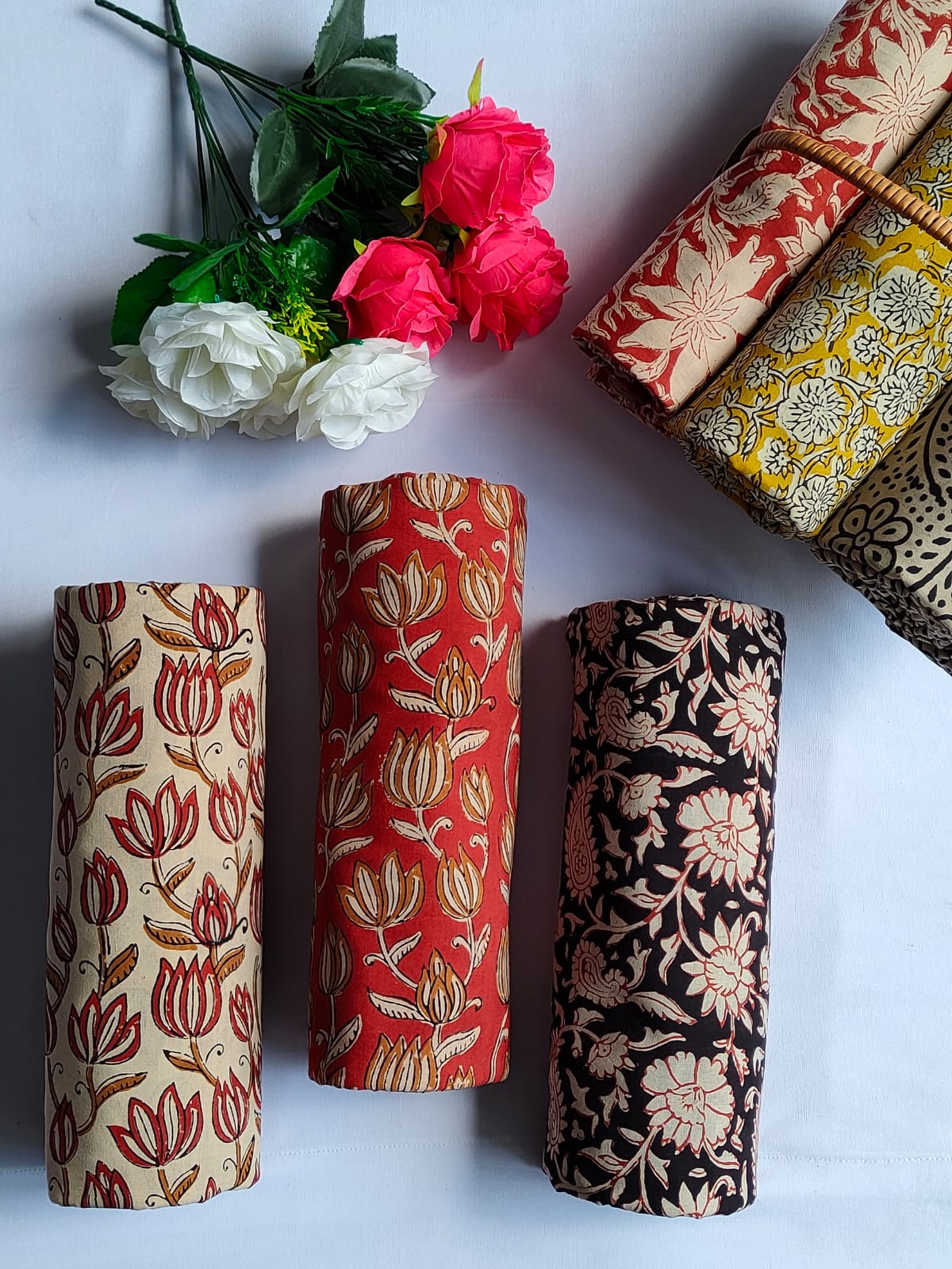


Cotton fabric has remained one of the most popular choices for clothing because of its comfort, versatility, and natural feel. From everyday T-shirts and summer dresses to kurtis, shirts, trousers, and traditional Indian garments, cotton is used to create clothing for people of all ages. Its ability to work across different styles, seasons, and garment types makes it a valuable material for both everyday wardrobes and fashion collections.
For clothing brands, boutique owners, designers, and people who enjoy sewing their own garments, cotton offers several practical advantages. It is available in different weaves, weights, textures, colors, and prints, making it suitable for a wide range of creative projects.
At Jaipur Bazar, you can explore different types of cotton textiles, including plain cotton, printed cotton, cotton cambric, mulmul cotton, hand block prints, Bagru prints, and other traditional Indian fabrics. Understanding the benefits of cotton can help you choose the right material for your next clothing project.
1. Cotton Fabric Is Comfortable to Wear
One of the biggest benefits of cotton fabric is its comfort. Cotton fibers have a naturally soft feel, making cotton clothing suitable for daily use. Depending on the weave and finishing, cotton fabrics can feel smooth, crisp, lightweight, or slightly textured.
Cotton is particularly popular for garments worn directly against the skin, including T-shirts, shirts, dresses, kurtis, nightwear, and children's clothing.
Unlike some fabrics that may feel uncomfortable in warm conditions, lightweight cotton can provide a pleasant wearing experience. The right cotton fabric allows air to circulate through its structure, helping clothing feel less restrictive.
For example, soft cotton mulmul is a popular option for lightweight summer garments, while cotton cambric works well for shirts, dresses, kurtis, and other structured clothing.
2. Cotton Helps Manage Moisture
Cotton is known for its ability to absorb moisture. This characteristic makes it useful for clothing worn during everyday activities, particularly in warm weather.
When the body produces sweat, cotton fibers can absorb some of that moisture. This can help clothing feel more comfortable, although cotton does not always dry as quickly as synthetic moisture-wicking fabrics.
The moisture absorption of cotton makes it a practical choice for:
-
Everyday T-shirts and casual shirts
-
Summer dresses and kurtis
-
Nightwear and loungewear
-
Lightweight trousers and skirts
-
Comfortable children's garments
The fabric's performance also depends on its thickness, weave, fit, and finishing. Lightweight cotton generally feels more suitable for hot weather than a dense, heavy cotton fabric.
3. Cotton Fabric Is Breathable
Breathability is another important reason people choose cotton clothing. Cotton fabrics with open or lightweight constructions allow air to move through the material, helping reduce the feeling of trapped heat.
This is particularly useful in countries such as India, where temperatures can remain high for extended periods. Cotton shirts, kurtis, dresses, and relaxed-fit garments are common choices for everyday summer wear.
Different cotton fabrics provide different levels of breathability. Mulmul cotton is lightweight and airy, while heavier cotton fabrics offer more structure and coverage.
When choosing cotton for summer clothing, consider the fabric weight, weave, and garment design. Loose-fitting garments made from lightweight cotton are often a practical option for warm conditions.
4. Cotton Is Suitable for Sensitive Skin
Many people prefer cotton because it has a soft, familiar feel against the skin. Smooth cotton fabrics with suitable finishing can be comfortable for everyday clothing, including garments worn for long periods.
Cotton is often used for children's clothing, innerwear, sleepwear, and other garments where comfort is especially important.
However, cotton is not automatically hypoallergenic. Skin reactions can sometimes result from dyes, finishing chemicals, detergents, or the texture of a particular fabric. People with sensitive skin may prefer soft fabrics with minimal finishing and should check product details when choosing textiles.
For comfortable clothing, selecting the right cotton quality is just as important as choosing the fiber itself.
5. Cotton Fabric Comes in Many Varieties
Cotton is not limited to one texture or appearance. It is available in numerous fabric constructions, making it suitable for different garment styles and design requirements.
Here are some popular types of cotton fabric used in clothing.
Plain Cotton Fabric
Plain cotton is a versatile option for everyday garments, shirts, dresses, uniforms, and basic apparel. Its simple appearance also makes it useful for embroidery, dyeing, and other customization techniques.
Explore the Plain Cotton Fabrics Collection to discover fabrics suitable for different clothing projects.
Cotton Cambric
Cotton cambric is generally a lightweight, closely woven fabric with a smooth surface. It is commonly used for kurtis, shirts, dresses, tunics, and other garments that benefit from a neat finish.
Browse the Cotton Cambric Fabrics Collection for more options.
Mulmul Cotton
Mulmul is a soft, lightweight cotton fabric known for its airy feel. It is often used for summer clothing, relaxed-fit dresses, lightweight tops, scarves, and comfortable everyday garments.
Discover the Mulmul Cotton Fabrics Collection for lightweight fabric options.
Printed Cotton Fabric
Printed cotton allows designers to introduce color, patterns, and visual detail into clothing. Floral prints, geometric motifs, traditional patterns, and contemporary designs can all be used to create distinctive garments.
Explore the Printed Cotton Fabrics Collection for different design possibilities.
Hand Block Print Cotton
Hand block print cotton fabrics feature patterns created using carved printing blocks. They are particularly popular in Indian ethnic wear, including kurtis, dresses, tunics, and relaxed-fit shirts.
Explore the Hand Block Print Cotton Fabrics Collection for traditional designs.
Bagru and Dabu Print Cotton
Bagru and Dabu are traditional textile-printing styles associated with Rajasthan. These fabrics are valued for their distinctive motifs and handcrafted appearance.
They can be used for contemporary ethnic wear, casual dresses, shirts, tunics, and other garments that combine traditional craftsmanship with modern silhouettes.
Discover the Bagru Print Cotton Fabrics Collection and the Dabu Cotton Fabrics Collection.
6. Cotton Works Well for Different Clothing Styles
Another major advantage of cotton is its versatility. Depending on its weight, weave, and finish, cotton can be used for both casual and more structured clothing.
Common applications include:
-
T-shirts and tops: Lightweight cotton jersey and woven cotton fabrics are used for different styles of tops.
-
Shirts: Cotton poplin, cambric, and other closely woven cotton fabrics are suitable for casual and formal shirts.
-
Dresses: Printed cotton, cambric, and lightweight woven cotton can be used for summer dresses and everyday outfits.
-
Kurtis and tunics: Plain cotton and traditional printed cotton fabrics are popular choices for Indian ethnic wear.
-
Trousers and skirts: Medium-weight cotton fabrics provide structure for many casual clothing designs.
-
Children's clothing: Soft cotton fabrics are widely used for comfortable everyday garments.
-
Sleepwear: Lightweight cotton is commonly chosen for nightwear and loungewear.
For designers, this range of applications makes cotton useful when developing collections that include multiple garment categories.
7. Cotton Is Easy to Customize
Cotton fabric is suitable for several textile and garment customization techniques. Depending on the fabric construction and finishing, it can be printed, dyed, embroidered, stitched into different silhouettes, or embellished with additional details.
This flexibility makes cotton useful for both small creative projects and commercial apparel production.
For example, a plain cotton fabric can be used to create a minimalist shirt, while a printed cotton fabric can form the basis of a statement dress. Embroidery, contrast piping, buttons, and other details can further change the final appearance.
Traditional Indian printing techniques also provide opportunities to create garments with distinctive visual identities. Hand block prints, Bagru prints, Dabu prints, and Sanganeri prints are examples of cotton textile designs that can be incorporated into contemporary fashion.
When selecting fabric for customization, consider the printing method, fabric weight, shrinkage, colorfastness, and intended garment construction.
8. Cotton Can Be Durable With Proper Care
Cotton garments can last for a long time when they are made from suitable-quality fabric and cared for correctly. Their durability depends on several factors, including fiber quality, yarn construction, weave, fabric weight, stitching, and finishing.
Closely woven cotton fabrics may be suitable for garments that receive frequent use, while delicate lightweight cotton requires more careful handling.
To help cotton clothing maintain its appearance:
-
Follow the garment's care label.
-
Wash similar colors together.
-
Avoid unnecessarily high washing temperatures.
-
Use suitable detergents.
-
Avoid excessive heat when ironing.
-
Handle delicate printed or lightweight fabrics carefully.
Cotton can shrink during washing, particularly when it has not been pre-shrunk or when exposed to high temperatures. Pre-washing fabric before cutting and stitching can help reduce unexpected shrinkage in finished garments.
For clothing brands and garment makers, testing fabric before production is a useful way to identify potential shrinkage, color bleeding, or changes in texture.
9. Cotton Is Available in a Wide Range of Colors and Prints
Cotton fabric offers extensive design possibilities because it can be produced in many colors and patterns. From classic white and black to bright yellow, royal blue, green, pink, and earthy brown, there are options for different fashion preferences.
Printed cotton also offers considerable variety. Floral patterns, stripes, geometric motifs, abstract designs, and traditional Indian prints can help clothing brands develop collections with distinct visual styles.
Color selection can influence the overall feel of a garment. Light shades are often used for fresh summer collections, while darker and richer colors can work well for evening wear, festive clothing, and seasonal designs.
For designers, boutiques, and home sewers, having access to a broad range of cotton colors and prints makes it easier to create coordinated collections or experiment with different garment styles.
10. Cotton Is Suitable for Everyday and Seasonal Clothing
Cotton can be used throughout the year when the fabric type is matched to the weather and garment design.
Lightweight cotton is often preferred for summer clothing because it allows airflow and absorbs moisture. Medium-weight cotton can be suitable for everyday shirts, dresses, and trousers, while heavier cotton fabrics can be used for structured garments and selected cooler-weather styles.
Cotton also works well in layered outfits. A cotton shirt, for example, can be worn alone in warm weather or layered under a jacket when temperatures drop.
The important point is to choose the right construction rather than assuming every cotton fabric will perform in the same way. Fabric weight, weave, fit, and finishing all affect comfort and suitability.
11. Cotton Offers Flexibility for Clothing Businesses
Cotton is a useful material for clothing businesses because it supports a broad range of products and design directions. A brand can work with plain cotton for basic garments, printed cotton for seasonal collections, and traditional Indian prints for a more distinctive product range.
This variety can help businesses develop different product categories without limiting themselves to a single visual style.
Boutique owners may choose printed cotton for dresses and kurtis, while garment manufacturers may prefer specific cotton constructions suited to shirts, uniforms, or casual apparel. Independent designers can select lightweight or medium-weight cotton depending on the intended silhouette.
Before placing a large fabric order, businesses should evaluate fabric specifications, usable width, color consistency, shrinkage, print quality, and the quantity available. Requesting a sample can help confirm that the material suits the planned garment.
Jaipur Bazar offers a range of cotton textile collections for buyers exploring different colors, prints, and fabric types for clothing projects.
12. Cotton Can Be a Practical Choice for Long-Term Wardrobe Use
Well-made cotton garments can remain useful wardrobe staples because they are comfortable, adaptable, and easy to style. A cotton shirt can be paired with jeans, trousers, or skirts, while a printed cotton kurti can be worn with leggings, trousers, or other everyday separates.
Neutral cotton fabrics are especially useful for basic garments that work with multiple outfits. Printed and colorful cotton fabrics, on the other hand, can add variety to a wardrobe without requiring complicated styling.
The lifespan of a garment still depends on how it is made and maintained. Quality stitching, appropriate fabric selection, and correct washing practices all contribute to how well clothing holds up over time.
13. Cotton Has Important Environmental Considerations
Cotton is a natural plant-based fiber, but its environmental impact depends on how it is grown, processed, dyed, manufactured, transported, and eventually discarded.
Cotton cultivation can require significant water and agricultural inputs, depending on the growing region and farming practices. Textile dyeing and finishing can also have environmental impacts.
Choosing durable garments, washing clothing responsibly, repairing items when possible, and using garments for longer can help reduce unnecessary textile waste.
Buyers interested in environmental considerations should look for credible information about fiber sourcing, manufacturing practices, and any relevant certifications rather than assuming that every cotton fabric is automatically sustainable.
How to Choose the Right Cotton Fabric for Clothing
Before purchasing cotton fabric, consider the following factors to make a suitable choice for your project.
Fabric Weight
Lightweight cotton is useful for summer tops, dresses, and relaxed garments. Medium-weight cotton is suitable for many shirts, kurtis, and everyday clothing, while heavier options may work better for structured designs.
Weave and Texture
The weave affects the fabric's appearance, drape, breathability, and feel. Smooth cambric, airy mulmul, and more structured woven cotton fabrics serve different purposes.
Color and Print
Choose colors and patterns according to your intended garment and customer preferences. Plain cotton is useful for simple designs and customization, while printed cotton provides ready-made visual detail.
Shrinkage and Colorfastness
Check whether the fabric has been pre-shrunk and whether its dyes are likely to bleed during washing. Testing a sample is especially useful before cutting fabric for multiple garments.
Intended Garment
A fabric that works well for a loose summer dress may not provide enough structure for a tailored shirt or fitted garment. Match the fabric's characteristics to the design.
Fabric Availability
For commercial production, confirm the available quantity, usable width, repeat pattern where applicable, and consistency between fabric lots before committing to an order.
Conclusion
Cotton fabric remains a popular choice for clothing because it combines comfort, moisture absorption, breathability, versatility, and a wide range of design possibilities. It can be used for everyday shirts, summer dresses, kurtis, tunics, children's clothing, nightwear, and many other garments.
Its suitability depends on the type of cotton, fabric construction, finishing, and intended use. Choosing the right weight, weave, color, and print can make a significant difference to the comfort and appearance of the finished garment.
Whether you are selecting fabric for personal sewing projects, a boutique collection, or a clothing brand, understanding these characteristics can help you make better purchasing decisions.
Explore the cotton collections at Jaipur Bazar to discover plain cotton, printed cotton, cotton cambric, mulmul, and traditional Indian print fabrics for your next clothing project.